


Quick answer
For a private Beijing tour covering the Forbidden City and Great Wall, allow two days rather than compressing both into one rushed circuit. Reserve the Palace Museum as soon as its official seven-day booking window opens, then choose Mutianyu for easier access or Jinshanling for a longer, more demanding wall day.
- Forbidden City: the Palace Museum does not sell same-day tickets; real-name reservations use the visitor's original passport or eligible ID.
- Great Wall: Mutianyu is the practical first-time choice; Jinshanling suits stronger walkers who prioritize a longer hiking day.
- Crowds: an early, well-sequenced private plan can reduce peak congestion, but no operator can guarantee an empty landmark or priority access.
- Pricing: compare a route- and date-specific quote covering guide, vehicle, tickets, hotel tier, inclusions, payment timing, and cancellation terms.
Reviewed 4 August 2026. Check the official Palace Museum ticket rules, official Mutianyu visitor information, or browse ChinaTourly Beijing journeys.
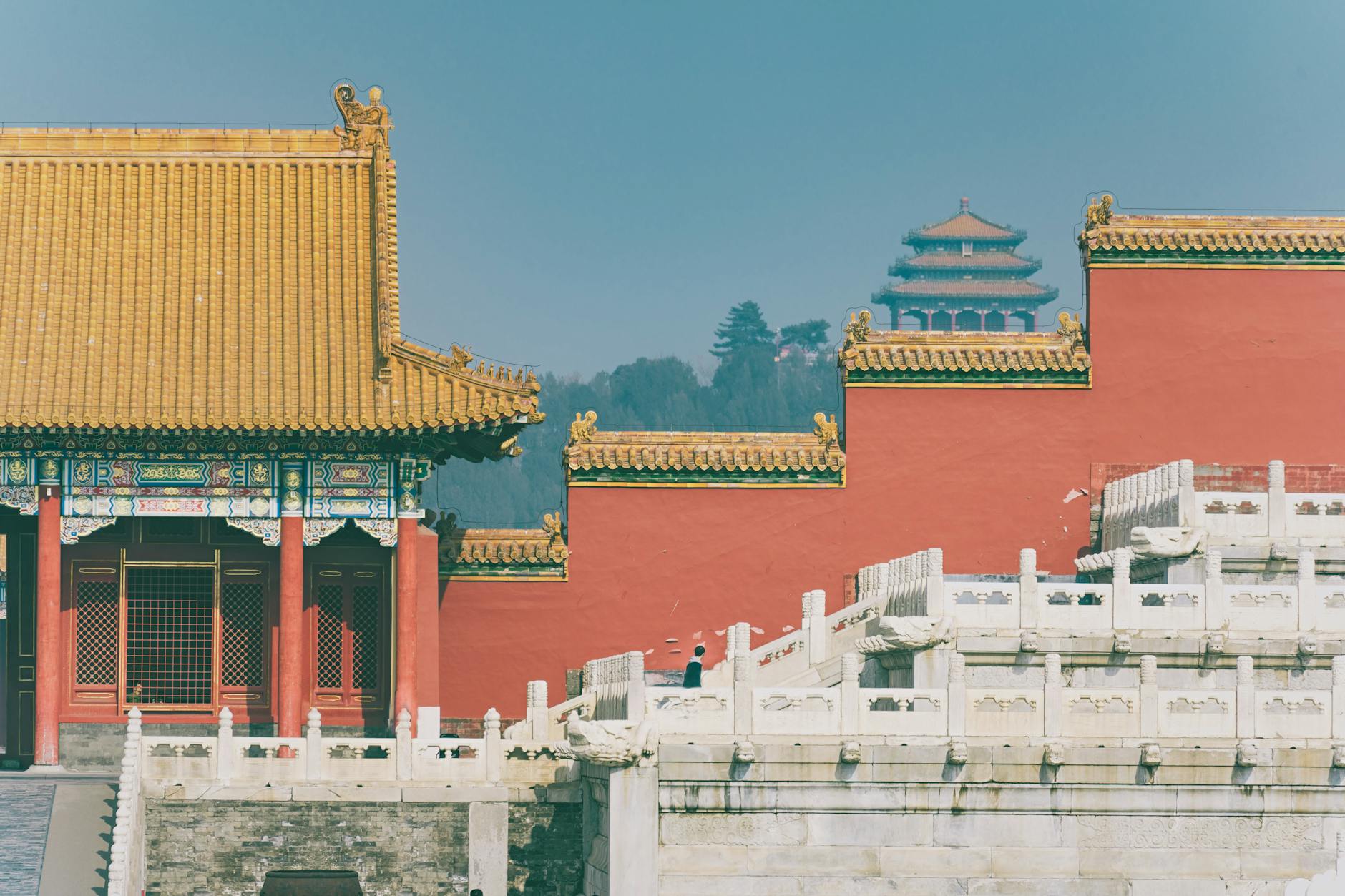
A strong private Beijing plan uses two days strategically. On the Forbidden City day, enter through Meridian Gate with the original passport or ID used for the reservation and allow time for Tiananmen-area security. On the Great Wall day, leave early and select the section by accessibility and hiking preference instead of forcing both landmarks into one rushed checklist circuit.
The value of a private plan is control over timing, pace, transport, and what you spend time interpreting. It can reduce avoidable queues and detours, but it does not create special admission rights or a crowd-free guarantee.
This guide covers which sights to include, how many days you need, when to visit, where to stay, and how to structure a Beijing itinerary. Browse ChinaTourly's Beijing journeys or ask for a date-specific plan.
What a Private Beijing Tour Actually Looks Like (Versus a Group Tour)
The practical difference between a private Beijing tour and a group bus tour is not just about exclusivity. It is about what you can physically do - and what you cannot.
On a standard group tour to the Forbidden City, your guide holds up a numbered paddle and you wear a headphone receiver. You move with the group's momentum, stop when the group stops, and leave when the coach schedule requires. You cannot linger in the Hall of Clocks, double-back to the Treasure Gallery, or spend an extra 20 minutes in the imperial garden because someone in the group is getting tired.
On a private tour, every decision is yours. Your guide adjusts in real time. If you are an architect and you want to spend 40 minutes examining the bracket-system construction details in the carpentry of the Hall of Literary Glory - that is what happens. If you want to skip the standard route entirely and see only the less-visited western palaces where the imperial concubines lived - your guide knows exactly how to do that and will explain every room as if he has been inside 200 times (because he has).
The specific advantages that consistently matter to ChinaTourly clients on their post-trip feedback:
- Flexible timing: early morning entry, midday retreat during peak heat, return to sites at different light
- Custom pacing: spend 10 minutes on things you do not care about; spend 2 hours on things you do
- Real-time decisions: weather changed? Route changes with it. Unexpected market? You stop.
- Access: some restricted areas within Palace Museum, certain hutong courtyards, and specific restaurant tables require a guide relationship - not just a ticket
- Language confidence: your guide handles every conversation, including emergencies, dietary negotiations, and transport complications

Beijing's Major Sights - Done in a Way That Respects Your Time
The Forbidden City (Palace Museum)
The Forbidden City - officially the Palace Museum (G?gong B?w?yu?n) - was built between 1406 and 1420 during the reign of the Yongle Emperor. It served as the imperial palace for 24 emperors across the Ming and Qing dynasties, functioning as both the political center of China and the private residence of the imperial family until 1912. The complex measures 961 meters north-to-south and 753 meters east-to-west, with 980 surviving buildings.
Tickets must be purchased online in advance at the Palace Museum's official booking system. Standard tickets are ?60 RMB per person (roughly $8 USD); certain special exhibitions within the complex require separate add-on tickets at ?10-?20 each. Walk-in purchase at the gate has not been possible since 2021. The system releases tickets daily at midnight Beijing time; the two peak periods - Golden Week (October 1-7) and Spring Festival (Chinese New Year, late January or early February) - sell out 3-4 weeks in advance.
The standard tourist route runs south-to-north through the central axis in roughly 2.5 hours. Your private guide reshapes this depending on your interests. The overlooked areas that most group tourists walk past:
- The western side palaces (Ci Ning Palace complex) - where Empress Dowager Cixi lived; deeply human stories in every room
- The Treasure Gallery (Zhen Bao Guan) - imperial jewelry and ceremonial objects; separate ticket required but almost always worth it
- The Hall of Clocks and Watches - an unexpected collection of European and Chinese mechanical timepieces presented as tribute gifts
- The imperial garden (Yu Hua Yuan) - 10 minutes from the north gate, almost empty by 11 AM when you are exiting as groups are entering
The Great Wall: Choosing the Right Section
There is no single "Great Wall of Beijing." There are five accessible sections within a reasonable day-trip distance from the city center, and the difference between them is significant enough to matter to your trip. Our full Great Wall comparison guide covers every section in detail. Here is the short version:
- Mutianyu (1.5 hours from central Beijing): The best choice for most visitors - well-restored, cable car available (important for those with mobility limitations or young children), spectacular views, manageable crowds on weekdays. Summer weekends can be busy; arrive at 9 AM.
- Badaling (1.5 hours): The most famous, the most-photographed, and the most crowded. Over 10 million visitors per year. Not recommended for private tours; no meaningful difference between arriving with a private guide versus arriving on your own. The crowd diminishes the experience.
- Jinshanling (2.5 hours): The photographer's choice. Partially unrestored towers give it a rawer, more atmospheric quality. Fewer visitors, longer walk between towers, genuine sense of remoteness. The right section if you have a full free day and want the Great Wall to feel like a discovery rather than a tourist attraction.
- Simatai (3 hours): Night tours available (partnered with Gubei Water Town resort). If your Beijing itinerary includes at least 5 days, Simatai at dusk followed by dinner at the water town is a genuinely rare experience.
- Gubeikou: Off-piste. Unrestored and unremarkable in terms of scenic drama, but historically significant as a military fortress and rarely visited. For those who specifically want to experience the Wall without other tourists present.
Temple of Heaven (Tian T?n)
The Temple of Heaven complex - built between 1402 and 1420, the same construction period as the Forbidden City - served as the site where the emperor performed annual sacrificial ceremonies to ensure a good harvest. The central structure, the Hall of Prayer for Good Harvests (Q? Ni?n Di?n), is one of the most photographically iconic structures in China: a triple-gabled circular building on a white marble terrace, with no nails holding the wooden structure together.
Most tourists see the main hall and leave. The broader park complex - 270 hectares - is where you find something more interesting: every morning at 7-9 AM, the outer park fills with Beijing residents doing tai chi, ballroom dancing, playing erhu, rehearsing Beijing Opera arias. For a private tour, this is the segment worth scheduling. The park opens at 6 AM; arrive before 8 for the full scene.
Summer Palace (Y?h? Yu?n)
The Summer Palace covers 720 acres, of which approximately 70% is Kunming Lake. The main structures - the Long Corridor (728 meters of painted walkway), the Marble Boat, the Tower of Buddhist Incense - are on the northern shore. The southern shore of the lake has almost no visitors. On a clear autumn afternoon, the light on the hill is exceptional and the walk around the lake's less-visited paths is as close to a contemplative experience as Beijing offers.
The Palace is a 30-minute drive northwest of the city center. For accommodation, the Aman at Summer Palace - occupying restored imperial guesthouse buildings at the east entrance - is the most atmospheric luxury option in Beijing. It is worth noting that staying there does not give you private access to the Palace itself, but waking up at the gate and walking in at 7:30 AM before the tour coaches arrive is a meaningful privilege.
Beijing Beyond the Checklist: For Returning Visitors and the Curious
If this is your second or third trip to Beijing, or if the major sites feel less compelling than understanding how the city actually works, these are the areas worth spending time in.
Hutong neighborhoods: the real ones
Nanluoguxiang is Beijing's most famous hutong - and the most touristified. On summer weekends it is impassable. If you want to understand what hutong life actually looks like, your guide should be taking you to Wudaoying Hutong (slightly quieter, better coffee and food) or Baochao Hutong and the surrounding lanes near the Drum Tower, where the scale of the alleyways, the courtyard house architecture, and the daily rhythms of neighborhood life are still largely intact.
A private hutong experience through ChinaTourly typically includes a courtyard house visit through a community host - not a performance, but an actual resident - and a lunch made from market ingredients. This is the kind of access that requires a local relationship. It is not bookable on Airbnb Experiences.
798 Art District
798 is China's most significant contemporary art cluster, occupying a former Soviet-era electronics factory complex in the northeast of the city. It is worth half a day for anyone interested in contemporary Chinese art, not as a tourist attraction, but as a genuinely active cultural environment with studios, galleries, and installations that change seasonally. Your guide should be able to identify which galleries are showing meaningful work during your visit rather than routing you to the most Instagram-friendly installations.
Beijing food: what to actually eat
Peking duck is real and worth eating - but where matters significantly. Da Dong (multiple locations, the Tuanjiehu original is the most serious) serves what many critics consider the best version in the city: a thinner skin, less fat, and a presentation that has influenced roast duck preparation across China. Reserve well in advance - 3 days minimum for dinner.
Beyond duck: the hutong restaurants your guide knows are categorically more interesting than any restaurant on TripAdvisor's Beijing top-10. One specific recommendation from ChinaTourly's Beijing team: a hand-made noodle shop in Xicheng district, 8 minutes walk from Beihai Park, where the family has been making the same noodles since 1972. No English sign. ?30 per bowl. Exactly the kind of meal that justifies having a local guide. See our China food tour guide for the full picture of eating privately across China's regions.
How Many Days Do You Need in Beijing?
The honest minimum for a first visit to Beijing is 4 full days. Here is what each day can realistically cover on a private itinerary:
- Day 1: Forbidden City (full morning, 8:30-12:00) + Tiananmen Square (20 minutes, exterior overview) + hutong lunch + afternoon in the hutong lanes near the Drum Tower
- Day 2: Great Wall day trip (6 hours return travel + wall time; Mutianyu recommended) + evening at leisure near Sanlitun
- Day 3: Temple of Heaven (morning) + Summer Palace (afternoon) + Peking duck dinner
- Day 4: 798 Art District (morning) + National Museum of China or Beijing Capital Museum (afternoon) + flight out or travel to next destination
5 days allows you to add a hutong cooking class, Simatai night tour, or a half-day at the Beijing Opera. 6-7 days starts to allow for Chengde (UNESCO imperial summer retreat, 4 hours by train) or a Kung Fu temple day trip.
If you have only 2 days in Beijing as part of a wider China itinerary, prioritize the Forbidden City and one Great Wall section. Skip the Summer Palace; it deserves more time than a quick pass.
When to Visit Beijing: An Honest Month-by-Month View
September and October are Beijing's best months for most visitors. After the July-August humidity breaks, the city sees clear blue skies, temperatures of 15-22?C, and the autumn colors in the hutong courtyard gardens. The trade-off: Golden Week (October 1-7) brings domestic Chinese tourism to its annual peak. The Forbidden City during Golden Week is physically uncomfortable - up to 80,000 visitors on peak days. If visiting in October, avoid October 1-7 or book the absolute earliest entry slot and leave before 10 AM.
April and May: Beijing's spring is beautiful when it arrives - the magnolias and cherry trees in the imperial gardens bloom in April - but the city is subject to seasonal dust and sandstorms blowing in from Inner Mongolia, typically in March and April. A sandstorm day in Beijing is a genuinely difficult experience; it is not a reason to avoid the season, but factor it into expectations.
November through February: Cold (Beijing winters reach -10?C on the coldest nights) but with the clearest skies of the year and significantly fewer tourists. The Forbidden City walls in December snow is one of the most memorable visual experiences in the city. A winter visit requires good cold-weather clothing; all major sites remain open year-round.
June through August: Hot (35?C+), humid, and peak domestic tourism season. Workable if you time outdoor activities to early morning and late afternoon. Not recommended as a first choice unless your schedule requires it.
Where to Stay in Beijing for a Private Tour
Accommodation decisions in Beijing significantly affect how your tour days flow - both the quality of rest and the practical logistics of getting to sites on time.
- For proximity to the Forbidden City and hutong neighborhoods: The Peninsula Beijing (Wangfujing) and boutique hotels within the second ring road give you a 10-20 minute drive to major sites.
- For the most atmospheric experience: Aman at Summer Palace - 50 minutes from Tiananmen but the only hotel in Beijing where you wake up and walk directly into an imperial garden. Worth the commute if Summer Palace is a priority.
- The Opposite House (Sanlitun): Contemporary, excellent food and bar scene, 20 minutes from most sites. Better for clients who want Beijing's modern creative scene as part of the stay.
- For courtyard house experience: Boutique courtyard hotels (siheyuan) in the hutong lanes near the Drum Tower offer the most distinctly Beijing residential experience. Quality varies significantly; ChinaTourly can recommend specific properties based on your dates and group size.
Experience Note ? Recorded by He, Beijing Destination Lead ? Beijing, October 2025
A retired couple from Edinburgh - both architecture historians - arrived on October 8th, the day after Golden Week ended. The city had emptied overnight. We spent the first morning in the Forbidden City walking the western palace quarter, specifically the Ci Ning Palace complex. The wife had written her doctoral thesis on Qing court interiors. She stood in the Ci Ning Palace main hall for about 25 minutes not saying anything, just looking at the ceiling bracket work. Her husband told me afterward it was the only moment in 40 years of travel that she had been fully speechless. They booked another Beijing visit for the following spring before they had even left China. The lesson I keep returning to: the right site, at the right time, with the right context, consistently produces moments like this. The checklist approach simply cannot.
Planning Your Private Beijing Tour with ChinaTourly
Every ChinaTourly Beijing itinerary includes an English-speaking dedicated private guide (not shared with other groups), private vehicle and driver, advance ticket reservation for all sites, and pre-departure planning support for visa, payments, and connectivity. Our standard Beijing packages run 5-6 days; shorter visits of 3-4 days are possible on request.
Before your Beijing trip, two practical preparations make a meaningful difference: setting up Alipay for mobile payments (essential for any food market or street experience), and confirming your visa status for China - our China visa requirements guide covers every nationality's current situation including the 240-hour transit option.
Beijing is most commonly combined with Xi'an (2.5-hour high-speed train, Terracotta Warriors, Silk Road departure point) or Shanghai (5-hour bullet train, dramatic shift from imperial to contemporary China). Our China high-speed rail guide covers the inter-city logistics in detail. For the full-scope China journey - Beijing, Xi'an, Yunnan, and beyond - our luxury China travel overview outlines how a multi-city private itinerary is typically structured.
Frequently Asked Questions: Beijing Private Tours
How much does a private tour of Beijing cost?
There is no reliable fixed article price for a private Beijing tour. The current quote depends on dates, party size, hotel tier, vehicle, guide language, ticket availability, and inclusions. Compare the full route value, what is due today, balance timing, and cancellation terms before paying.
Do I need to book Forbidden City tickets in advance?
Yes. The Palace Museum's official rules say it does not sell same-day tickets; reservations open at 20:00 seven days before the visit and require the original passport or eligible ID used for booking. Availability can sell out, especially around public holidays, so check the official system as soon as the booking window opens.
Which Great Wall section is best for a private tour from Beijing?
Mutianyu is the best choice for most first-time visitors: well-preserved, cable car available, manageable crowds on weekdays, 1.5 hours from the city. Jinshanling is the choice for photographers and those wanting a less-visited, partially unrestored experience (2.5 hours each way). Avoid Badaling for private tours - its 10 million+ annual visitors make the private guide advantage nearly impossible to realize.
How many days should I spend in Beijing?
Four full days cover the essential sites (Forbidden City, Great Wall, Temple of Heaven, Summer Palace) without rushing. Five to six days allows you to add hutong neighborhoods in depth, the 798 Art District, and evening experiences like Peking Opera or a cooking class. A 3-day Beijing visit is possible but feels tight for a first-time visitor.
What is the best time to visit Beijing?
September and October offer the best combination of weather (15-22?C, clear skies) and manageable crowd levels outside of the Golden Week holiday (October 1-7). April and May are also beautiful but subject to seasonal dust storms. Winter (November-February) has Beijing's clearest air and fewest tourists at the cost of cold temperatures, which can reach -10?C.
Is Beijing safe for international tourists?
Beijing is generally safe for international visitors. Petty theft exists around major tourist sites - keep your passport and phone in inside pockets in crowded areas like Tiananmen Square. The city's public infrastructure (metro, taxis, hospitals) is highly functional. Language is the main practical challenge; having an English-speaking guide or translation app on your phone resolves most situations. See our China safety guide for a full breakdown.
Can I visit Beijing without a China visa?
Travelers from 54+ countries now qualify for visa-free entry to China for up to 15 days under bilateral agreements. US and Canadian citizens do not qualify for the bilateral visa-free arrangement but can use China's 240-hour transit exemption if their itinerary includes a genuine third-country onward leg. For most itineraries, a tourist L-visa is required. See our China visa requirements guide for your specific nationality.
What should I eat in Beijing beyond Peking duck?
Da Dong is the restaurant most serious food travelers use for Peking duck - thinner skin, better technique than the tourist-facing chains, and reservations are essential. Beyond duck: jianbing (a street crepe served from mobile griddles at 7 AM), lamb hotpot in the hutong lanes around Niujie (Beijing's historic Muslim quarter), hand-pulled noodles from family shops in Xicheng district, and the full-fermented doubanjiang-braised dishes at any serious Shandong restaurant. Your private guide can navigate all of this.
Your Beijing. No groups. No paddle signs.
ChinaTourly's private Beijing tours are built around your specific interests - architectural history, food culture, photography, or simply the experience of the Forbidden City before the coaches arrive. The guide, vehicle, tickets, inclusions, and operating details are confirmed for your dates in writing.
Start Planning your Beijing itinerary ? Explore full China journeys
Sources & Further Reading
- Palace Museum official ticket rules
- UNESCO — Imperial Palaces of the Ming and Qing Dynasties
- Mutianyu Great Wall official visitor information
About ChinaTourly
ChinaTourly builds private China journeys for English-speaking travelers. The route, guide and driver arrangements, inclusions, payment schedule, cancellation terms, and any specialist experiences are confirmed in the written proposal for your dates.
See the relevant journey page for its current format and payment options. Start a conversation with our team.


