Why Shanghai rewards travellers who read architecture
The Bund's 52 buildings span Gothic, Baroque, Neoclassical, and Art Deco — built during Shanghai's treaty-port heyday in the early 20th century. The Former French Concession's plane trees were planted between 1902 and 1920. The longtang residential alleyways still operate as living neighbourhoods. Three layers of architectural history in one walkable city.
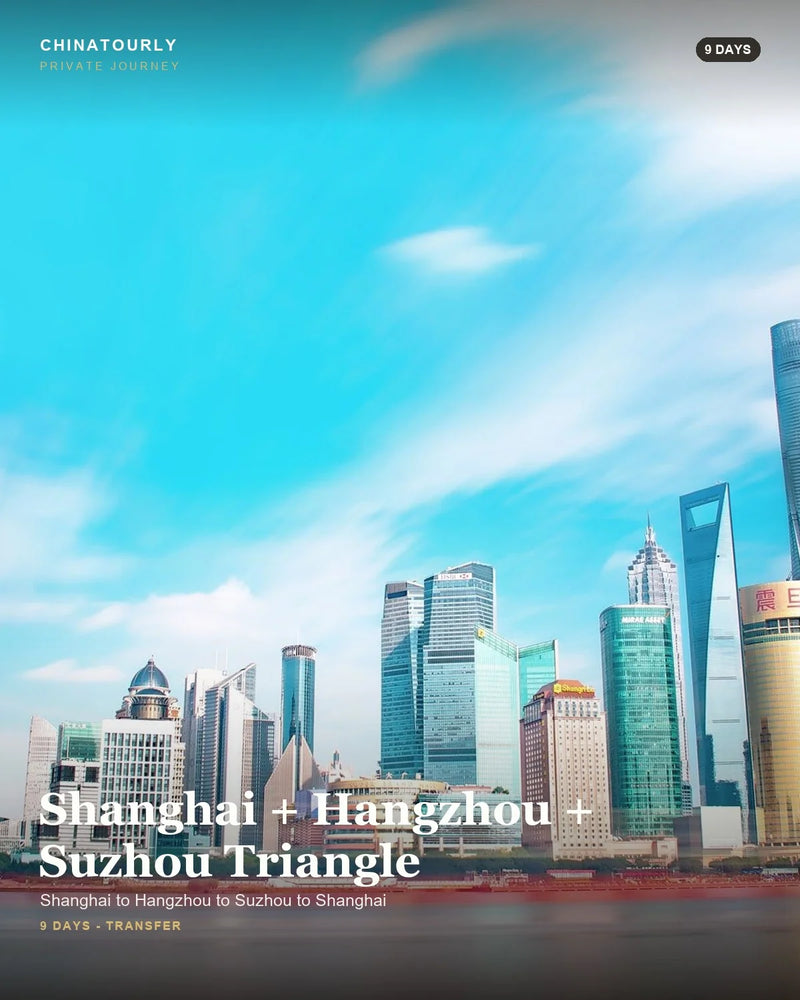
The Bund is spectacular at any hour, but the magic peaks at dusk — arrive by 5:30 PM and watch the colonial waterfront light up as the Pudong towers across the river catch the last sun. The morning version (07:45 arrival before tour boats start) gives you the empty promenade and the soft east-facing light on the colonial facades. Both windows are worth scheduling separately.
The Former French Concession (Xuhui + Jing'an districts) covers 15 km² of plane-tree-lined avenues. Boutique hotels are concentrated here, set in restored heritage buildings surrounded by the city's best cafés and restaurants. The Wukang Mansion (1924 French Renaissance crescent) is Shanghai's most photographed building. Walk the longtang alleyways behind Huaihai Road between 08:30 and 10:00 when residents are out doing their morning routine.
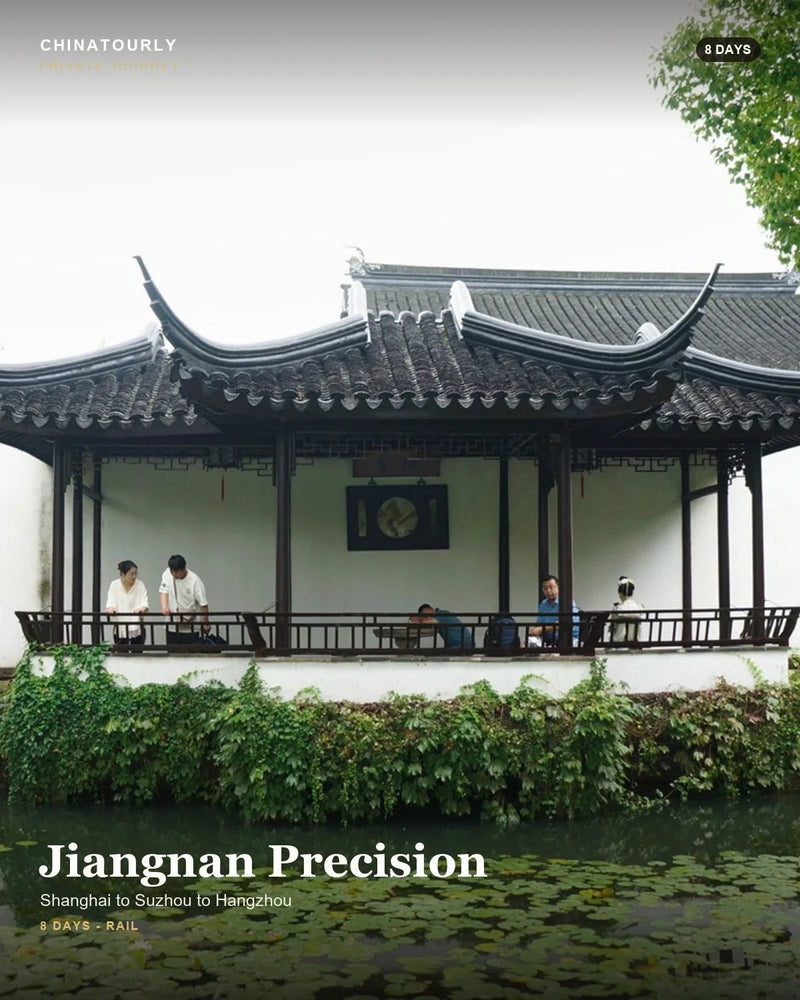
Yu Garden (Yuyuan, 1559-1577) is the Ming Dynasty classical garden in the Old Town. Pre-public entry at 09:00 beats the day-tour crowds that arrive at 11:00. The Yuyuan Bazaar surrounding the garden is the original commercial district of pre-colonial Shanghai.
Hongkou's Jewish heritage — the Ohel Moshe Synagogue (1927) and the Designated Area where 20,000 Jewish refugees lived 1938-1945 — is one of the city's least-visited but most affecting half-day walks. We pair it with a French Concession afternoon for the cultural-geographic contrast.
Three layers of architectural history in one walkable city — colonial Bund, French Concession longtangs, contemporary Pudong skyline.