Three reasons winter China travel actually works
Winter has a bad reputation for China travel. Three specific phenomena disprove it: the Yuanyang flooded rice terraces (mirror-surface visible only November-April), the Harbin International Ice and Snow Festival (the world's largest ice festival, expanding to 1.2 million m² in 2026), and the Beijing imperial sites without crowds (cold but functional, with off-season hotel pricing).
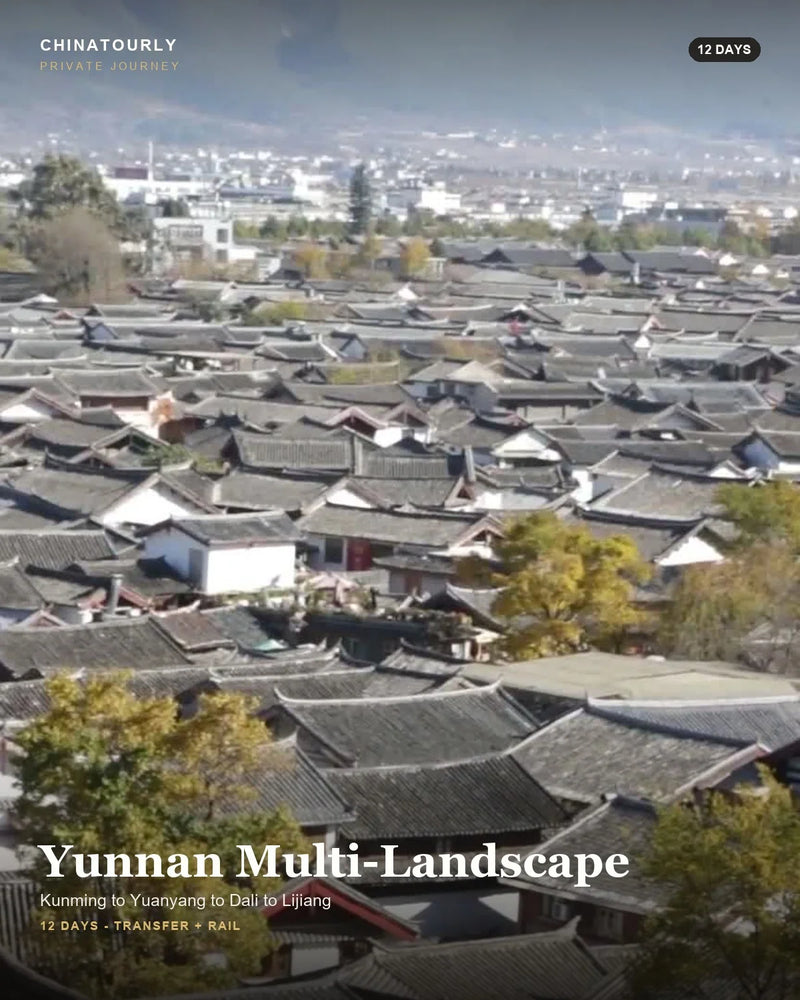
Yuanyang flooded terraces: Winter is the only window when every piece of the 17,000-hectare terrace field is filled with water. The reflective mirror surface changes colours dramatically at sunrise — golden, orange, pink, rose, red, purple, blue — depending on light angle. January is one of the best photographic months. Combine with Jianshui ancient town for evening rhythm.
Harbin International Ice and Snow Festival opens January 5, 2026 and runs through late February. Three venues each covering over 1 million m². Harbin Ice and Snow World expanded from 1 million to 1.2 million m² for 2026. The festival is a city-wide winter celebration transforming Harbin into a spectacular world of ice and snow.
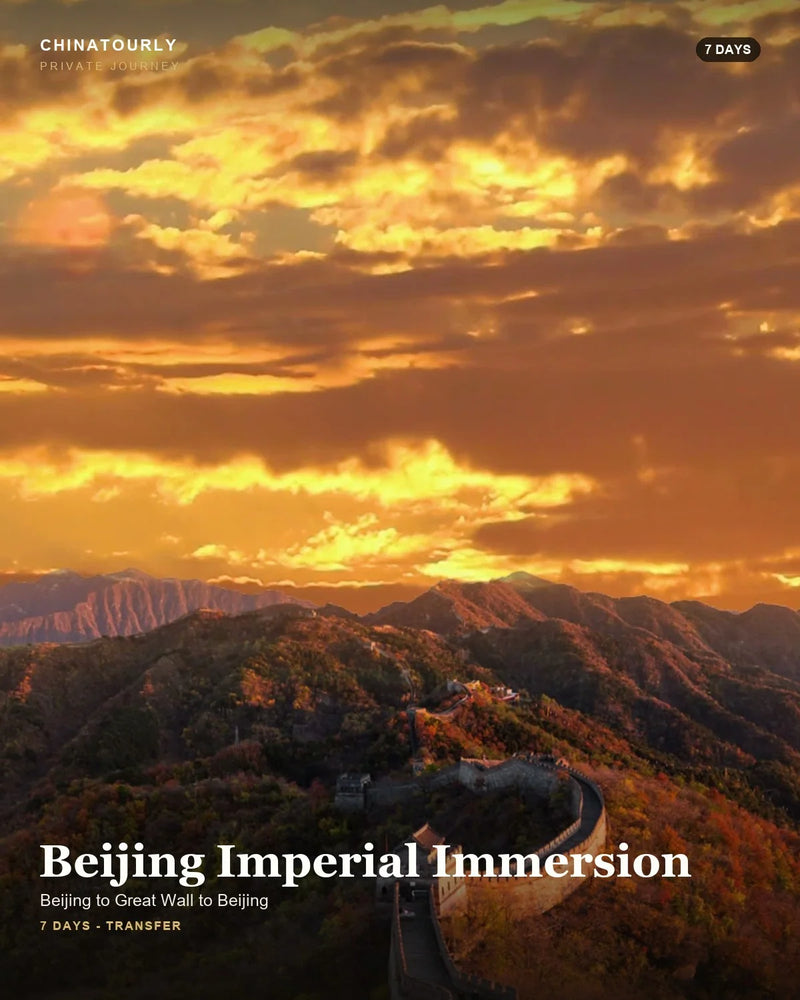
Beijing in off-season: Forbidden City, Mutianyu Great Wall, Temple of Heaven — all accessible with minimal crowds in December-February. Trade-off is genuine cold (-5 to 5°C) and occasional air quality issues from atmospheric inversion. Hotel pricing 30-40% below October peak.
Avoid: Chinese New Year (late January or February) — mass internal migration, restaurants close, transport disruption for 7-14 days. The exact CNY date varies by lunar calendar; check the specific year before booking.
Yuanyang flooded terraces (winter-only window), Harbin Ice Festival (Jan 5 opening), Beijing off-season — three winter phenomena worth specific timing.