Three opera traditions worth seeing in person
Kunqu is the oldest and most refined. Peking Opera is the most internationally recognised. Sichuan opera is the most theatrically extreme. Each is on the national ICH list; two are on UNESCO's Representative List. All are accessible through structured 90-minute performances at named venues.
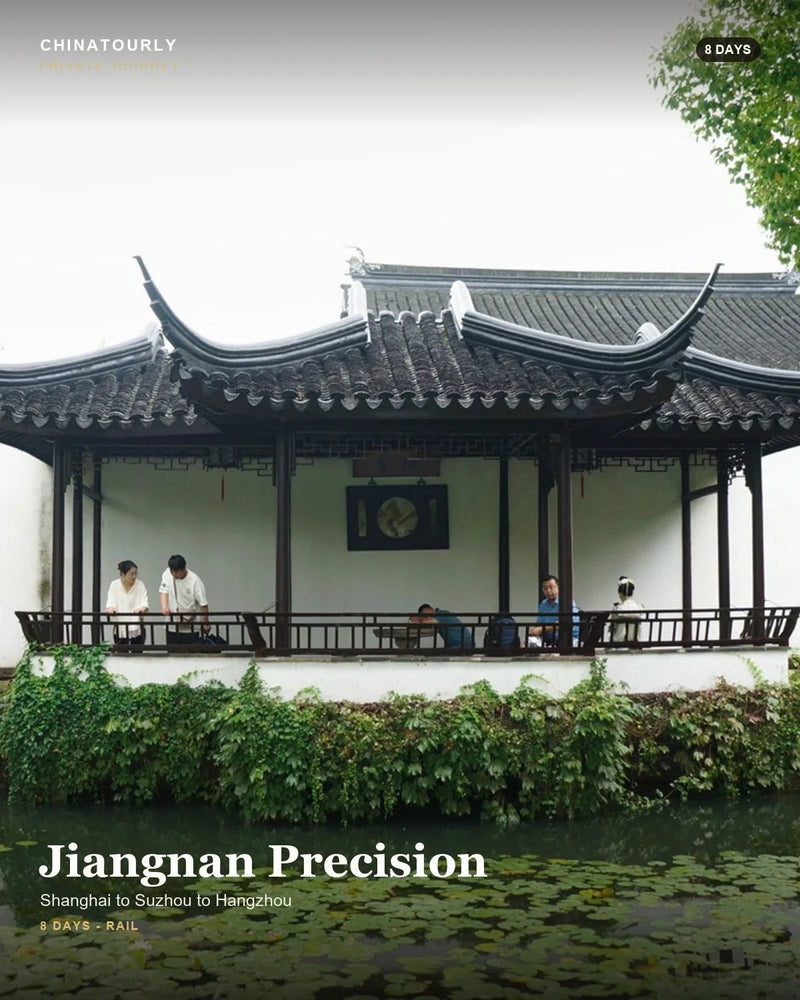
Kunqu Opera originated in Kunshan (Suzhou suburbs) in the 14th century. Proclaimed a Masterpiece of Oral and Intangible Heritage by UNESCO in 2001 and inscribed on the Representative List in 2008. It is the foundation of Peking Opera and most subsequent Chinese opera forms. Pu Yi, Mei Lanfang, and almost every major Chinese opera artist trained on Kunqu first. The Suzhou Kunqu Theatre runs nightly performances; pair with a daytime Suzhou garden visit.
Peking Opera was approved for the first batch of national ICH in May 2006 and inscribed on the UNESCO Representative List in 2010. Mei Lanfang (1894-1961), perhaps the greatest Dan (female-role) performer of all time, was also one of the greatest popularisers of Peking opera abroad — Japan in the 1920s, USA in 1930. The Mei Lanfang performance system is considered one of the three major performance systems in the world.
Sichuan opera's face-changing (bian lian) is the most theatrically dramatic — performers change masks in a fraction of a second using techniques kept secret for centuries. Shufeng Yayun in Chengdu runs nightly performances combining face-changing with hand-shadow puppetry and tea ceremony.
Kunqu (2008), Peking Opera (2010), Sichuan opera face-changing — three traditions on the UNESCO and national ICH lists.