
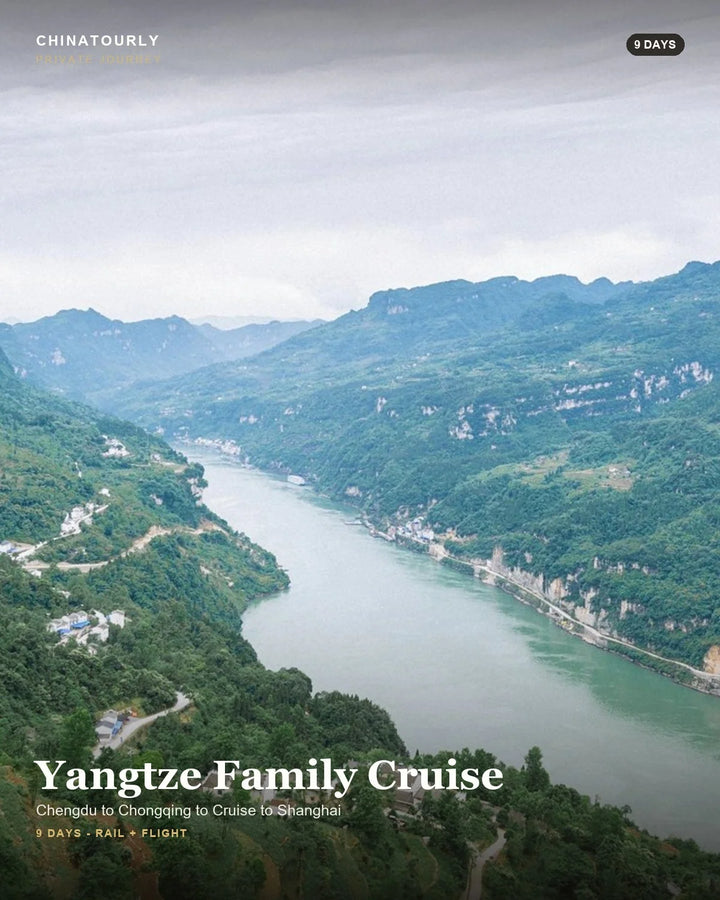
Yangtze Family Cruise
Chengdu · Chongqing · Shanghai — 9 days.
Private planning active for
Journey Name
Practical guide for Muslim travelers and vegetarians navigating Chinese cuisine.
Eating comfortably starts with explaining exactly what you can and cannot eat. Halal, vegetarian, vegan and allergy requirements are different, and a dish that looks suitable may still contain stock, fat, sauce or a garnish you avoid. Plan around specific ingredients and preparation practices, not just a restaurant's name or a photograph on its menu.
Ask about halal standards that matter to you, including meat sourcing, alcohol in cooking and shared preparation equipment. A restaurant serving a particular regional or Muslim community's cuisine should not be treated as a substitute for confirmation of its actual practices. If you require certification, request details and decide whether they meet your own requirements before ordering.
Look ahead at the places where you will spend a full day, particularly on remote drives or when arriving late. Confirm the next suitable meal rather than assuming there will be an appropriate restaurant near every attraction. Keep a simple alternative available for delays. Where answers are uncertain, choose another option instead of relying on reassurance that does not address the ingredients or preparation.
Specify whether you avoid meat only, or also fish, seafood, eggs, dairy and other animal ingredients. Vegetable dishes may be cooked with meat stock, lard, oyster sauce, fish sauce or dried shrimp, and tofu can be served with minced meat. Check the dish rather than assuming its main ingredient tells the whole story.
Ask about dumpling fillings, noodle broth, fried-rice ingredients and garnishes before ordering. A dedicated vegetarian restaurant may make choosing easier, but vegan or allergy needs still deserve separate confirmation. Shared pans and utensils can matter for strict requirements. If cross-contact would create a medical risk, carry a clear explanation and seek advice from your clinician about how to manage that risk while travelling; a dietary preference card alone is not a safety guarantee.
Prepare a short translated food card that lists the ingredients you avoid, whether shared equipment is acceptable and whether the restriction is an allergy. Have the wording checked by someone fluent, keep a copy offline and show it before placing an order. A list of concrete ingredients is more useful than a label that the staff may interpret differently.
Ask staff to read the card and confirm the specific dish, sauce and cooking fat. Repeat the check when a dish changes or a new restaurant takes over a group meal. Keep any prescribed medication accessible and follow your medical plan. If staff cannot establish what is in a dish, do not treat silence, a nod or a translation app's guess as confirmation that it is suitable.
We handle every logistical detail — including restaurant research and advance reservations.
No commitment. Response within 24 hours.
Chengdu · Chongqing · Shanghai — 9 days.
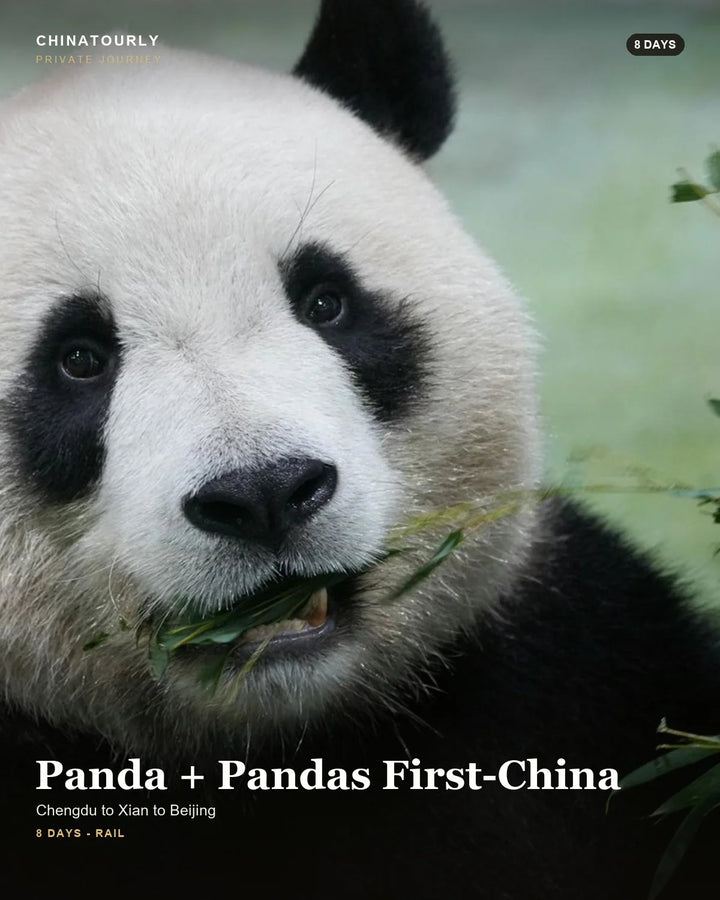
Chengdu · Xi'an · Beijing — 8 days.
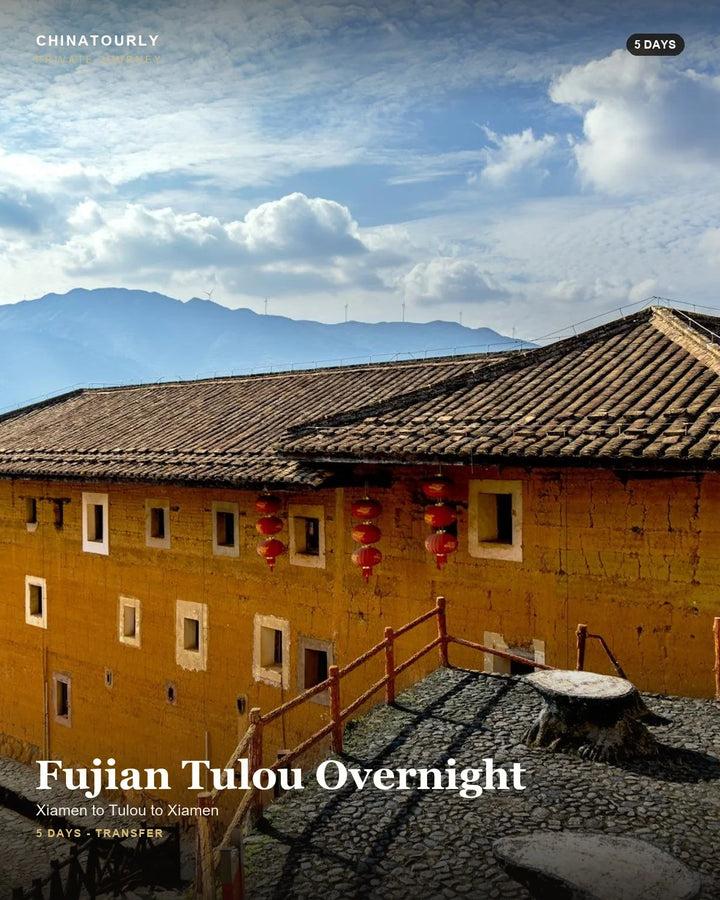
Xiamen — 5 days.
Choose a Yangtze cruise by its confirmed sailing, direction, cabin and shore-excursion terms, not the ship photograph alone. Check where boarding actually happens and...
Guilin and Yangshuo work well together, but they serve different parts of a trip. Use Guilin for arrival logistics and city sights, then allow...
The best things to do in Beijing depend on how much time you have and how you like to travel. Start with the Forbidden...
Private journeys through China, crafted by guides who have lived here for decades — we go where the crowd does not.
