China is not one cuisine, it is at least eight
What Westerners call 'Chinese food' is actually a federation of distinct regional traditions, each with its own ingredients, techniques, and dining culture. Visiting properly means choosing two or three to taste deeply, not all eight superficially.
The Eight Culinary Traditions (Bā Dà Cài Xì) of China are the framework Chinese food culture uses to organise itself:
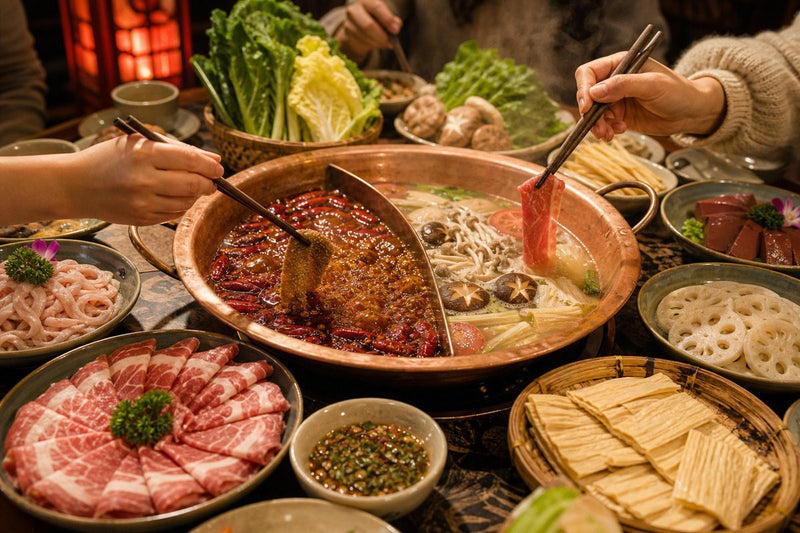
- Sichuan (川): Chengdu and Chongqing. Numbing-spicy (麻辣), bold flavour layering, the most internationally famous regional cuisine. Mapo tofu, twice-cooked pork, dan dan noodles.
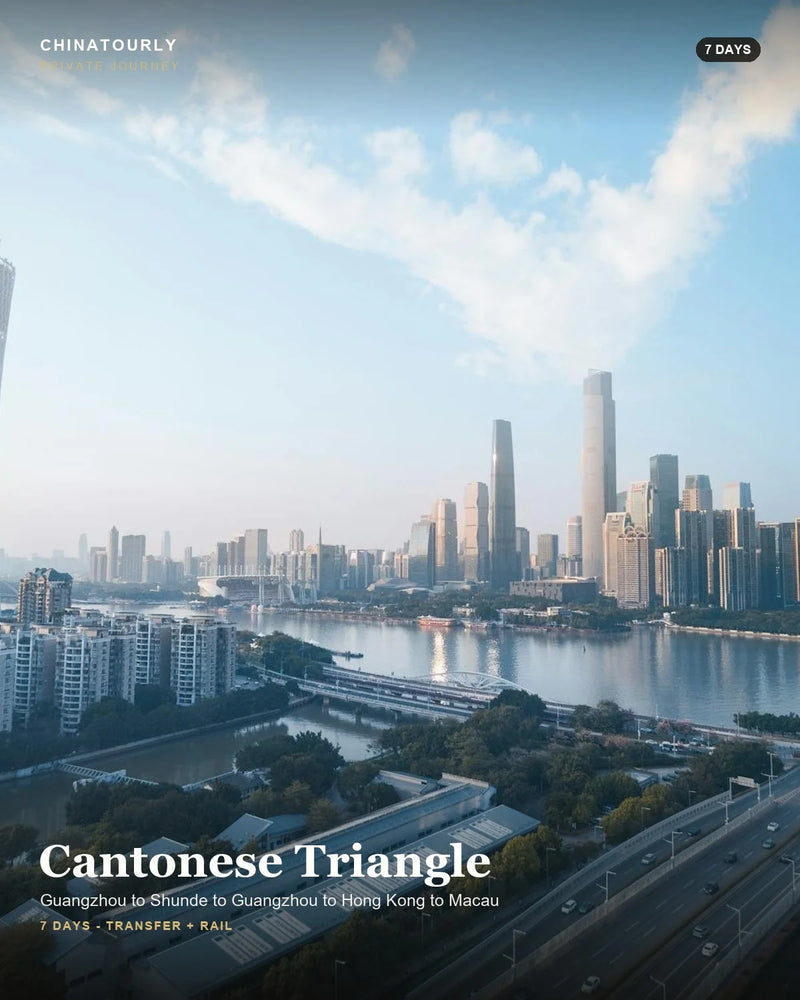
- Cantonese (粤): Guangzhou and the Pearl River Delta. Subtle flavours, dim sum tradition, expert seafood preparation, premium ingredient handling. Considered the most technically demanding tradition.
- Shandong (鲁): Northern coastal. Foundation of Beijing imperial cuisine. Sweet-and-sour techniques, scallion-ginger preparations, seafood from the Yellow Sea.
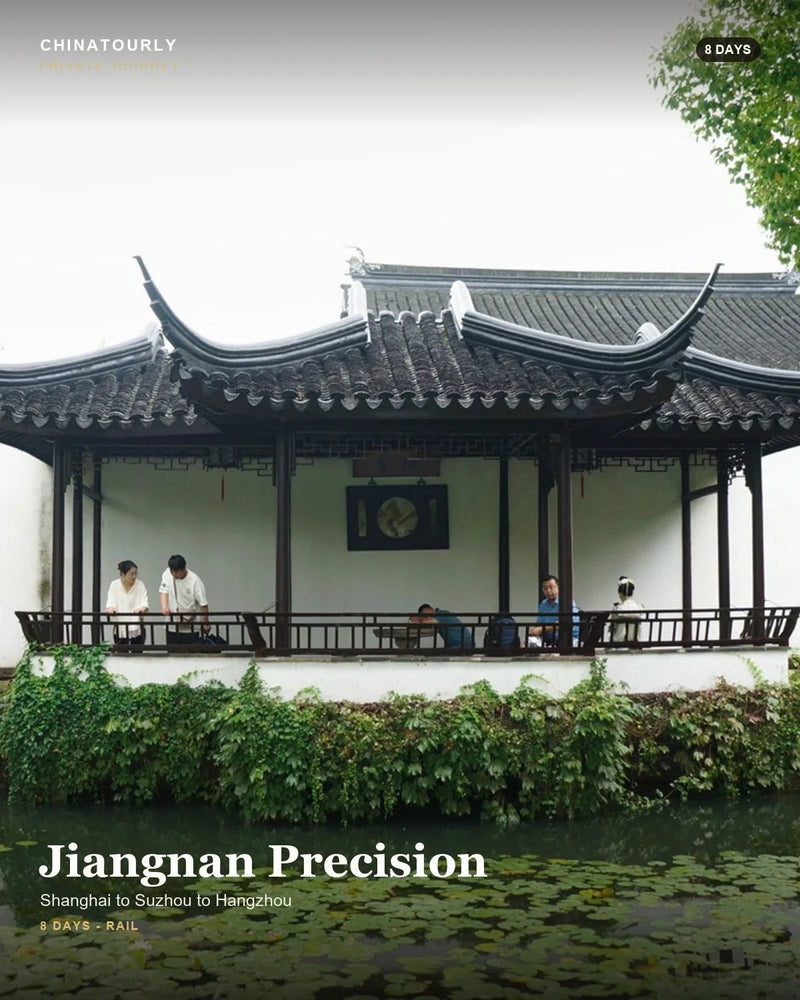
- Jiangsu (苏): Yangtze delta. Delicate knife work, seasonal precision, freshwater fish. The cuisine of Suzhou's classical gardens and the Lower Yangtze scholarly tradition.
- Zhejiang (浙): Hangzhou and the coast south. Light braising, freshwater preparation, vinegar use. Beggar's chicken, Longjing tea-fragrant shrimp.
- Fujian (闽): Coastal southeast. Soup-forward (Buddha-jumps-over-the-wall, hot-and-sour seafood), umami-rich, distinctive use of fermented red rice wine.
- Hunan (湘): Mao's home province. Spicier than Sichuan but without the numbing peppercorn — pure heat. Smoked meats, fermented chilis.
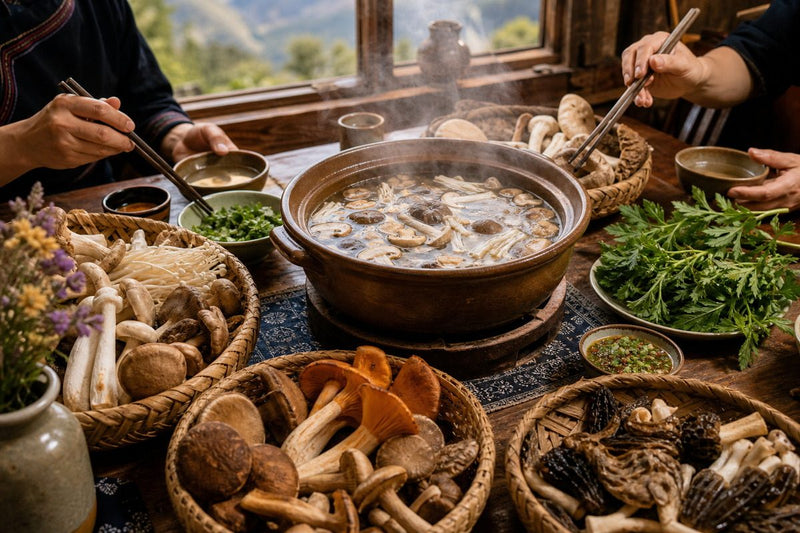
- Anhui (徽): Yangtze tributary mountains. Bamboo shoots, wild herbs, stewed game. The least internationally known and arguably the most regionally idiosyncratic.
Most travellers' time in China lets them taste two or three of these traditions deeply. The most rewarding combinations: Sichuan + Cantonese (the two extremes of flavour philosophy), Jiangsu + Hangzhou (the Lower Yangtze scholarly cuisines), or Sichuan + Yunnan (the latter not technically one of the Eight, but spectacular for ethnic-minority food culture).
Visiting properly means choosing two or three traditions to taste deeply, not all eight superficially.