Culinary Arts: Eight Cuisines, UNESCO 2026 inscription, and the working chef's kitchen
Living Cuisine · UNESCO 2026

Culinary Arts: Eight Cuisines, UNESCO 2026 inscription, and the working chef's kitchen

In 2026, Chinese cuisine was inscribed on the UNESCO ICH list — knowledge and practices regarding the preparation and enjoyment of food. The Eight Culinary Traditions of China (Sichuan, Cantonese, Shandong, Jiangsu, Zhejiang, Fujian, Hunan, Anhui) define the regional framework. Cooking classes at working chef kitchens, not tourist demonstrations.

  • 2026UNESCO ICH inscription
  • 8Culinary traditions
  • 4Students per class max
Reading guide

Why 2026 UNESCO recognition matters

In 2026, UNESCO inscribed Chinese cuisine on the Intangible Cultural Heritage list — recognition covers techniques, regional traditions, banquet etiquette, and the broader social significance of cooking. The inscription elevates Chinese culinary practice from food culture to formally protected world heritage.

The Eight Culinary Traditions (Bā Dà Cài Xì) define the regional framework: Sichuan (川) — mala flavour philosophy, Chengdu base; Cantonese (粤) — Guangzhou, dim sum, premium seafood; Shandong (鲁) — northern coastal, foundation of Beijing imperial cuisine; Jiangsu (苏) — delicate knife work, Suzhou; Zhejiang (浙) — light braising, Hangzhou; Fujian (闽) — soup-forward; Hunan (湘) — pure heat without numbing; Anhui (徽) — mountain herbs and stewed game.

Cooking classes at our standard are 4-student maximum sessions in working chef kitchens attached to residential restaurants. Three dishes per class typical — a foundational protein, a technique-led vegetable, a sauce-driven feature. Morning market shopping included. Senior chefs trained at regional culinary institutes (Sichuan Higher Institute of Cuisine, Yangzhou Cuisine School). 3-4 hours.

Where we work: Chengdu for Sichuan; Guangzhou + Hong Kong for Cantonese; Suzhou + Yangzhou for Jiangsu; Hangzhou for Zhejiang; Xi'an Muslim Quarter for Hui cuisine; Yunnan for ethnic-minority kitchens (Bai, Naxi, Dai). Each city has a curated chef relationship.

What does not work: hotel-restaurant cooking classes (tourist version), large group classes (10+ students = demonstration not learning), or any session under 90 minutes (insufficient for technique).

UNESCO 2026 inscription elevates Chinese cuisine to formally protected world heritage. Class standard matters more than ever.

Three cuisine patterns

Each is a different commitment.

Single class

Half-day add-on

One cooking class fits any city visit. 4-student max, 3-4 hours, working chef kitchen.

Multi-cuisine trip

5-7 days across regions

Three to four cuisines across one focused week. Sichuan + Cantonese is the most common combination.

Eight Cuisines tour

21 days (Bespoke)

All eight regional traditions across multiple cities. Senior food guide throughout.

Four culinary regions

Each region carries its own tradition.

Sichuan (Chengdu)

Mar-May, Sept-Nov

Sichuan Higher Institute · working chef kitchens

Mala tradition headquarters.

Cantonese (Guangzhou + HK)

October-April

Lin Heung Tea House · Pan Xi · Tao Tao Ju

Premium technique, dim sum origin.

Jiangnan (Suzhou + Hangzhou)

March-Nov

Songshu fish kitchens · Longjing tea pairings

Scholar-class precision.

Class-by-class planning

Time, location, prerequisite.

Class Season Time Location Notes
Sichuan cooking class Mar-May, Sept-Nov Half-day Chengdu chef kitchen Heat tolerance Day 1
Cantonese dim sum Oct-April Half-day Guangzhou or HK Early morning start
Songshu fish technique Year-round Half-day Suzhou kitchen Knife work intensive
Bai cooking Mar-May, Oct-Nov Half-day Xizhou Dali Three Courses of Tea pairing
Hui Muslim food Year-round evenings 3 hour tour + roujiamo lesson Xi'an Muslim Quarter All halal
Eight Cuisines tour Year-round 21 days (Bespoke) Multi-city Senior food guide essential

Four common situations

Match a situation to a recommendation.

If

First cooking class

Best pick Sichuan in Chengdu

Three classic dishes (mapo tofu, kung pao chicken, fish-fragrant pork) at a working chef kitchen. 3 hours including market shop.

Also consider: Spice acclimatisation Day 1 mild.

Watch out: Most accessible regional cuisine introduction.

If

Cantonese refinement

Best pick Guangzhou + HK 5 days

Dim sum at Lin Heung (1928) + Cantonese seafood preparation + Hong Kong Michelin tasting.

Also consider: October-April for best ingredients.

Watch out: Book Michelin venues 4-6 weeks ahead.

If

Jiangnan precision

Best pick Suzhou + Hangzhou kitchen tour

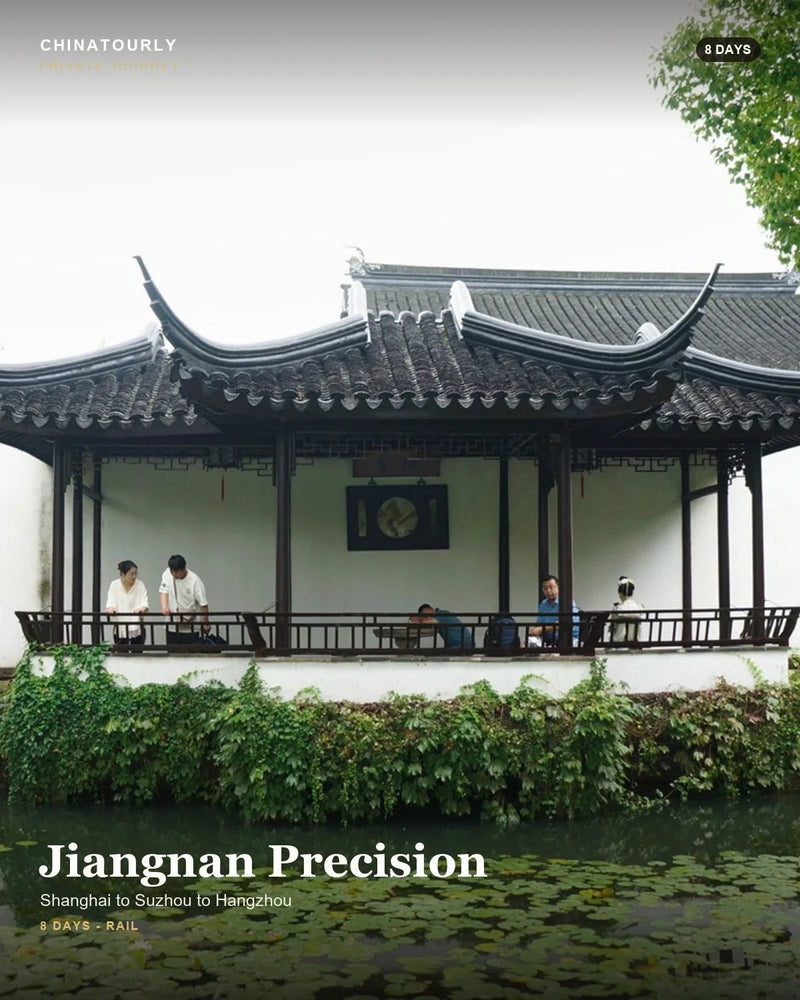
Songshu fish + Longjing tea-fragrant shrimp + Hangzhou Beggar's Chicken across a 5-day Jiangnan tour.

Also consider: October-November for hairy crab season.

Watch out: Vegetarian Jiangnan requires advance briefing.

The working chef's kitchen standard

What separates a real class from a demonstration.

Working chef's kitchen, not a tourist room
Chengdu · 09:00

Working chef's kitchen, not a tourist room

The standard 'cooking class' in Chinese tourism is often a tourist-oriented demonstration in a hotel kitchen with 15+ students and 30-minute time slots. We arrange access to a working chef's kitchen attached to a residential Chengdu restaurant. Three dishes — mapo tofu, fish-fragrant pork, kung pao chicken — taught in real working conditions over three hours, including the morning market shop.

You leave with the recipes, the spice measurements, and the technical understanding of what mala actually means as a flavour layering rather than just 'spicy.'

4-student maximum. Booked through our food specialist relationship.

View Chengdu Spice Deep Dive

Four cuisines to know

UNESCO 2026 + three regional anchors.

UNESCO 2026 inscription

Chinese cuisine on the Representative List

Nationwide

In 2026, Chinese cuisine — knowledge and practices regarding the preparation and enjoyment of food — was inscribed on the UNESCO Intangible Cultural Heritage list. Recognition covers techniques, regional traditions, banquet etiquette, and the broader social significance of cooking.

  • Eight Cuisines framework as starting reference
  • Cooking class at working chef kitchen
  • Regional culinary institute visit option
Mala headquarters · Sichuan

Chengdu chef kitchens

Sichuan

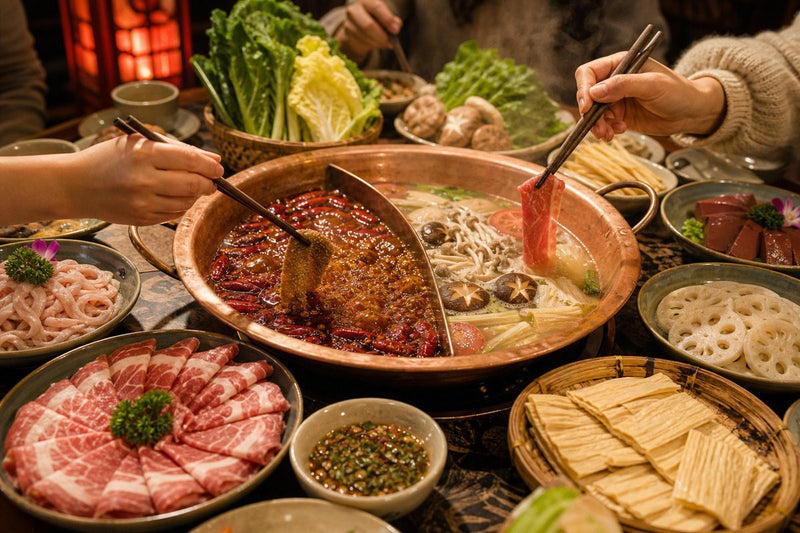
Sichuan Higher Institute of Cuisine is the official training centre. Mala (numbing-spicy) flavour philosophy. Hanyuan-region Sichuan peppercorns + chillies + beef tallow base. Working chef kitchens deliver the real version, not the tourist mala.

  • Sichuan cooking class (3 dishes)
  • Sichuan Higher Institute of Cuisine visit
  • Hot pot evening at non-tourist restaurant
Cantonese tradition · 2,000+ years

Lin Heung Tea House 1928

Guangzhou

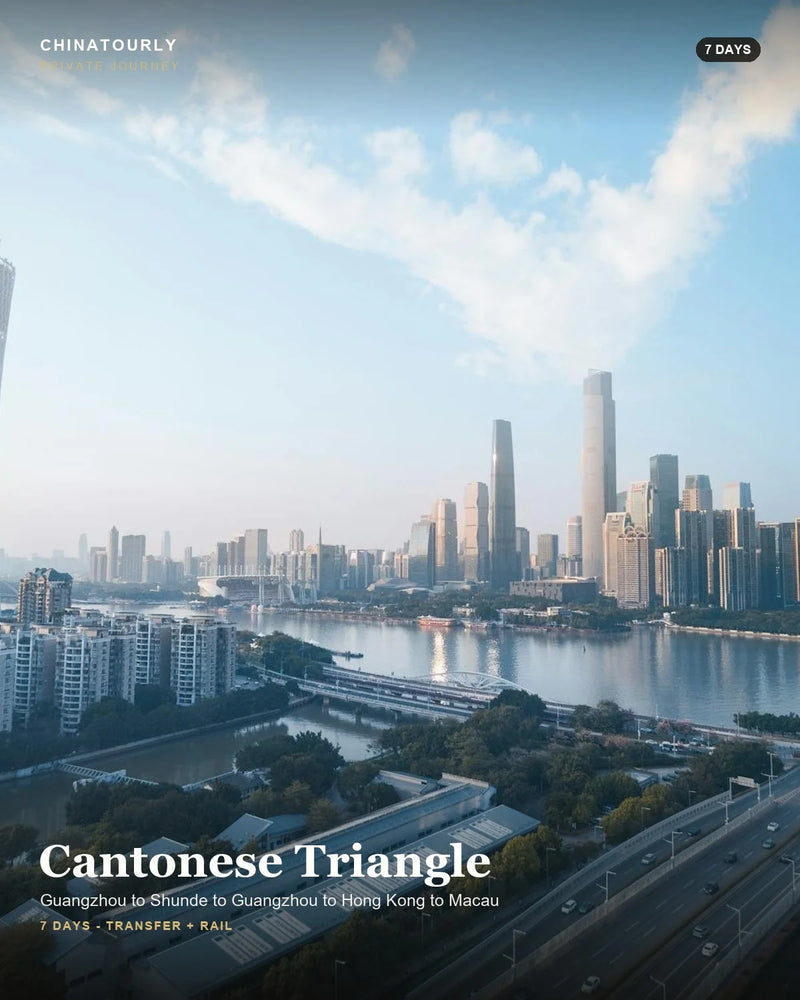
Lin Heung on Wing Lok Street, established 1928 — one of the few surviving traditional Guangzhou-style teahouses where servers still push dim sum carts table to table. 06:30 arrival before the local queue.

  • Lin Heung dim sum 06:30
  • Cantonese seafood preparation lesson
  • Dried-goods market with chef walk

Specific cooking moments we arrange

Four sessions with named chefs.

Sichuan three-dish session
Chengdu

Sichuan three-dish session

Mapo tofu + kung pao + fish-fragrant. Working chef kitchen.

4-student max; book 5-7 days ahead.

Lin Heung dim sum 06:30
Guangzhou

Lin Heung dim sum 06:30

1928 teahouse. Trolley-pushed dim sum carts. Local queue from 09:00.

Cash only; no reservations.

Songshu Mandarin Fish technique
Suzhou

Songshu Mandarin Fish technique

Pinecone scoring + sweet-sour glaze at a Suzhou-trained chef kitchen.

Half-day class.

Honest answers before you commit

What does UNESCO 2026 recognition change?

It formalises Chinese cuisine as protected world heritage at the cultural-practice level (alongside Mediterranean diet, French gastronomy, Japanese washoku). Recognition covers techniques, regional traditions, banquet etiquette. Practically: it raises the bar for working chef kitchens, encourages younger chefs to enter regional traditions, and increases funding for culinary education programmes.

How does your cooking class differ from hotel restaurant classes?

Hotel restaurant classes are typically 15+ students, 30-45 minutes, demonstration format. Our classes are 4-student maximum, 3-4 hours, working chef kitchen, real market shopping, take-home recipes with measurements. Cost difference reflects access and quality difference.

Can I do an Eight Cuisines tour?

Yes — Bespoke 21-day itinerary. Senior food guide throughout. Three days per cuisine with cooking class + restaurant tasting + market visit. Internal flights and high-speed rail between cities. Pricing from $12,000-18,000 per person depending on hotel category.

Are vegetarian options serious?

Yes. Chinese Buddhist vegetarian cuisine has 1,500 years of tradition (Wenshu Temple Chengdu, Lingyin Temple Hangzhou). Sichuan has many naturally vegetable-forward dishes. Yunnan's mushroom culture is largely vegetarian. See our vegetarian China guide.

Build your own

Tell us which cuisine draws you

Send us your dates, dietary requirements, spice tolerance. 24-hour response.

Prefer to talk first? hello@chinatourly.com  ·  WhatsApp +1 725 303 6645  ·  A real planner replies within 24 hours.