By Interest · Silk Road

The Chinese Silk Road for travellers who want the actual corridor

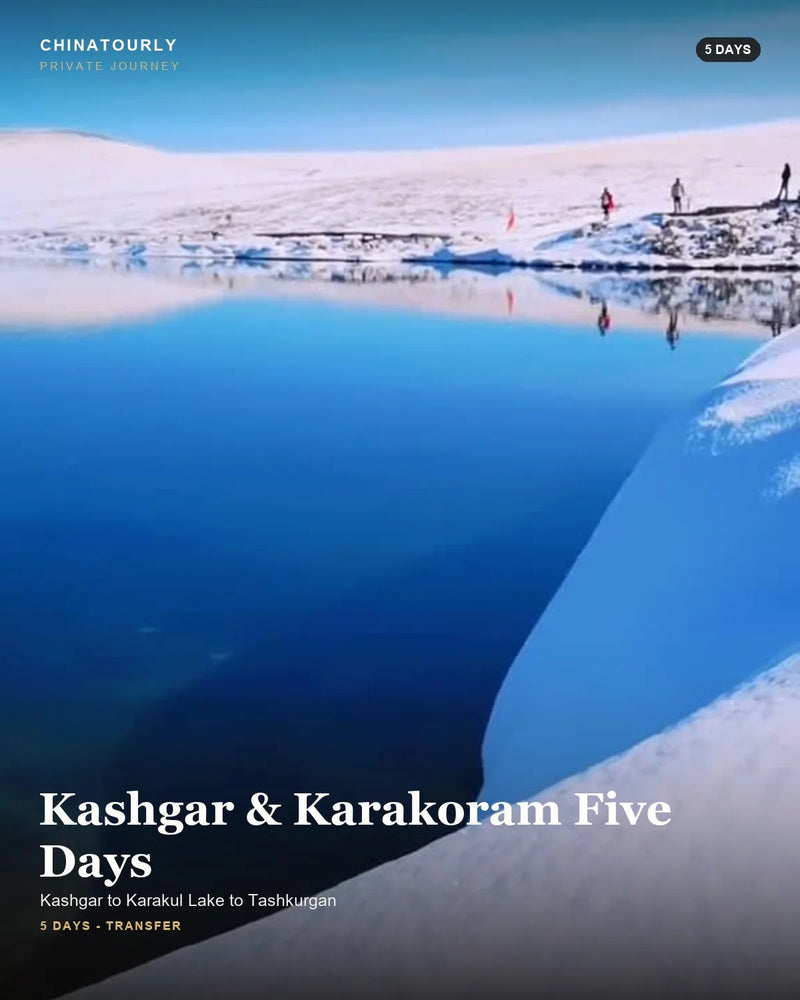
Four thousand kilometres from Xi'an to Kashgar across desert, oasis, grottoes, and the Pamir foothills. A guide to the corridor's six anchor cities, the Mogao Caves, and the timing that makes the trip possible.

  • 4,000+km corridor length
  • 6anchor cities
  • 1,400+years of Buddhist art
Reading guide

The Silk Road is not one road; it is a corridor with logic

Travellers come expecting a single ancient highway. What survives is a 4,000-kilometre east-west corridor with six anchor cities, two distinct landscape zones, and a 2,000-year history of east-west exchange that is visible in surprising places.

The Chinese Silk Road runs from Xi'an (then Chang'an), through the Hexi Corridor of Gansu, past the western Great Wall terminus at Jiayuguan, into the Tarim Basin oasis chain (Dunhuang → Turpan → Kashgar), and on to the Pamirs and Central Asia beyond. The full corridor inside China is approximately 4,200 km. The whole length is travellable by a combination of high-speed rail, regional rail, and 4WD vehicles.

What you actually see along the way

Each anchor city contributes a different layer:

  • Xi'an — the Tang capital and starting point. Tang gold and silver collections at the Shaanxi History Museum; the surviving 1370 city wall; the Big Wild Goose Pagoda where Xuanzang installed the Buddhist sutras brought from India.
  • Lanzhou — the Yellow River crossing and provincial capital. Gansu Provincial Museum holds the Han bronze Galloping Horse and the major Western Wei Buddhist sculpture.
  • Jiayuguan — the western terminus of the Ming Great Wall. The 1372 fortress sits at the narrow desert pass that controlled the Silk Road for centuries.
  • Dunhuang — the oasis with the Mogao Caves. 492 surviving Buddhist cave temples carved between 366 CE and the 14th century. The most significant Silk Road site by depth.
  • Turpan — the depression below sea level (the second-lowest point on earth), with the Karez underground irrigation, the Flaming Mountains, and the ruined cities of Gaochang and Jiaohe.
  • Kashgar — the western terminus inside China. Uyghur cultural centre, Sunday Livestock Market, Id Kah Mosque, the Old Town with its mud-brick alleyways.

The full corridor takes 14 days at a serious pace, 10 days with the Lanzhou and Jiayuguan stops compressed. Cutting Kashgar trims it to 8 days. Cutting Turpan as well brings Xi'an-to-Dunhuang into 6 days. Each compression loses something meaningful; the full corridor is the version we recommend if your timing allows.

The Silk Road is travellable end-to-end inside China by a mix of high-speed rail, regional rail, and 4WD.

Three Silk Road patterns

Each pattern is a different commitment of time, season, and travel intensity. Match your situation to one of the three.

Full corridor

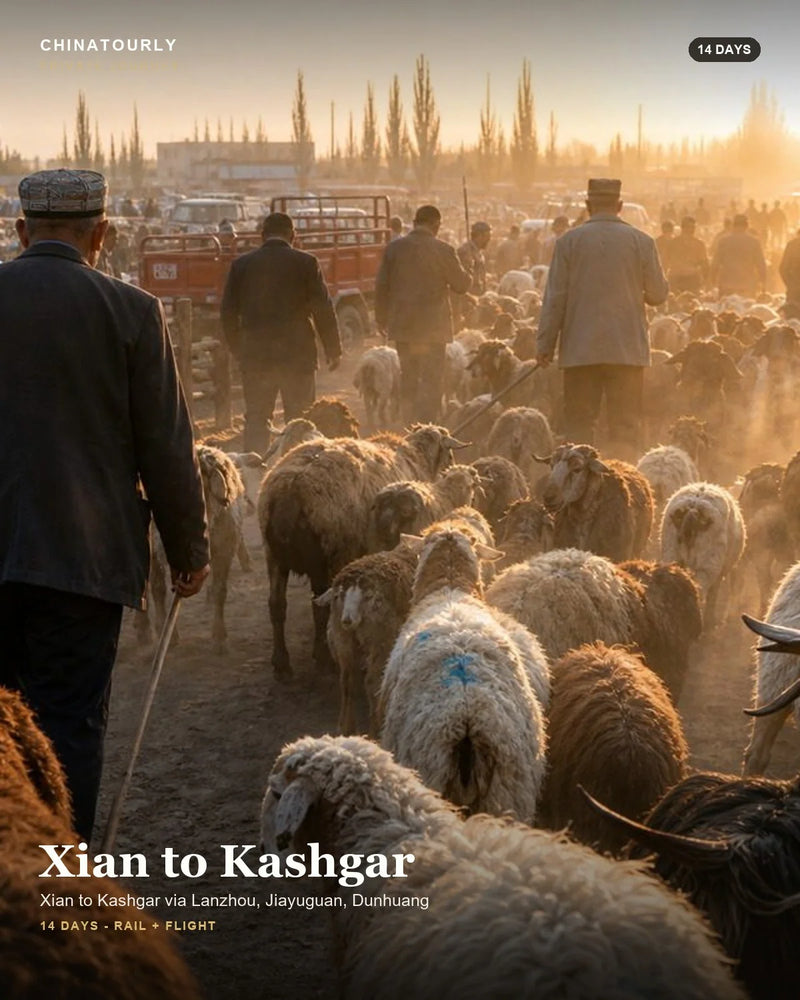
Xi'an–Kashgar 14 days

The complete journey end-to-end. Two cooking-school visits, four UNESCO sites, the corridor's six anchor cities.

Mid corridor

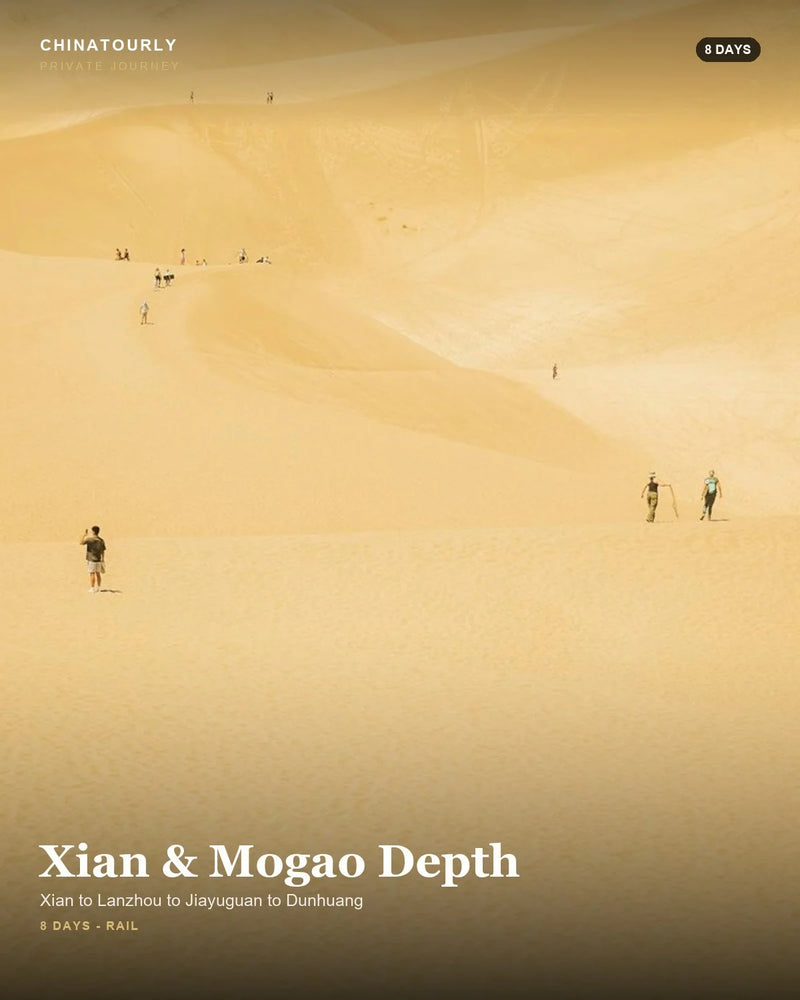
Xi'an–Dunhuang 8 days

Cuts the western desert sections. Covers Tang Xi'an, Hexi Corridor heritage, and the Mogao Caves in depth.

Photographer's western desert

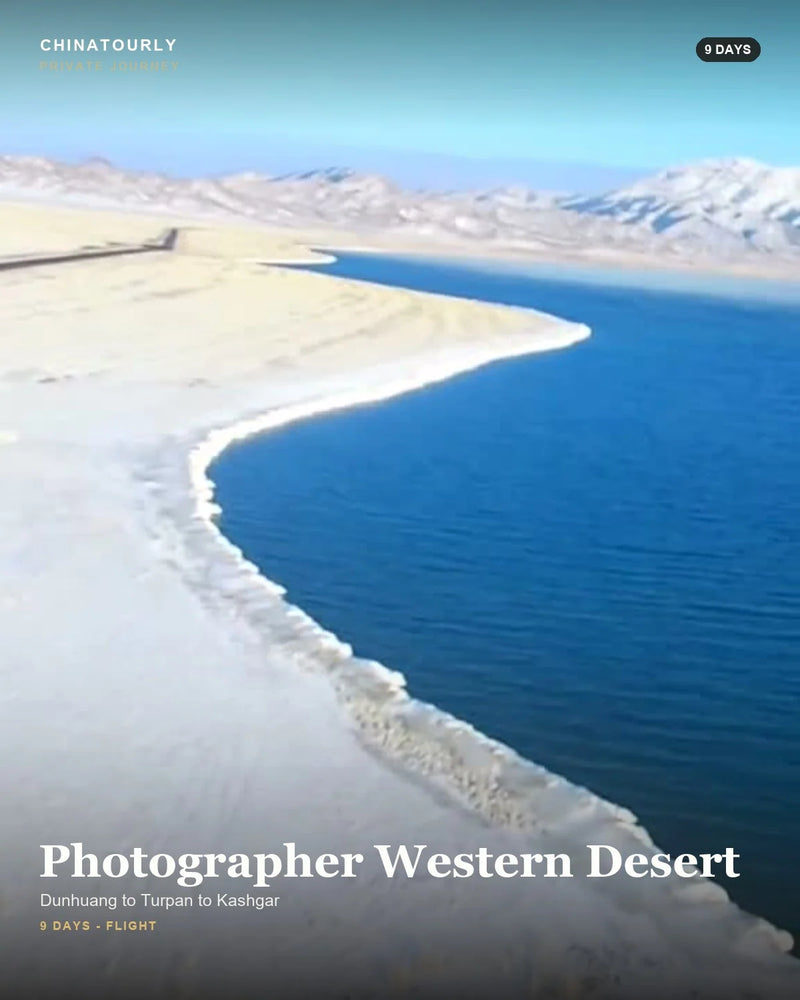
Dunhuang–Turpan–Kashgar 9 days

Skips Xi'an. Focuses on the desert, the oases, and the Uyghur cultural west.

Four corridor zones

The Silk Road inside China splits into four logical zones, each with its own season, landscape, and logistics.

Eastern start · Xi'an

March–May, September–October

Xi'an · Shaanxi · Hancheng · Famen

Tang capital, Terracotta Warriors, the imperial museum collections.

Hexi Corridor · Gansu

April–October

Lanzhou · Zhangye · Jiayuguan · Wuwei

The narrow corridor between the Qilian Mountains and the Gobi. Buddhist sites, Western Wei sculpture, the Rainbow Mountains at Zhangye.

Tarim oasis chain

April–early June, September–October

Dunhuang · Turpan · Kuqa · Aksu

The desert oases with the major Buddhist cave complexes. Extreme summer heat in Turpan.

Western terminus · Xinjiang

May–early June, September–October

Kashgar · Tashkurgan · Pamir foothills

Uyghur cultural centre. Sunday livestock market. The Karakoram Highway start. Border permits required for the Pamir crossings.

City-by-city planning notes

When to go, how long to stay, what to plan around. The corridor's six anchor cities, summarised.

City Best window Days needed Pace Watch out for
Xi'an April–May, Sept–Oct 3 days History-dense Terracotta morning timing (08:15)
Dunhuang May–early June, Sept–Oct 3 days Cave-paced Mogao timed entry; book 4+ weeks ahead
Turpan May, Sept–Oct 2 days Heat-aware July-Aug 45°C+ daytime; avoid
Kashgar May–early June, Sept–Oct 3 days Old town walking + Sunday market Border permit lead times if going further west
Lanzhou April–Oct 1 day Museum + Yellow River Yellow River dust storms in spring
Jiayuguan April–Oct 1 day Fortress walk Mid-summer haze reduces visibility

Four common situations, four routes

Each scenario produces a clear corridor recommendation.

If

Your time budget is two weeks

Best pick Full Xi'an-to-Kashgar 14 days

The corridor is most rewarding end-to-end. The eastward → westward narrative arc from Tang capital to Uyghur frontier mirrors the historical trade direction. Two weeks gives enough days at Mogao (3) and Kashgar (3) to do them justice.

Also consider: Pre-acclimatise altitude in Xi'an before the western legs.

Watch out: Internal flights help: take the Dunhuang flight rather than the longer overland from Jiayuguan.

If

Your priority is Mogao Caves specifically

Best pick Lanzhou–Dunhuang 6 days

Skip Kashgar and the deeper desert. Lanzhou's museum prepares the Buddhist art context; Jiayuguan's fortress is the corridor middle; Dunhuang gives three days with the caves themselves.

Also consider: Consider the academic deep-tour cave booking 4+ weeks ahead.

Watch out: Photography is prohibited inside all caves; bring a notebook.

If

You want the western desert without the Mogao depth

Best pick Turpan–Kashgar 7 days

The western half of the corridor with Uyghur cultural focus. Turpan's three desert sites (Karez, Flaming Mountains, Gaochang), Kashgar's old town and Sunday market, plus the Karakoram start.

Also consider: Time the Sunday market visit carefully.

Watch out: Tashkurgan and the Pamir foothills require additional border permits.

If

You want to combine Silk Road with Tibet

Best pick Xi'an, Dunhuang, then Lhasa

Possible but logistically heavy. Xining-Lhasa railway from Dunhuang takes 24 hours. Most travellers prefer to do Silk Road and Tibet as separate trips.

Also consider: If combined, allow 21+ days minimum.

Watch out: Altitude and permit logistics compound when combined.

Two encounters at the right hour

Two specific arrangements that distinguish a private Silk Road trip from a generic corridor tour.

Academic cave-deep tour with a Buddhist art historian
Mogao Caves · 07:30

Academic cave-deep tour with a Buddhist art historian

The standard Mogao visit covers 8 caves rotated daily from the 60 accessible to the public. The academic deep tour we arrange covers a curated selection — typically Caves 254, 257, 285 (Northern Wei period), 420 (Sui), 220 (Tang), and 17 (the Library Cave) — sequenced chronologically with a Buddhist art historian as guide.

The 800-year transition from Central Asian to fully Sinified Buddhist iconography becomes legible across two hours. You leave with a real understanding of the corridor's role as a religious and artistic exchange route.

Booking lead time 4-6 weeks. Photography prohibited inside all caves.

Silk Road timing guide
The Sunday Livestock Market before the visitors arrive
Kashgar · Sunday morning

The Sunday Livestock Market before the visitors arrive

The Kashgar Sunday Livestock Market is one of the most active traditional markets in Central Asia. Sheep, cattle, donkeys, and horses change hands across hundreds of vendors. The market operates year-round on Sundays but is busiest in May-June and September-October.

Arriving at 08:00 with a Uyghur-speaking guide puts you inside the negotiation rhythm before the day-tour groups arrive at 10:30. This is one of the few remaining markets where livestock pricing is conducted entirely by the hand-clasp-under-cloth system that has operated for centuries.

Sundays only. Conservative dress recommended (covered shoulders and knees).

View Kashgar itineraries

Six cities to know by name

Each anchor city contributes a different historical or cultural layer. Together they tell the corridor's story.

Tang capital · 618-907 CE

Xi'an: where the corridor begins

Shaanxi

Chang'an, on the site of modern Xi'an, was the eastern terminus of the Silk Road during the Tang dynasty. The city held perhaps a million residents at peak, with foreign communities of Persians, Sogdians, Japanese, and Arabian merchants. The Big Wild Goose Pagoda still stands where the Tang scholar Xuanzang installed the Buddhist sutras he brought back from India in 645 CE.

The Shaanxi History Museum holds the largest Tang gold-and-silver collection in the world (the Hejia Village hoard) — the corridor's eastern luxury endpoint made tangible.

  • Big Wild Goose Pagoda (Tang context)
  • Shaanxi History Museum Tang vault
  • Tang West Market site
Hexi Corridor capital

Lanzhou: the Yellow River crossing

Gansu

The provincial capital of Gansu sits at the major Yellow River crossing where the Silk Road historically narrowed into the Hexi Corridor. The Gansu Provincial Museum holds the bronze Galloping Horse (Han dynasty, 2nd century CE), one of China's most famous archaeological objects, and the major Western Wei Buddhist sculpture from the Bingling Temple grottoes.

One full day is enough; Lanzhou is a transit anchor rather than a destination. Pair with the Bingling Temple boat excursion if water levels permit.

  • Gansu Provincial Museum
  • Bingling Temple boat day
  • Yellow River walk at sundown
Western Great Wall terminus · 1372

Jiayuguan: the corridor's narrow pass

Gansu

The 1372 Ming fortress at Jiayuguan sits at the narrow point where the Hexi Corridor reaches the western Great Wall terminus. Beyond Jiayuguan, the wall does not continue — the corridor opens out into the desert and oasis chain leading west. The fortress walls and the surrounding earthen ramparts are intact enough to give a clear sense of the late-Ming border defence.

One full day covers the fortress, the museum, and an evening walk along the western Great Wall section.

  • Jiayuguan Fortress (full circuit)
  • Overhanging Great Wall at sundown
  • Long March Memorial Museum context
Buddhist caves · 366 CE founding

Dunhuang & the Mogao Caves

Gansu

The most significant single site on the Silk Road. 492 surviving Buddhist cave temples carved between 366 CE and the 14th century, with 45,000 m² of murals and 2,400 painted clay sculptures. The cave complex sits 25 km southeast of modern Dunhuang town.

The standard public ticket admits 8 caves on rotation. The academic deep tour admits 10–12 caves selected for chronological depth. Outside the caves, the Singing Sand Dunes and Crescent Moon Spring give the desert oasis context.

  • Mogao academic deep tour (10–12 caves)
  • Mogao Conservation Centre digital exhibition
  • Singing Sand Dunes at dusk
Below sea level oasis

Turpan: the depression, the karez, the flaming mountains

Xinjiang

The Turpan Depression sits 154 m below sea level — the second-lowest point on earth. Daytime temperatures reach 45 °C in July-August; visit in May, late September, or early October. The three principal sites: the Karez underground irrigation system (a 2,000-year-old engineering project still in use), the Flaming Mountains (sandstone formations that genuinely look on fire under midday sun), and the ruined cities of Gaochang and Jiaohe.

September grape harvest in the Turpan vineyards is the bonus seasonal layer.

  • Karez underground irrigation tour
  • Gaochang ancient ruins (UNESCO)
  • Bezeklik Thousand Buddha Caves day
Uyghur cultural centre

Kashgar: the western terminus

Xinjiang

The Uyghur cultural and trading centre at the western edge of China, 1,500 km from Urumqi. The Id Kah Mosque (1442, largest in China), the Old Town with its mud-brick alleyways and traditional crafts, the Sunday Livestock Market, and the start of the Karakoram Highway south to the Pakistani border.

Kashgar requires three days at minimum: one for the Old Town, one for the markets (Sunday for livestock or daily for produce), one for the Tashkurgan day excursion if border permits are arranged.

  • Id Kah Mosque (Friday prayer hour observation)
  • Old Town daily craft walking tour
  • Sunday Livestock Market (08:00 arrival)

Six specific moments we arrange

Six experiences our Silk Road specialists build into longer itineraries.

The desert highway at sundown
Tarim Basin

The desert highway at sundown

The G314 highway from Turpan to Aksu skirts the Taklamakan north edge. Late afternoon light turns the sand red. We stage one overnight at a desert guesthouse for the dawn the next morning.

4WD vehicle required. Permit-area transit.

The fortress at the corridor's narrow pass
Jiayuguan

The fortress at the corridor's narrow pass

1372 Ming fortress sitting between the Qilian snow peaks and the Gobi. The wall walk and the museum together take one full day.

Best visited late afternoon as light raks the wall.

Underground irrigation still in use
Turpan

Underground irrigation still in use

The Karez system runs 5,000 km of underground channels across the Turpan Depression. A small section is open to visitors with explanatory infrastructure.

Cool underground temperatures even at peak summer heat.

Naan bakery at the Old Town
Kashgar

Naan bakery at the Old Town

The traditional Uyghur tandoor naan baking continues in family bakeries throughout the Old Town. Morning baking sessions are visible from the street.

Buy directly from the bakers; cash only.

Sui dynasty Cave 420 at the right hour
Mogao

Sui dynasty Cave 420 at the right hour

The Sui period transition between Northern Wei and Tang styles is clearest in Cave 420. We sequence the visit so this cave falls roughly in the middle of the chronological tour.

Cave temperature 15-18°C year-round; bring a light layer.

Rainbow Mountains in the right light
Zhangye

Rainbow Mountains in the right light

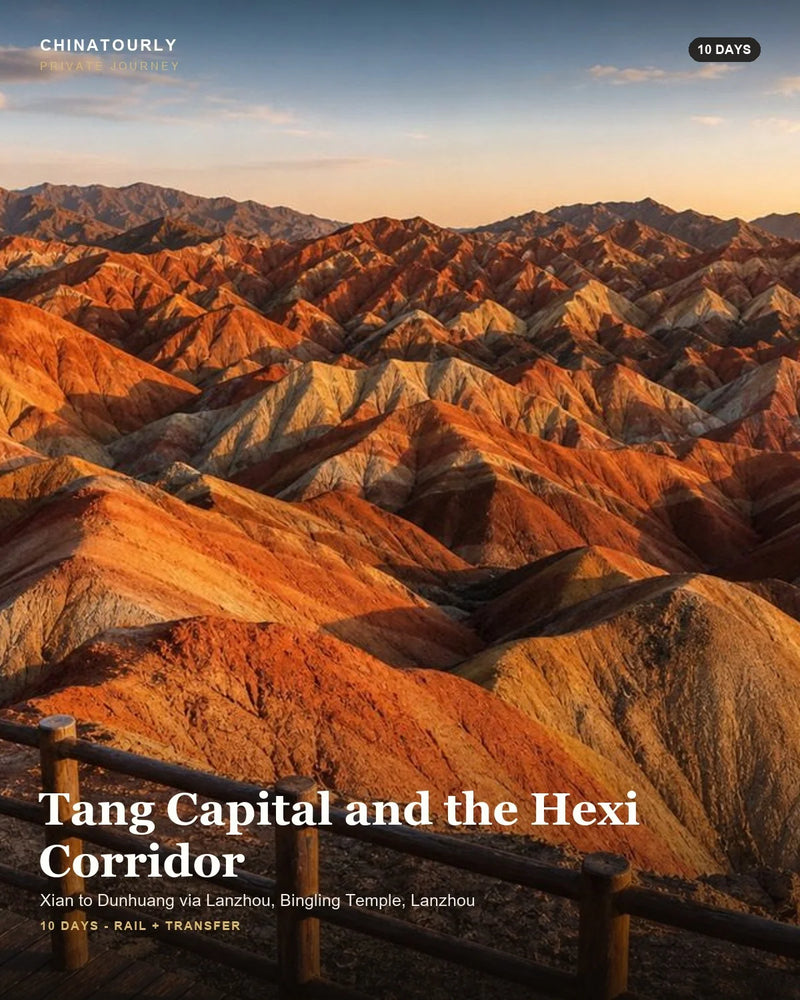
The Danxia landforms outside Zhangye are most photogenic 90 minutes after sunrise or 90 minutes before sunset. We avoid the midday window when the colour washes flat.

Park shuttle bus between viewpoints; 3 hours on site.

Honest answers before you commit

Is the Silk Road really travellable end-to-end inside China?

Yes — and the journey itself is a meaningful part of the experience. The combination of high-speed rail (Xi'an to Lanzhou, Lanzhou to Jiayuguan), regional rail (Jiayuguan to Dunhuang), short flight (Dunhuang to Turpan or Urumqi), and 4WD (the desert highway segments) covers the 4,000-km corridor over 14 days. Internal Chinese flights bridge the longer gaps if your time is constrained.

How seasonal is the trip really?

Very. May to mid-June and September to mid-October are the only windows where the full corridor is comfortable end-to-end. July-August produces 45 °C heat in Turpan and the western desert. November-March brings cold to the western sections (Turpan and Kashgar can drop below freezing) and reduces accessibility. Our Silk Road month-by-month guide covers the seasonal reality in detail.

Is the Mogao academic deep tour worth the extra cost?

Yes for serious Buddhist art travellers; possibly not for casual visitors. The academic tour costs roughly 8x the standard ticket but admits you to 10-12 caves selected chronologically rather than 8 rotated daily. The chronological sequencing is the value — it lets a senior guide carry the artistic-style transition across 800 years legibly. For travellers without prior interest in Buddhist art, the standard tour with a good guide is often sufficient.

Can I travel the Silk Road independently?

Technically yes in the eastern half (Xi'an through Dunhuang). The western sections (Turpan, Kashgar) are accessible to independent travellers but the logistics are demanding: Uyghur-language friction in Kashgar's older markets, security checkpoint protocols in some Xinjiang locations, permit requirements for the Pamir foothills. Most travellers prefer the guided route for these reasons rather than the cost.

What about Xinjiang's political sensitivity?

Travel to Kashgar and the principal Silk Road sites in Xinjiang remains accessible to international visitors. Our operators are familiar with the documentation requirements and the security checkpoint protocols. The travel experience itself — Old Town walking, Sunday market, Id Kah Mosque, Karakoram Highway start — is unchanged from previous decades. We do not include politically charged commentary in our guiding; the focus is geography, food, and Uyghur cultural heritage.

Is the trip suitable for older travellers?

Yes with pacing accommodations. The 14-day corridor involves multiple internal flights and 4-6 hour drives between sites in the desert sections. Walking distances at major sites (Mogao, Karez, Kashgar Old Town) are moderate. For travellers over 75, we recommend the 10-day mid-corridor version that uses more rail and skips the longer desert drives. See our family and multi-generation travel guide for pacing detail.

Build your own

Tell us how far west you want to go

Send us your travel dates, time budget, and primary interests (Buddhist art, Uyghur culture, desert landscape, etc.). We respond within 24 hours with a draft corridor itinerary.

Prefer to talk first? hello@chinatourly.com  ·  WhatsApp +1 725 303 6645  ·  A real planner replies within 24 hours.