


Key Takeaways
- Never give clocks as gifts. "Sending a clock" (送钟, sòng zhōng) is a homophone for "attending someone's funeral" — the most serious gift taboo in Chinese culture.
- Gifts should be presented and received with both hands. Single-handed giving or receiving suggests the item is unimportant.
- Gifts are commonly not opened in front of the giver. This is not rudeness — it is a way to protect both parties from the awkward moment of an inadequate reaction.
- The best gifts from abroad are quality consumables — good spirits, specialty foods, high-quality teas — or items that demonstrate knowledge of the recipient's interests.
- Gift-giving is part of the broader Chinese etiquette framework governed by face (面子) — generosity builds face, and appropriate giving demonstrates cultural awareness.
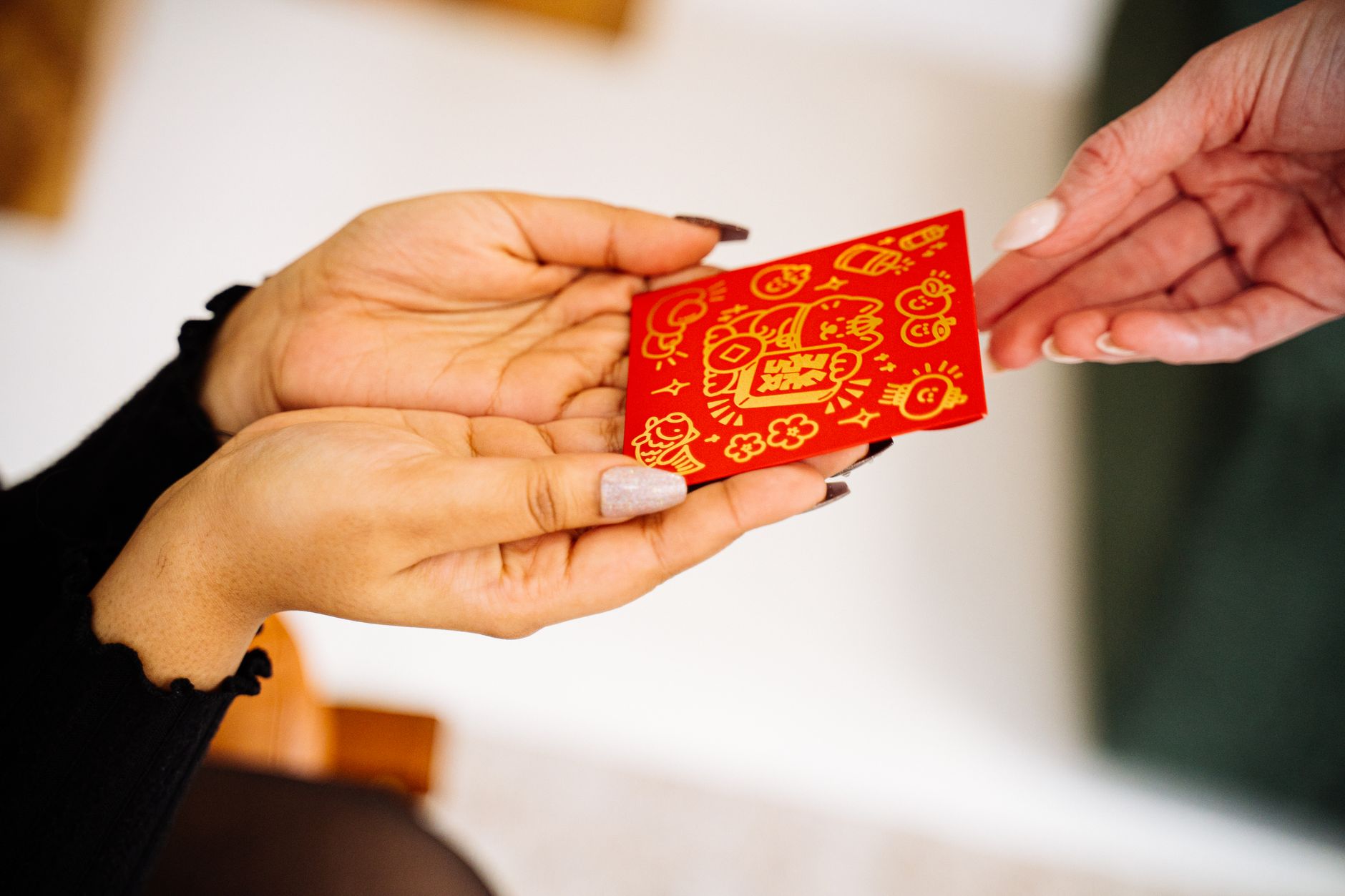
Gift-giving in China is not merely a social nicety — it is a structured ritual that maintains and builds the guanxi (关系, relationships/connections) that underpin personal and business life. Gifts given at the right moment with the right item communicate respect, awareness, and reciprocity. Gifts given with cultural errors — the wrong item, the wrong number of items, the wrong color — communicate the opposite, even when the intent was positive. Knowing the rules transforms giving from a potential liability into a genuine relationship-building tool.
Prefer it handled end to end? Browse our private China tours.
When to Give Gifts
- Visiting someone's home — always bring something. Food (fruit, cakes, high-quality packaged goods from your home country), alcohol (good wine or spirits), or premium tea are all appropriate.
- Lunar New Year — the primary gift-giving season. Red envelopes (红包, hóngbāo) with cash are the standard between adults and children/unmarried younger people; food and alcohol are given between adults.
- Weddings — cash in a red envelope, contributed to a common fund. The appropriate amount depends on your relationship and the banquet cost; ¥500–2,000 is a common range.
- Business meetings — bringing a small gift from your home country (specialty food, branded merchandise from a recognized institution, quality local product) is appreciated at first meetings and relationship-building occasions. Not at every meeting.
- Birthdays — common to give. Note that birthday gifts are given as a matter of personal relationship, not universal rule — Chinese birthday celebrations are less universally observed than Western ones.

What Not to Give: The Taboo List
| Avoid | Why |
|---|---|
| Clocks | 送钟 (sòng zhōng, "giving a clock") = 送终 (sòng zhōng, "attending a deathbed"). The most serious gift taboo. |
| Pears | 梨 (lí, "pear") sounds like 离 (lí, "to separate"). Giving pears to a couple is particularly inauspicious. |
| Green hats or green-colored caps | "Wearing a green hat" (戴绿帽子) is a Chinese idiom for being cheated on by a partner. |
| Shoes | Can imply you want the recipient to "walk away" from you. |
| Umbrellas | 伞 (sǎn, "umbrella") sounds like 散 (sàn, "to scatter/separate"). Avoid in romantic contexts. |
| Items in quantities of 4 | 4 (四, sì) sounds like "death" (死, sǐ). Give in pairs (2), threes, or eights — never fours. |
| White flowers (especially chrysanthemums) | White is the color of mourning in China. White flowers are funeral offerings. Red, yellow, and pink flowers are appropriate for celebrations. |
| Knives or scissors | Symbolically "cutting" the relationship. |
What Makes a Good Gift: By Recipient and Context
For a Host Family (Visiting Someone's Home)
- Premium quality tea from your home country or a famous Chinese tea region
- Specialty foods or sweets from where you come from — items with distinctive regional identity are particularly valued
- Good wine (French wine carries strong prestige in China), Japanese whisky, or Scotch whisky
- Fresh fruit in a presentation box — especially premium varieties (grapes, mangoes, high-quality domestic fruits)
For Business Contexts
- Items from reputable international brands with strong recognition in China
- Quality products associated with your home region or country — demonstrating cultural pride
- Premium consumables (food, drink) rather than durable items that sit on shelves
- Avoid: excessively expensive gifts at initial meetings (this can create obligation discomfort), or gifts that could be interpreted as bribes in a corporate context
For Children
- Educational toys, books, or learning materials are highly valued — Chinese parenting culture places enormous emphasis on education
- Snacks and sweets from your home country
- Red envelopes with appropriate cash amounts during Lunar New Year
Presentation and Receiving
Present with both hands. The two-handed offering applies to gifts, business cards, food, and any item passed with intentionality. Single-handed giving is careless; two-handed is respectful.
Wrap in red or gold for festive occasions; avoid white and black wrapping paper. The wrapping communicates the mood of the gift as much as its contents.
Expect the gift not to be opened immediately. Setting the gift aside to open later, after guests have left, is common — it prevents the awkwardness of reacting inadequately to an unexpected item. If you see this happen, it is not disinterest; it is courtesy.
Declining a gift at first is polite, not sincere. It is customary to refuse a gift once or twice before accepting. Insist gently a second or third time if your gift is declined — and accept the third time with good grace when you are in the receiving position.
Gift-giving connects directly to the face dynamics covered in our China etiquette guide — generosity is face-enhancing for the giver, and receiving well is face-preserving for both parties.
ChinaTourly Planning Note
We treat this topic as a practical planning issue, not a generic travel tip. Before we recommend a route, our team checks the traveler's arrival city, season, mobility level, payment setup, language needs, and whether the experience requires advance local coordination.
Official planning references
Plan this with a China-based team
If this topic affects your route, timing, payment setup, dietary needs, or family logistics, tell us what kind of China trip you are considering. ChinaTourly can turn the research into a private itinerary with English-speaking support, local transport, and practical pre-trip preparation.
Frequently Asked Questions
Is this guide enough to plan Chinese Gift-Giving Customs: What to Give, What to Avoid on my own?
It can help you understand the basics, but travel in China often depends on timing, local rules, payment setup, language support, and transport logistics. For a private trip, we turn the guide into a day-by-day plan with local support.
When should I start planning a private China trip?
For a simple city route, two to three months is usually workable. For culture-heavy routes, heritage workshops, family travel, Tibet, Yunnan, or festival timing, three to six months gives more room to secure better guides and smoother logistics.
Can ChinaTourly customize this around my budget and travel style?
Yes. ChinaTourly designs private, tailor-made journeys for English-speaking travelers. We can adjust pace, hotels, guides, transport, food requirements, and cultural access around your party instead of forcing you into a fixed group itinerary.
Turn this into a real trip — we design private China journeys end to end.
Explore our signature private journeys → · Beijing Wall Walk + Hutong Deep →


