


ChinaTourly Planning Note
We treat this topic as a practical planning issue, not a generic travel tip. Before we recommend a route, our team checks the traveler's arrival city, season, mobility level, payment setup, language needs, and whether the experience requires advance local coordination.
Prefer it handled end to end? Browse our private China tours.
Official planning references
Plan this with a China-based team
If this topic affects your route, timing, payment setup, dietary needs, or family logistics, tell us what kind of China trip you are considering. ChinaTourly can turn the research into a private itinerary with English-speaking support, local transport, and practical pre-trip preparation.
Frequently Asked Questions
Is this guide enough to plan How Much Cash to Bring to China: A Practical 2026 Guide on my own?
It can help you understand the basics, but travel in China often depends on timing, local rules, payment setup, language support, and transport logistics. For a private trip, we turn the guide into a day-by-day plan with local support.
When should I start planning a private China trip?
For a simple city route, two to three months is usually workable. For culture-heavy routes, heritage workshops, family travel, Tibet, Yunnan, or festival timing, three to six months gives more room to secure better guides and smoother logistics.
Can ChinaTourly customize this around my budget and travel style?
Yes. ChinaTourly designs private, tailor-made journeys for English-speaking travelers. We can adjust pace, hotels, guides, transport, food requirements, and cultural access around your party instead of forcing you into a fixed group itinerary. To learn more, see our China payments guide for tourists.
Practical Cash Strategy for Private Travelers
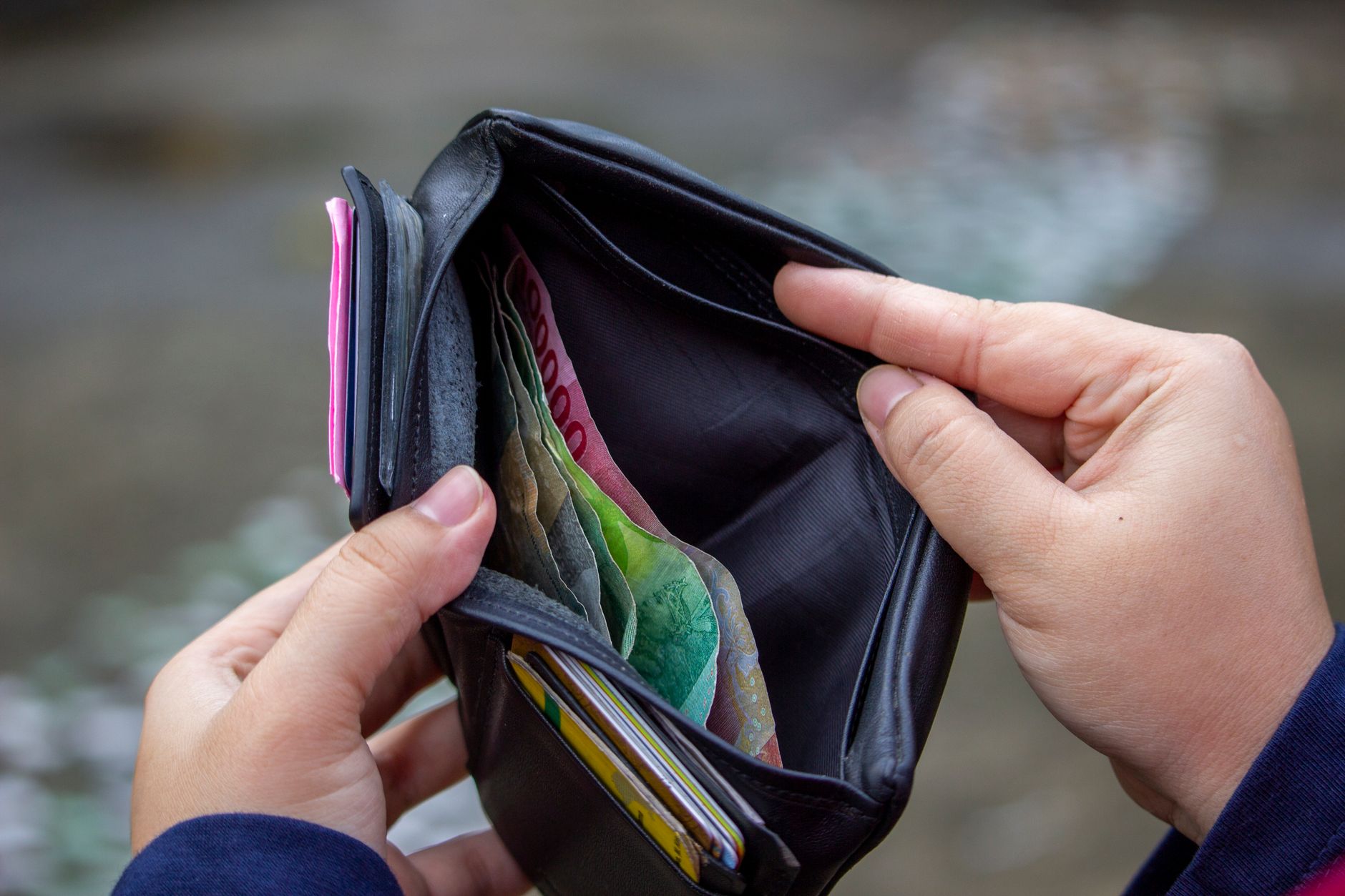
For most private travelers, cash is a backup rather than the main payment method. The safer approach is to arrive with a small RMB reserve, set up Alipay and WeChat Pay before departure, and keep one international card available for hotels or emergency situations. Your exact cash need depends on where you travel: Shanghai and Beijing are highly cashless, while small markets, villages, and older vendors may still be easier with notes.
We normally advise travelers not to carry large amounts of cash across multiple cities. A private guide can help identify reliable ATMs, explain when mobile payment is more practical, and prevent small payment friction from turning into a travel delay. Families, elderly travelers, and guests with strict dietary plans should also keep a small reserve for taxis, pharmacy stops, and unexpected schedule changes.
How Much Cash We Usually Plan For
For a first arrival day in China, a small reserve of 500 to 1,000 RMB is usually enough for practical friction: a taxi queue, a snack stop, a pharmacy purchase, or a vendor who prefers notes. For a longer private trip, the better strategy is not to carry more cash, but to make sure your mobile payments, bank cards, and emergency backup are all prepared before departure. For full details, visit our how to pay in China.
For guests traveling outside major cities, we check the route before advising a cash amount. A village market in Yunnan, a family restaurant in Guizhou, or a small temple town may work differently from a hotel lobby in Shanghai. That is why cash advice should follow the itinerary, not a generic rule. ChinaTourly guests receive payment preparation notes before travel so the first day is not spent solving basic logistics.
Families and elderly travelers should also think about who carries the backup cash. Splitting a small reserve between two adults is usually safer than keeping everything in one wallet. We also recommend keeping cash separate from passports and primary cards. The goal is simple: enough flexibility to handle small offline moments, never so much cash that it becomes a security concern.
Cash, Cards, and Mobile Payment by Travel Style
A solo traveler moving between Beijing, Shanghai, and Xi'an can usually rely on mobile payment once setup is complete. A family traveling with children or elderly parents needs more redundancy because one phone battery, one blocked SMS verification, or one card authentication failure can slow down the entire day. For these guests, we plan payment backup the same way we plan train buffers and restaurant reservations.
For cultural routes, cash planning changes again. A tea workshop, village market, or small family-run restaurant may accept mobile payment, but a foreign visitor may still need help scanning the right code, confirming the amount, or understanding whether a deposit is expected. The issue is rarely the amount of cash itself. The issue is whether the traveler has a local person who can remove friction before it becomes embarrassing or time-consuming. Get the complete picture at our complete guide to money in China.
We also separate spending cash from tipping expectations. China is not a tipping-first travel culture, and many visitors carry too much cash because they assume every guide, driver, and hotel porter expects gratuities. For private ChinaTourly journeys, service expectations are discussed before travel so guests are not forced to guess on the ground. That clarity matters more than carrying another stack of notes.
Before departure, build a simple three-layer setup: one mobile payment app ready to use, one international card that has been travel-notified, and one small RMB reserve split between two safe places. That is enough for most high-end private trips, and it keeps the focus where it belongs: the journey, not the payment counter.
Final Pre-Departure Check
Two days before departure, test the card linked to your payment app, confirm that your bank will not block China transactions, and save your guide or travel planner contact offline. These small checks prevent the most common first-day payment problems.
For longer routes, we also recommend taking a photo of the cash you carry and recording the approximate amount in your private travel notes. It sounds small, but it helps families stay organized across hotel changes, train transfers, and multiple bags.
Turn this into a real trip — we design private China journeys end to end.
Explore our signature private journeys → · Beijing Wall Walk + Hutong Deep →


