


Key Takeaways
- China's best shopping is not in tourist markets. The Silk Market in Beijing and Yuyuan Bazaar in Shanghai are convenient but represent the highest prices and lowest authenticity you will encounter. The best purchases come from specialist producers, regional markets, and established traditional craft shops.
- Tea, silk, porcelain, and traditional handicrafts are the four categories where China still offers genuinely superior quality at better prices than anywhere else in the world. Jade, traditional Chinese medicine, and contemporary art are valuable but require more knowledge to buy well.
- Bargaining is expected in traditional markets but not in established shops. The rule: if there is a price tag on the shelf and a cash register at the counter, the price is fixed. If a vendor quotes a price verbally, it is a starting point.
- Counterfeit goods are widespread. Luxury brand bags, electronics, clothing, and art at implausibly low prices are fake. This is not a gray area — purchasing counterfeit goods is illegal in China and may cause problems at customs on return to your home country.
- Mobile payment makes shopping significantly easier — see our payments guide for setup before arrival.
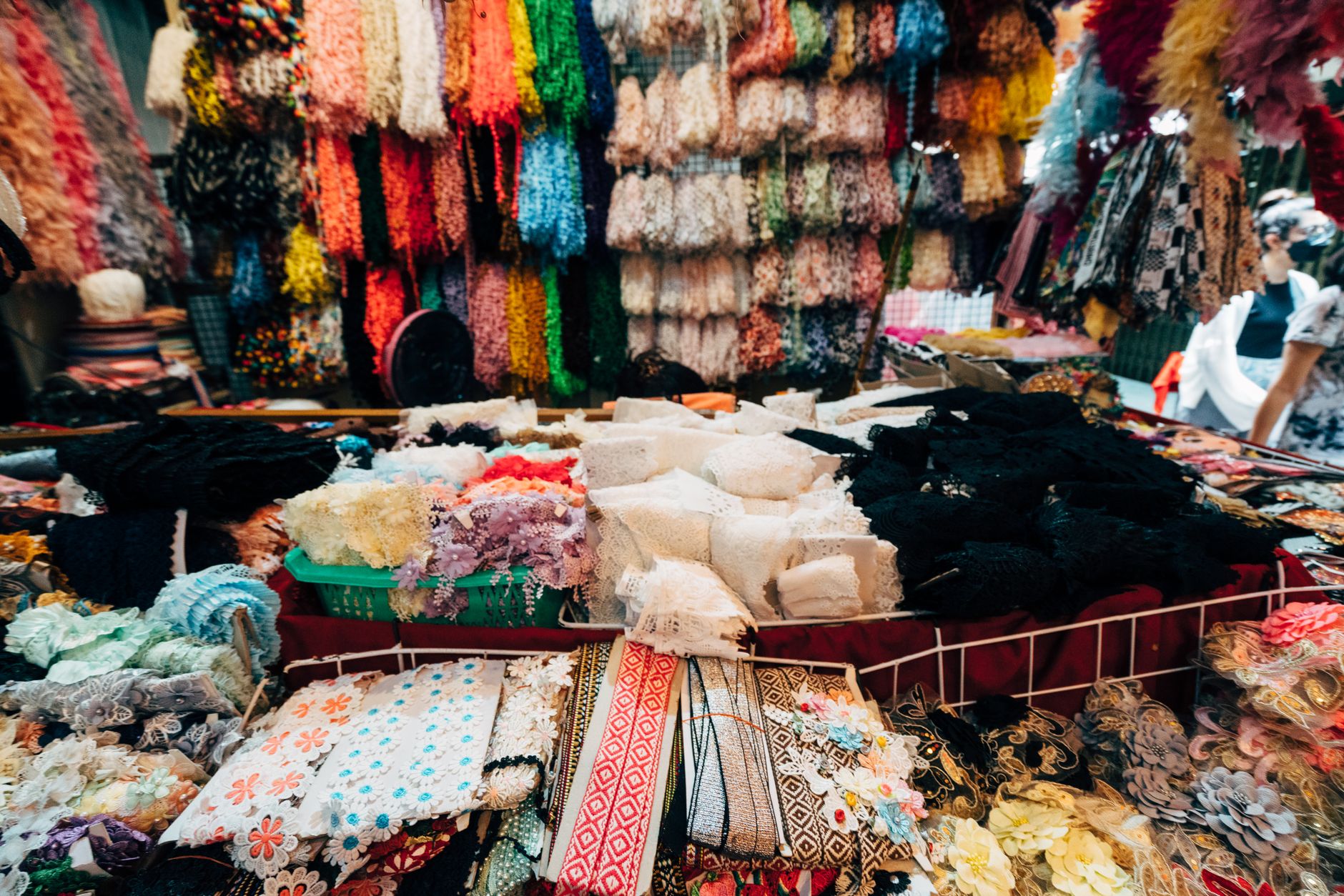
China is simultaneously one of the world's best shopping destinations and one of its most challenging for unprepared visitors. The best purchases — hand-stitched Suzhou embroidery, Yixing teapots from the region's specific clay, aged Pu'er tea from Yunnan, hand-knotted silk carpets from Xinjiang — are genuinely extraordinary objects at fair prices that cannot be replicated outside China. The worst purchases — "antiques" that were made last week, "jade" that is plastic, "silk" that is polyester — are traps that experienced travelers know to avoid. This guide helps you find the former and recognize the latter.
Prefer it handled end to end? Browse our private Beijing tours.
What China Does Best: The Five Categories Worth Buying
1. Tea
China produces approximately 3 million metric tons of tea annually across dozens of varieties. Buying tea in China — particularly in the regions where specific teas originate — offers quality and variety unavailable elsewhere at any price. Full guidance in our China tea buying guide.
What to buy by destination:
- Hangzhou: Longjing (龙井, Dragon Well) green tea — the most prestigious Chinese green tea. Buy from the Longjing village area directly, where farmers sell their own harvest. The designation "Premium Grade" (特级) from the original production area commands significant prices and is worth paying.
- Yunnan: Pu'er (普洱) tea — fermented and aged tea that improves like wine. Young Pu'er (生普, shēng pǔ) and aged Pu'er (熟普, shú pǔ) are distinct products. Aged Pu'er cakes from recognized mountains (Bulang, Jingmai, Yiwu) retain value; generic mass-market versions do not.
- Wuyi Mountains, Fujian: Rock oolong teas (岩茶, yán chá) — among the world's most complex teas. Da Hong Pao (大红袍) is the most famous; the original mother bushes produce only grams annually and command extraordinary prices. Legitimate rock oolongs from reputable Wuyi vendors are a worthwhile splurge.
- Huangshan, Anhui: Huangshan Maofeng (黄山毛峰) green tea — delicate, orchid-fragrant, best drunk in the spring after the year's first harvest.
Buying reliably: Tea specialty shops with visible production certificates and staff who can brew samples are the safest purchase environment. Avoid tea from airport souvenir shops (overpriced) and street-side market stalls in tourist areas (quality variable). Tea markets in each city — Maliandao Tea Market in Beijing, the tea markets in Hangzhou's Longjing district — give access to wholesale-price variety.
2. Silk
China produces approximately 80% of the world's raw silk. The best silk products — woven fabric, bedding, scarves, and qipao (traditional dress) — are extraordinary quality at prices well below European luxury equivalents. Full detail in our silk shopping guide.
Where to buy well:
- Suzhou: China's traditional silk capital, 45 minutes from Shanghai by G-train. The Suzhou Silk Museum and the Suzhou No. 1 Silk Factory are the most reputable sources. Silk products here carry provenance documentation and quality certification.
- Hangzhou: The other major silk-producing city. The China National Silk Museum in Hangzhou has an attached shop selling certified products. The Qinghefang Historic Street has quality silk shops alongside tourist stalls — learn to distinguish them.
- The Silk Market, Beijing: Convenient location, but primarily a tourist market with prices inflated for bargaining. Everything here requires negotiation; quality ranges from excellent to fraudulent. Know what you want before you enter.
Identifying real silk: The burn test is definitive — real silk burns like hair (self-extinguishing, charred ash that crumbles), while polyester burns with black smoke and melts. Ask for a sample thread to test. For significant purchases (bedding, tailored clothing), use established shops with certification rather than market stalls.
3. Porcelain and Ceramics
China has produced fine porcelain for over 1,000 years; the English word "china" derives from the country's position as the world's porcelain source. Full guide in our porcelain shopping section.
Where to buy well:
- Jingdezhen, Jiangxi Province: The porcelain capital of China since the Song Dynasty. Contemporary artisans and traditional workshops coexist in a city entirely dedicated to the craft. The Tao Xi Chuan creative area has established studios where artists sell direct. Buying in Jingdezhen bypasses middlemen; prices for artist-made work are often 30–50% of equivalent gallery prices in Beijing or Shanghai.
- Yixing, Jiangsu Province: The source of zisha (紫砂, "purple clay") teapots — the earthenware used for Chinese Gongfu tea ceremony. Yixing teapots are made from specific local clay found only in this region; genuine Yixing ware retains heat differently from any other material and develops a patina with use. The market for fakes is substantial — buy from established artisans with a studio address.
- General porcelain souvenir quality: Blue-and-white porcelain in the tourist markets of Beijing and Xi'an is mass-produced but can be attractive at low prices. Distinguish by price — handpainted work takes hours and cannot be produced for ¥50.
4. Traditional Handicrafts by Region
China's regional craft traditions provide the most distinctive and culturally specific shopping opportunities:
- Beijing: Cloisonné enamel (景泰蓝, jǐngtài lán), carved lacquerware, traditional Chinese knot accessories, Beijing opera masks and face-painting sets
- Xi'an: Tang Sancai (三彩) ceramic reproductions of Tang Dynasty figurines, shadow puppets (皮影, pí yǐng), locally woven cloth in Qin Dynasty-era patterns
- Yunnan: Bai tie-dye fabric (扎染, zhā rǎn) from Dali, Naxi Dongba paper products, silver jewelry from Lijiang (the Naxi and Bai silver-working traditions are among China's finest), woven textiles from ethnic minority communities
- Suzhou: Hand-embroidered silk panels (苏绣, Sū xiù) — the finest examples take months to complete and depict landscapes and portraits in silk thread. Established embroidery studios (not tourist market stalls) sell work with artist attribution and process documentation.
5. Contemporary Chinese Art
Beijing's 798 Art District and Shanghai's M50 Creative Park represent China's contemporary art scene at its most accessible. Galleries here sell work from emerging and mid-career Chinese artists at prices that remain modest compared to established international art markets. Buying art directly from gallery exhibitions rather than from street vendors near tourist sites is both more authentic and legally cleaner for export.

Where to Shop: Honest Assessment by Venue Type
Traditional Markets: Negotiate Everything
Beijing Panjiayuan Antique Market (潘家园旧货市场) operates every weekend and is the largest antiques and collectibles market in China. The range spans genuine Cultural Revolution memorabilia, Republican-era propaganda posters, Mao-era porcelain, calligraphy materials, and jade — alongside reproductions of varying quality. Bargaining is mandatory; prices quoted to foreign visitors start at 3–5× the selling price. The atmosphere alone justifies a visit regardless of purchase intent. Full bargaining strategy in our bargaining guide.
Department Stores: Fixed Price, Reliable Quality
Shanghai's Nanjing Road department stores (Isetan, PLT, Raffles City) and Beijing's Wangfujing shopping corridor carry Chinese brands and international brands at fixed prices. For traditional Chinese products at verified quality — particularly tea, silk, and ceramics — the National Craft chains (中国工艺美术) in major cities maintain reliable standards with fixed pricing and English-speaking staff.
Producer-Direct: Best Value
Buying directly from the producer — tea farmers in Longjing, ceramic artists in Jingdezhen, embroidery studios in Suzhou — provides the best combination of quality verification and fair pricing. This requires more planning but is possible for most serious craft categories.
The Counterfeit Problem: What to Know
China's major tourist markets (Silk Market Beijing, South Bund Fabric Market Shanghai, Yuyuan Bazaar Shanghai) contain both genuine goods and counterfeits. The counterfeit categories most commonly encountered by tourists:
- Luxury brand goods: Bags, wallets, belts, clothing with designer logos. The quality ranges from visibly poor to genuinely good replicas. All are illegal to import into most Western countries — customs confiscation is common.
- "Antiques" of recent manufacture — new items artificially aged. The rule: anything over 100 years old requires an official cultural relics inspection certificate to be legally exported. If an "antique" has no documentation, it either isn't old or can't be legally taken home.
- Electronics: Apple products and popular electronics brands are counterfeited extensively. Buy electronics from official brand stores (Apple has stores in major Chinese cities) or established retailers.
- Jade: Genuine nephrite jade (软玉, ruǎn yù) and jadeite (硬玉, yìng yù) are expensive. "Jade" at tourist market prices is almost certainly dyed quartzite, glass, or plastic. If jade is important to you, visit a specialist jeweler with certification rather than a market stall.
Shipping and Export
Large purchases can be shipped internationally via China Post's EMS service or international courier (DHL, FedEx, UPS have offices in major cities). For fragile items (porcelain, ceramics), professional packing services are available near major markets. Cultural relics (items over 100 years old) require official certification before export — verify this with the seller before purchase, not after. Most modern craft purchases have no export restrictions.
For the payment setup that makes shopping smoother — mobile payment for market stalls and local shops — our China payments guide covers Alipay and WeChat Pay configuration before arrival.
Further Reading in This Series
- What to Buy in China: The Best Souvenirs by Region
- China Tea Buying Guide: What to Buy and How to Avoid Fakes
- Silk Shopping in China: Suzhou, Hangzhou, and the Silk Market
- Antique Markets in China: Panjiayuan and the Art of Buying Old Things
- How to Bargain in China: The Rules, the Tactics, the Limits
ChinaTourly Planning Note
We treat this topic as a practical planning issue, not a generic travel tip. Before we recommend a route, our team checks the traveler's arrival city, season, mobility level, payment setup, language needs, and whether the experience requires advance local coordination.
Official planning references
Plan this with a China-based team
If this topic affects your route, timing, payment setup, dietary needs, or family logistics, tell us what kind of China trip you are considering. ChinaTourly can turn the research into a private itinerary with English-speaking support, local transport, and practical pre-trip preparation.
Frequently Asked Questions
Is this guide enough to plan Shopping in China: The Complete Strategy Guide on my own?
It can help you understand the basics, but travel in China often depends on timing, local rules, payment setup, language support, and transport logistics. For a private trip, we turn the guide into a day-by-day plan with local support.
When should I start planning a private China trip?
For a simple city route, two to three months is usually workable. For culture-heavy routes, heritage workshops, family travel, Tibet, Yunnan, or festival timing, three to six months gives more room to secure better guides and smoother logistics.
Can ChinaTourly customize this around my budget and travel style?
Yes. ChinaTourly designs private, tailor-made journeys for English-speaking travelers. We can adjust pace, hotels, guides, transport, food requirements, and cultural access around your party instead of forcing you into a fixed group itinerary.
Walk the Great Wall and the Forbidden City with a private guide, at your own pace.
Explore our private Beijing journeys → · Beijing Wall Walk + Hutong Deep →


