


Key Takeaways
- China's temple festivals are living religious events, not cultural performances. The pilgrims, monks, and worshippers at these events are participating in genuine devotional practice — visitors are welcome to observe respectfully.
- The best temple festivals for visitors are those where the audience includes both Chinese pilgrims and foreign visitors — not events so remote or restricted that foreign attendance is awkward. The recommendations below meet this standard.
- Tibetan Buddhist cham dances at major monasteries are among the most extraordinary spectacles in Asia. These masked ritual dances, performed during major festivals, are both artistically magnificent and spiritually significant — not tourist entertainment.
- Temple etiquette for these events follows the same rules as regular temple visits — covered in our temple etiquette guide.
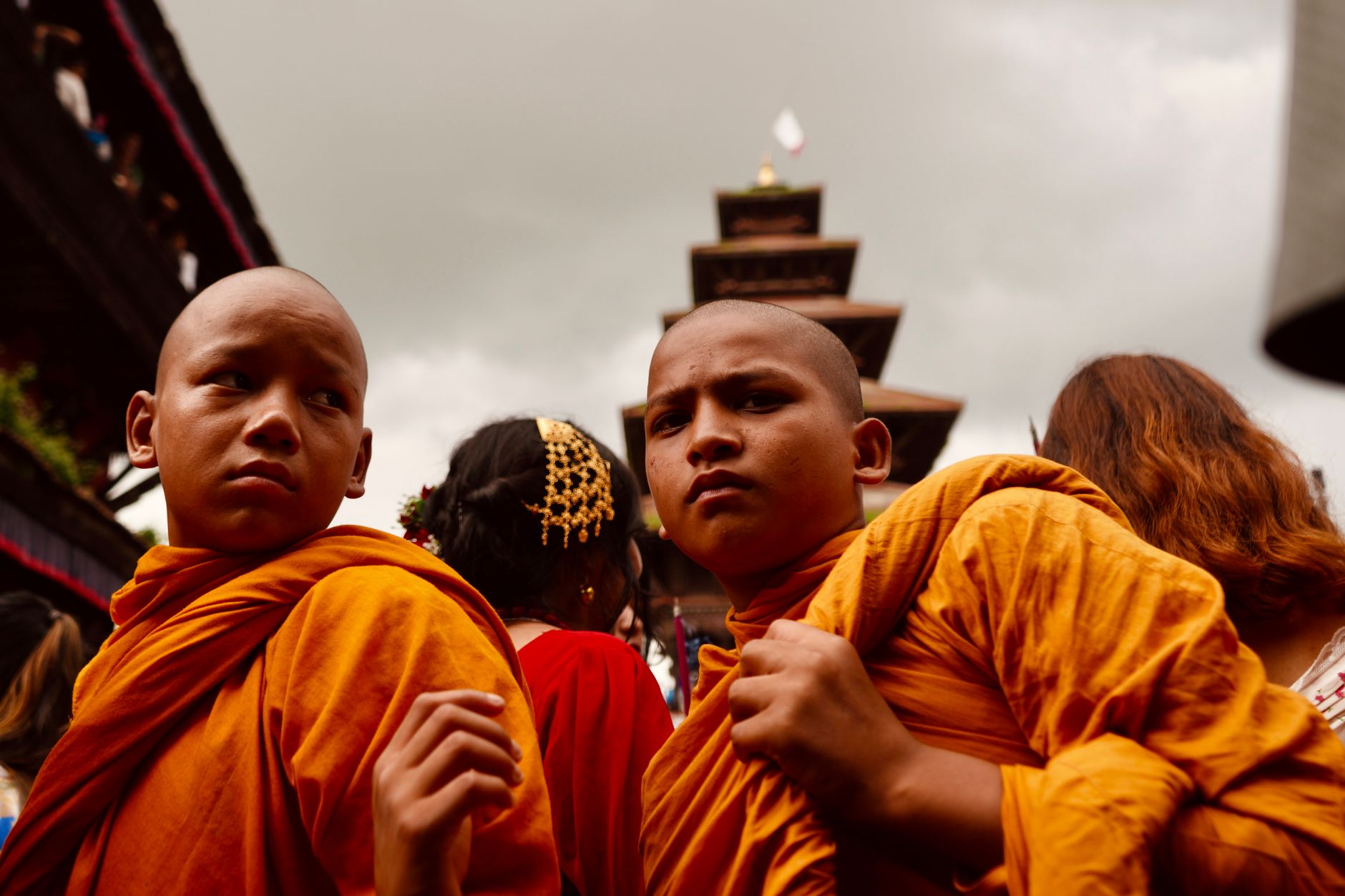
China has hundreds of temple fairs and festival events throughout the year, ranging from the vast urban celebrations at Beijing's Spring Festival temple fairs to intimate monastery rituals accessible only on foot in remote mountain terrain. For visitors, the distinction that matters is between events designed around tourism and events that continue their original religious function while welcoming observers. The most memorable experiences are firmly in the latter category — they require more planning to attend but deliver an entirely different quality of encounter.
Prefer it handled end to end? Browse our private China tours.
Tibetan Buddhist Monastery Festivals
Cham Dance Performances (跳神, Tiàoshén)
Cham (also romanized as "Chaam" or "Cham") are the sacred masked dances performed at Tibetan Buddhist monasteries during major festivals. Monks in elaborate costumes representing wrathful and peaceful deities dance in the monastery courtyard, performing ritual narratives that connect the community to Buddhist cosmology and protect against negative forces. The dances last all day; certain moments — the entry of specific deities, the symbolic destruction of obstacles — are the dramatic peaks.
Where to see cham in 2026:
- Kumbum (Ta'er) Monastery, Xining, Qinghai: One of the largest Gelug monasteries outside Tibet proper, and accessible without a Tibet Travel Permit. Major cham performances during Losar (February 28, 2026) and Saga Dawa. The monastery's butter sculpture festival (正月) in early March is equally spectacular — enormous three-dimensional butter sculptures created by monks over months, displayed for one night.
- Ganden Sumtseling Monastery, Shangrila, Yunnan: The largest Tibetan Buddhist monastery in Yunnan, modeled on Lhasa's Potala Palace. Major festivals in the Tibetan calendar; also accessible without Tibet permits.
- Labrang Monastery, Gansu Province: One of the six major Gelug monasteries, with the largest monastic population outside Tibet. The Monlam prayer festival (15 days after Tibetan Losar) includes cham dances, religious debates, and an extraordinary atmosphere as pilgrims from across the Tibetan plateau gather. Accessible by bus from Lanzhou.
The Monlam Prayer Festival
The Great Prayer Festival (大祈祷会, Mönlam Chenmo) was established by Tsongkhapa, the founder of the Gelug school, in 1409. It runs for two weeks after Losar and is the most important annual event in the Gelug monastic calendar. At Labrang Monastery in Gansu, Kumbum in Qinghai, and Ganden Sumtseling in Yunnan, the Monlam period brings thousands of pilgrims, intensive collective prayer, religious debates between monks, and major cham dance performances.
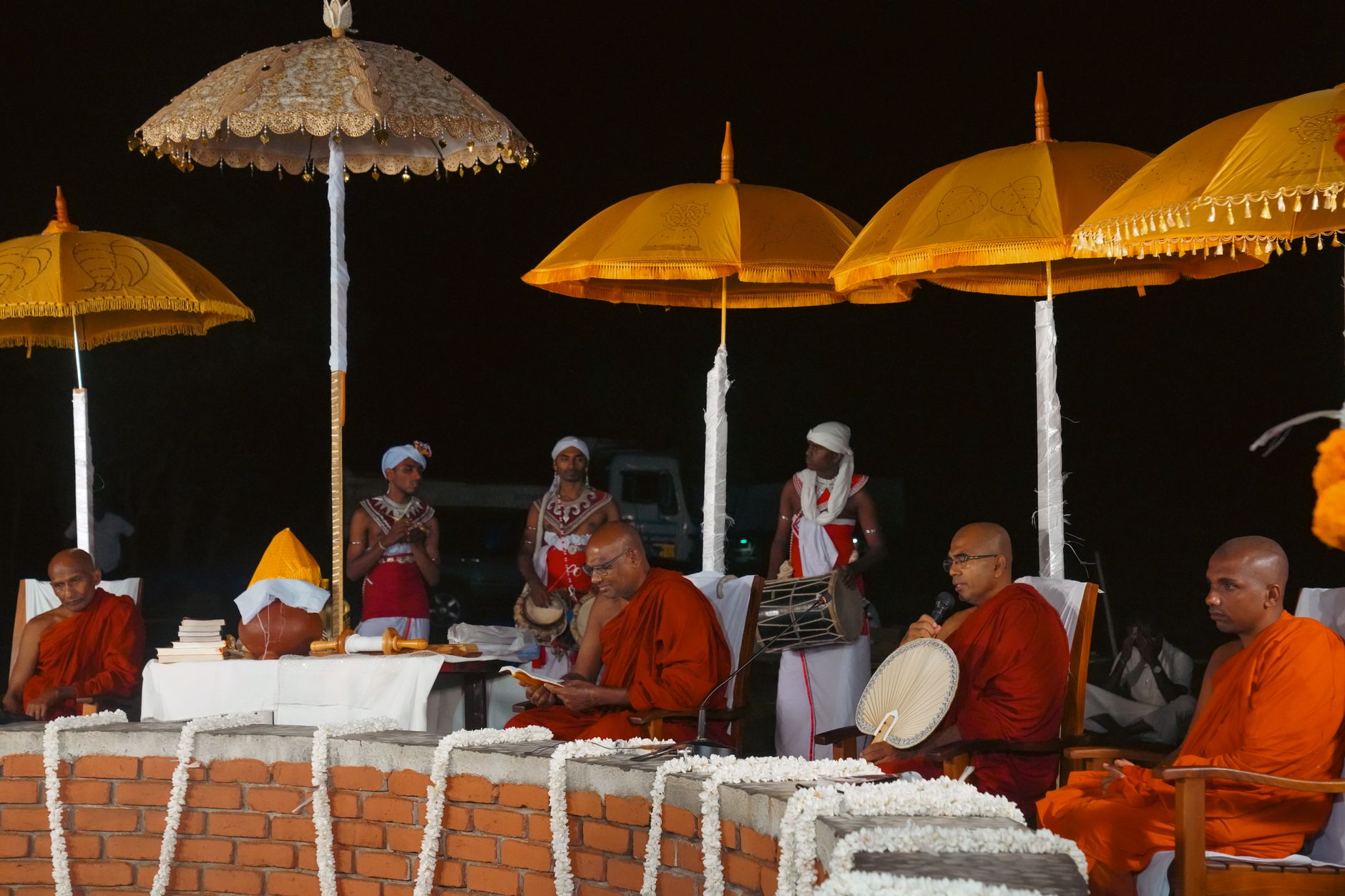
Han Buddhist Temple Events
Wutai Shan (五台山) — Shanxi Province
One of China's four sacred Buddhist mountains, Wutai Shan has been a pilgrimage destination since the 1st century CE and is dedicated to Manjushri, the Bodhisattva of wisdom. The mountain is accessible year-round; the summer months bring the most pilgrimage activity, but the high-altitude location (average elevation 2,000m) makes spring and autumn the most comfortable for visitors. The five peaks — each corresponding to a direction of the compass — each have their own monastery. The Tayuan Temple's white pagoda (白塔) is the visual symbol of the mountain.
Emei Shan (峨眉山) — Sichuan
The sacred mountain of Samantabhadra (Puxian Bodhisattva) in Sichuan, accessible as a day trip from Chengdu. The mountain has over 30 active monasteries on its slopes; the summit temple sits at 3,079m. The most spiritually significant time is on the birthday of Puxian (the 21st day of the 4th lunar month — approximately June 2026). The mountain is also famous for its endemic golden snub-nosed monkeys and its spectacular cloud inversions.
Taoist Festival Celebrations
Wudang Mountain (武当山) — Hubei Province
The sacred mountain of Taoism and the birthplace of Wudang martial arts (the origin of tai chi). The Taihe Palace on the summit was built in 1416 by the Yongle Emperor and is still an active Taoist site. The 9th day of the 3rd lunar month (approximately April 28, 2026) is the birthday of Xuantian Shangdi (the Supreme Emperor of the Dark Heaven) — the primary deity of Wudang — and draws Taoist pilgrims from across China. The mountain's UNESCO listing covers the entire complex of temples, palaces, and fortifications.
Mazu Festivals on the Fujian Coast
Mazu (妈祖), the sea goddess, is the most widely worshipped deity in coastal southeastern China, Taiwan, and among overseas Chinese communities. Her birthday (23rd day of the 3rd lunar month — approximately May 10, 2026) is celebrated at thousands of coastal temples. The Mazu Temple on Meizhou Island in Fujian Province is the original site of her veneration; the festival draws hundreds of thousands of pilgrims from China, Taiwan, and overseas Chinese communities globally. The atmosphere — fleets of fishing boats, elaborate processions, and the collective devotion of a community connected to the sea — is unlike anything in inland China.
Spring Festival Temple Fairs: The Accessible Entry Point
For visitors in China during Lunar New Year, the Spring Festival temple fairs (庙会) at Beijing's major parks are the most accessible religious festival events in China. They are not purely devotional — they combine folk religion, entertainment, street food, and cultural performance — but they represent an authentic tradition of communal celebration rooted in temple culture. Full guidance in our Chinese New Year travel guide.
The full cultural context for these events — understanding the traditions that make them meaningful rather than simply visually spectacular — is in our China festivals and ethnic culture guide. Temple behavioral norms for all these events are in our temple etiquette guide.
ChinaTourly Planning Note
We treat this topic as a practical planning issue, not a generic travel tip. Before we recommend a route, our team checks the traveler's arrival city, season, mobility level, payment setup, language needs, and whether the experience requires advance local coordination.
Official planning references
Plan this with a China-based team
If this topic affects your route, timing, payment setup, dietary needs, or family logistics, tell us what kind of China trip you are considering. ChinaTourly can turn the research into a private itinerary with English-speaking support, local transport, and practical pre-trip preparation.
Frequently Asked Questions
Is this guide enough to plan Temple Festivals in China: The Best Religious Celebrations for Visitors on my own?
It can help you understand the basics, but travel in China often depends on timing, local rules, payment setup, language support, and transport logistics. For a private trip, we turn the guide into a day-by-day plan with local support.
When should I start planning a private China trip?
For a simple city route, two to three months is usually workable. For culture-heavy routes, heritage workshops, family travel, Tibet, Yunnan, or festival timing, three to six months gives more room to secure better guides and smoother logistics.
Can ChinaTourly customize this around my budget and travel style?
Yes. ChinaTourly designs private, tailor-made journeys for English-speaking travelers. We can adjust pace, hotels, guides, transport, food requirements, and cultural access around your party instead of forcing you into a fixed group itinerary.
Turn this into a real trip — we design private China journeys end to end.
Explore our signature private journeys → · Beijing Wall Walk + Hutong Deep →


