


Key Takeaways
- China officially recognizes 56 ethnic groups, each with distinct languages, dress, festivals, and traditions. Han Chinese constitute 92% of the population; the remaining 8% — about 110 million people — represent extraordinary cultural diversity concentrated in Yunnan, Guizhou, Xinjiang, Tibet, and Inner Mongolia.
- Lunar New Year is the world's largest annual human migration — hundreds of millions of people travel home simultaneously. For visitors, it means transport chaos but extraordinary cultural events: temple fairs, lantern festivals, dragon dances, and fireworks that last for weeks.
- Timing your visit around a major festival transforms the experience of a destination. The Torch Festival in Yunnan, the Tibetan New Year, the Miao Sisters Festival in Guizhou — these events offer access to living cultural traditions that no museum can replicate.
- Minority culture tourism requires sensitivity. Yunnan and Guizhou have commercialized minority villages for tourism, with varying degrees of authenticity. Our Yunnan ethnic minorities guide distinguishes the authentic from the performative.
- The full festival calendar with 2026 dates is in our 2026 China festival calendar. The cultural context for planning around festivals is in our China trip planning guide.
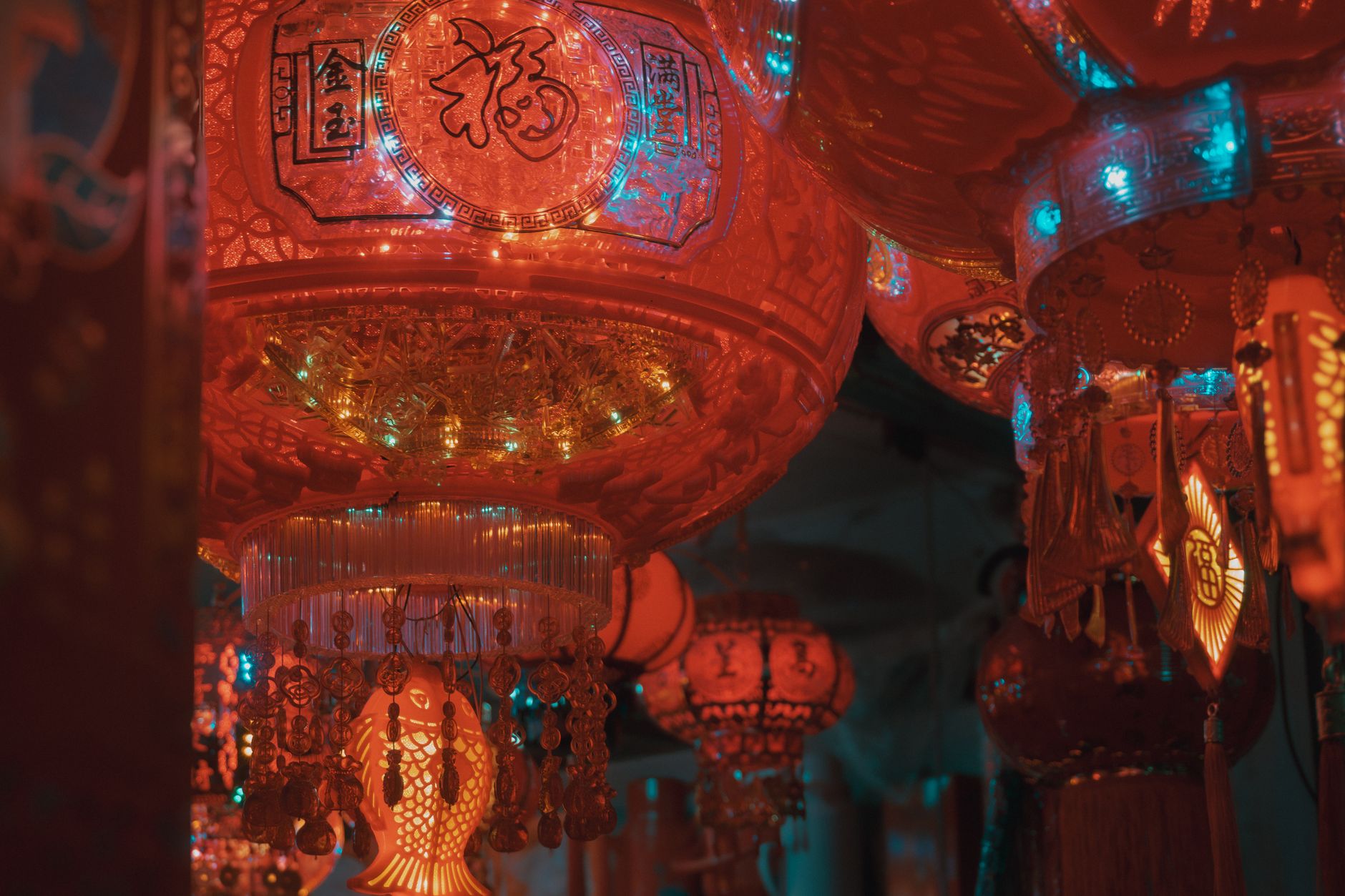
China's cultural calendar operates on two parallel systems: the Gregorian calendar used for business and government, and the Chinese lunisolar calendar that governs traditional festivals, ethnic minority celebrations, and the rhythms of rural life. Most of the events that matter most to visitors — the ones that create the experiences people describe years later — follow the lunisolar calendar. Understanding both systems, and knowing which festivals fall during your travel window, transforms a good trip into an extraordinary one.
Prefer it handled end to end? Browse our private China tours.
The Major Han Chinese Festivals
Lunar New Year (春节, Chūnjié) — January or February
The most important festival in Chinese culture, analogous in family and social significance to Christmas in the West but larger in its logistical impact. The holiday officially lasts 7 days (the Spring Festival Golden Week), but celebrations extend from the first to the fifteenth day of the first lunar month. The 2026 date: February 17.
What happens during Lunar New Year:
- Family reunion dinners (除夕年夜饭, chúxī niányèfàn) on New Year's Eve — the most important meal of the year. Extended families gather; dishes carry symbolic meaning (fish for prosperity, dumplings for wealth, nian gao glutinous rice cake for "advancing year by year")
- Red envelope gifting (红包, hóngbāo) — cash in red envelopes given to children and unmarried adults. Digital red envelopes via WeChat Pay have become the modern version.
- Temple fairs (庙会, miàohuì) — the outdoor markets and performances held at temples throughout the holiday. Beijing's Ditan, Longtan, and Chaoyang temple fairs are among the most atmospheric.
- Lantern Festival (元宵节, Yuánxiāojié) — the 15th day of the lunar month, marking the end of New Year celebrations. Glowing lanterns are displayed and released; riddles are written on lanterns. Pingyao in Shanxi Province has one of China's finest Lantern Festival celebrations.
- Fireworks and firecrackers — restricted in city centers in recent years for air quality reasons, but still dramatic in smaller cities and rural areas.
For visitors: the Spring Festival is a fascinating but logistically demanding time to be in China. Transport is under enormous strain in the week before and after the holiday. Major cities are quieter than usual (workers return home); tourist sites are less crowded than summer. Full planning guidance in our Chinese New Year travel guide.
Qingming Festival (清明节) — April 4–6
The tomb-sweeping festival, when Chinese families visit and clean the graves of ancestors. A time of quiet reflection rather than celebration — willow branches are traditionally carried, paper offerings are burned, and families gather at ancestral burial sites. For visitors, Qingming marks the beginning of spring across most of China; parks and gardens are at their most beautiful, and the somber family focus means major tourist attractions are less crowded than the weeks immediately before and after.
Dragon Boat Festival (端午节, Duānwǔjié) — June 2, 2026
Commemorating the death of the poet-statesman Qu Yuan, who drowned himself in the Miluo River in protest of corrupt government in 278 BCE. The legend holds that locals raced out in boats to search for his body — the origin of dragon boat racing. Today's festival involves competitive dragon boat races across China's river cities (Hangzhou, Guangzhou, Suzhou, and the Miluo River in Hunan are the most notable venues), and the eating of zongzi — sticky rice dumplings wrapped in bamboo leaves, with fillings ranging from dates and red bean paste to pork and egg yolk.
Dragon boat racing is one of China's most exciting spectator events. For visitors, arriving in a city with active races during Dragon Boat Festival is a genuinely memorable experience.
Mid-Autumn Festival (中秋节, Zhōngqiū jié) — October 6, 2026
The harvest festival, celebrated under the full moon with mooncakes (月饼, yuèbing) — dense round pastries with sweet or savory fillings, traditionally given as gifts. Families gather to view the moon together. West Lake in Hangzhou and the Moon Reflecting Pavilion in Suzhou are considered particularly atmospheric places to experience Mid-Autumn Festival.
Note: Mid-Autumn Festival in 2026 falls during Golden Week (October 1–7), making this year's holiday particularly significant and the travel and accommodation pressure particularly acute.
National Day Golden Week (国庆节, Guóqìng jié) — October 1–7
Not a cultural festival in the traditional sense, but the logistical reality that affects every visitor who travels in October. 1.5 billion people have the same week off. The planning implications are covered in our best time to visit China guide and our trip planning guide.

Tibetan Cultural Festivals
Tibet's Buddhist calendar generates a rich cycle of festivals concentrated around the major monasteries. Full context on Tibetan culture and customs is in our Tibetan culture guide.
Losar — Tibetan New Year
The most important festival in the Tibetan calendar, occurring in February or March (dates shift annually based on the Tibetan lunar calendar). Losar celebrations last up to 15 days at major monasteries — Tashilhunpo Monastery in Shigatse, Drepung and Sera Monasteries near Lhasa, and the Kumbum Monastery in Qinghai host some of the most spectacular celebrations. Giant thangka paintings are unfurled; monks perform cham dances in elaborate costumes and masks.
Important planning note: Tibet permits are typically not issued in the weeks surrounding Losar. Plan accordingly — do not build a Tibet itinerary around this date without confirming current permit availability with a Tibet-specialist operator.
Saga Dawa Festival
The most sacred month in the Tibetan Buddhist calendar, commemorating the birth, enlightenment, and death of the Buddha. The 15th day (full moon) of the fourth Tibetan lunar month is the holiest — thousands of pilgrims circumambulate Lhasa's Barkhor Street and the Jokhang Temple. The Tarboche flagpole ceremony near Mount Kailash draws pilgrims from across the Tibetan plateau.
Yunnan and Southwest China: Minority Festival Calendar
Yunnan Province hosts some of China's most distinctive ethnic festival experiences. The key events — all explained in detail in our Yunnan ethnic minorities guide:
Yi Torch Festival (火把节, Huǒbǎ Jié) — Late July/August
The Yi people's most important festival, celebrated across Yunnan, Sichuan (Liangshan Yi Autonomous Prefecture), and Guizhou. On the third day of the sixth lunar month, torches are lit at dusk and carried through villages in processions that last through the night. The Xichang Torch Festival in Sichuan's Liangshan Prefecture is the largest — tens of thousands of torches create a spectacle visible from miles away.
Dai Water Splashing Festival (泼水节, Pōshuǐ jié) — Mid-April
The Dai people's New Year celebration, observed in Yunnan's Xishuangbanna Prefecture and Dehong Prefecture. For three days in mid-April, water is poured or splashed on others as a blessing — the more thoroughly soaked you are, the more good fortune is being wished upon you. This is a fully participatory festival; arrive expecting to get wet. Traditional Dai dances, long-boat racing on the Lancang River, and the release of lanterns into the river mark the celebration.
Miao Sisters Festival (苗族姊妹节) — March/April
Celebrated in Guizhou Province's Taijiang County, this festival is one of the most extraordinary traditional events in China. Young Miao women dress in silver headdresses and intricate embroidered clothing, and the festival serves as a formal occasion for young people to meet potential partners. The scale of the silver jewelry worn — headdresses alone can weigh several kilograms — makes it one of the most visually dramatic festivals in Asia.
Naxi Dongba Culture — Lijiang, Yunnan
The Naxi people of Lijiang have preserved a living pictographic writing system — Dongba script — that is the world's only still-used hieroglyphic language. Lijiang Old Town, a UNESCO World Heritage Site, is the center of Naxi culture. The Dongba Cultural Research Institute in Lijiang is the best place to encounter this tradition seriously rather than touristically.
Muslim Festivals: Xinjiang and the Hui Communities
China's Muslim population celebrates Eid al-Fitr (开斋节, Kāizhāi jié) and Eid al-Adha (古尔邦节, Gǔ'ěrbāng jié) with particular fervor in Xinjiang and in Hui communities throughout the country. Xi'an's Muslim Quarter is the most accessible location for Han Chinese visitors to experience Islamic festival culture — the quarter's mosques hold major prayers during Eid, and the surrounding streets fill with celebrants.
Kashgar's Eid al-Adha celebrations, centered around the Id Kah Mosque (the largest mosque in China), are considered the most spectacular in the country — but Xinjiang travel requires specific planning and an understanding of current travel conditions that differs from other regions of China.
The 2026 Festival Calendar for Planning Purposes
The full month-by-month calendar with exact 2026 dates — including minor festivals, temple fairs by city, and minority festivals by region — is in our 2026 China festival calendar. The key planning principle: festivals that fall on the itinerary you are already planning are worth building around; detours of 3+ days specifically to attend a festival are worth making for the Torch Festival, Dai Water Splashing, and major Tibetan monastery festivals.
Further Reading in This Series
- Chinese New Year Travel Guide: What to Expect and Where to Go
- Tibetan Culture & Customs: What Visitors Need to Know
- Yunnan's Ethnic Minorities: Dai, Naxi, Yi, Bai, and Beyond
- China Festival Calendar 2026: Dates, Locations, and What to Expect
- Temple Festivals in China: The Best Religious Celebrations for Visitors
Official planning references
Plan this with a China-based team
If this topic affects your route, timing, payment setup, dietary needs, or family logistics, tell us what kind of China trip you are considering. ChinaTourly can turn the research into a private itinerary with English-speaking support, local transport, and practical pre-trip preparation.
Frequently Asked Questions
Is this guide enough to plan China Festivals and Ethnic Culture: The Complete Guide on my own?
It can help you understand the basics, but travel in China often depends on timing, local rules, payment setup, language support, and transport logistics. For a private trip, we turn the guide into a day-by-day plan with local support.
When should I start planning a private China trip?
For a simple city route, two to three months is usually workable. For culture-heavy routes, heritage workshops, family travel, Tibet, Yunnan, or festival timing, three to six months gives more room to secure better guides and smoother logistics. For travellers planning the wider region, see a private journey through Tibet. For a full route through the province, see a private journey through Yunnan.
Can ChinaTourly customize this around my budget and travel style?
Yes. ChinaTourly designs private, tailor-made journeys for English-speaking travelers. We can adjust pace, hotels, guides, transport, food requirements, and cultural access around your party instead of forcing you into a fixed group itinerary.
Turn this into a real trip — we design private China journeys end to end.
Explore our signature private journeys → · Beijing Wall Walk + Hutong Deep →


