


Key Takeaways
- Tibet is a living culture, not a museum. The monasteries, prayer rituals, and festivals you encounter are the daily practice of a community — not a performance for visitors. The appropriate attitude is that of a respectful guest.
- Always walk clockwise around stupas, prayer wheels, and monasteries. This is the direction of religious circumambulation in Tibetan Buddhism; walking counterclockwise is a significant show of disrespect.
- Tibet requires specific entry documentation. The Tibet Travel Permit is mandatory for all foreign visitors — no permit, no entry, regardless of how you try to get there. Arrange 6–8 weeks in advance through a licensed Tibet travel agency. See our trip planning guide.
- Altitude is a physical reality, not a risk to manage away. Lhasa at 3,650m affects virtually every visitor. Plan your cultural activities around acclimatization, not despite it. See our altitude sickness guide.
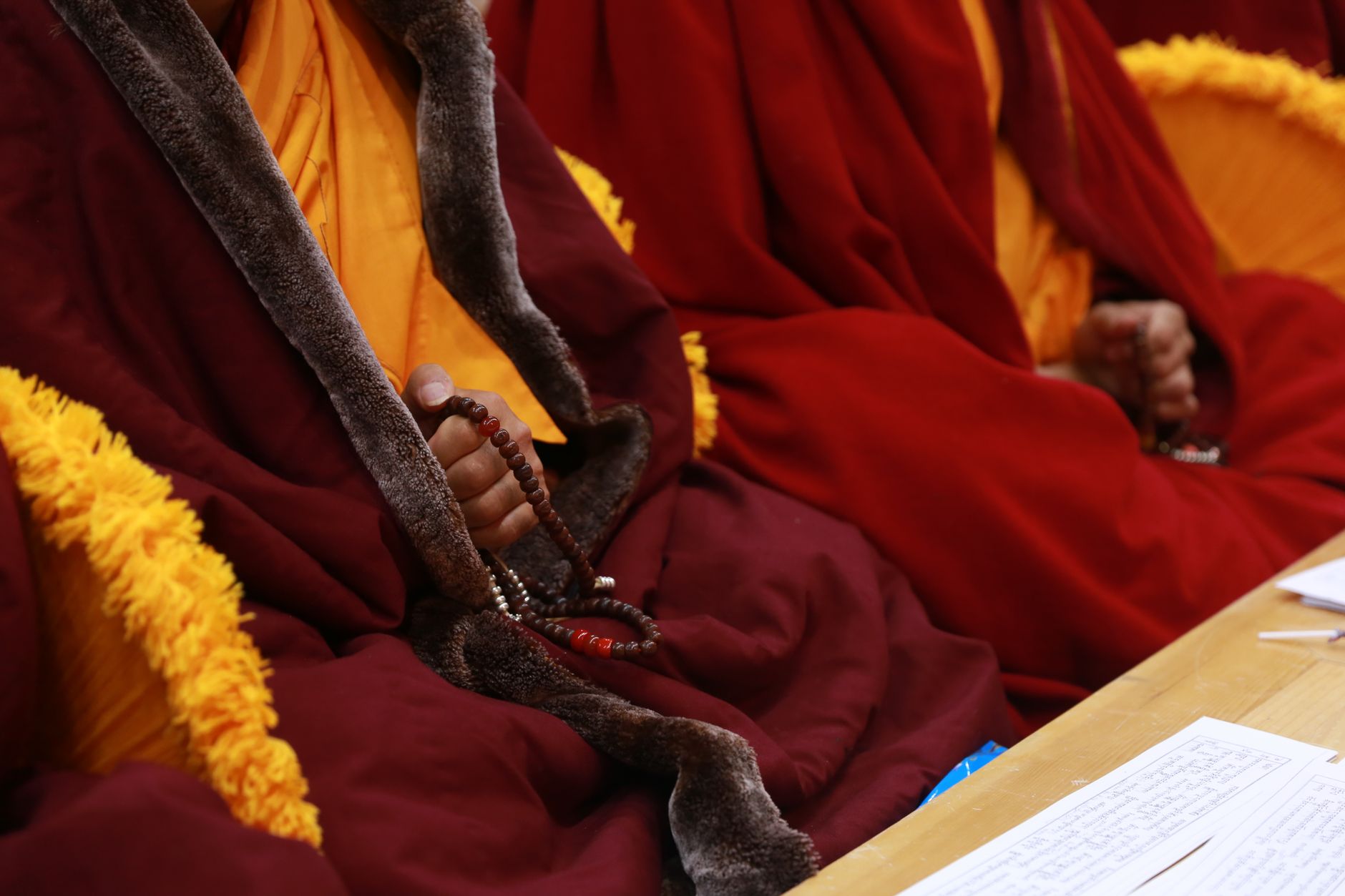
Tibetan culture is one of the most coherent and distinct civilizations in Asia — a tradition that has maintained its essential character across centuries of political upheaval by embedding itself in the daily lives of its people through religious practice, art, language, and relationship with the extraordinary landscape of the world's highest plateau. Visiting Tibet as a foreign tourist is a privilege that requires genuine preparation — cultural, logistical, and physical. This guide covers the cultural dimension; the logistics and altitude preparation are in our linked guides.
Prefer it handled end to end? Browse our private Tibet tours.
Tibetan Buddhism: The Foundation of Everything
Tibetan Buddhism (Vajrayana Buddhism) is not primarily a religion in the Western sense of a set of beliefs — it is a comprehensive way of life that structures daily time, social relationships, food, art, architecture, and relationship with the natural world. Understanding this helps visitors read what they are seeing rather than experiencing it as distinctive spectacle.
The Dalai Lama: His Holiness the 14th Dalai Lama is simultaneously the spiritual leader of Tibetan Buddhism and a political figure of complex significance. Visitors should be aware that discussing the Dalai Lama in any political context within Tibet and China more broadly is highly sensitive. In cultural and spiritual contexts — asking about his role in Buddhist teaching, for example — discussions with monks and Tibetan guides are generally possible in private; in public and to Chinese officials, the topic is best avoided entirely.
Reincarnation: The Tibetan Buddhist concept of tulku (reincarnate lamas) is central to the tradition. The Dalai Lama and Panchen Lama are the most prominent tulkus; there are thousands of recognized reincarnate lamas across Tibetan Buddhism. This framework for spiritual succession is genuinely held, not metaphorical — visitors who approach it with curiosity and respect will find monks willing to explain it in depth.

Monastery Etiquette
The Clockwise Rule
Walk clockwise around all stupas (chortens), prayer wheels, monasteries, and sacred mountains. This is the direction of religious circumambulation — the path that aligns with the movement of the celestial bodies in Tibetan cosmology. Walking counterclockwise around a religious site marks you as either Bon (the pre-Buddhist Tibetan spiritual tradition, which uses counterclockwise circumambulation) or, more likely, as a disrespectful visitor. If uncertain, watch which direction Tibetan pilgrims are moving and follow them.
Prayer Wheels
Spin prayer wheels clockwise with the right hand. Inside a prayer wheel is a paper scroll containing a mantra (typically Om Mani Padme Hum, the six-syllable mantra of compassion) printed thousands of times. Spinning the wheel is equivalent to reciting the mantra the corresponding number of times. This is an active devotional practice, not a decorative installation — participate if you wish, but do so with attention.
Inside Temples and Prayer Halls
- Remove hats and shoes at the entrance
- Do not step on the threshold; step over it
- Speak quietly inside prayer halls; near silent during any active chanting
- Circumambulate the interior clockwise, following the arrangement of the main altar
- Do not point at religious images or objects
- Ask before photographing; many main chapels prohibit photography, particularly of the most sacred images
- Donations placed in the donation boxes are appreciated; do not offer money directly to monks
Social Customs: Meeting Tibetan People
The Greeting
The Tibetan greeting is "Tashi Delek" (བཀྲ་ཤིས་བདེ་ལེགས་) — a phrase of auspicious greeting that translates loosely as "may all auspicious signs be fulfilled." Using it with Tibetan people, particularly in rural areas and monasteries, is received with genuine warmth. It demonstrates awareness of the culture beyond the tourist surface.
Offering Khata
The white silk scarf (khata) is the Tibetan offering of respect and good wishes — presented at arrivals, departures, funerals, and monastery visits. Your Tibet travel operator will typically bring khata for monastery visits and explain how to present them. The basic form: offer with both hands, held out horizontally. Receiving a khata placed around your neck by a monk is an honor; bow slightly in acknowledgment.
The Five Forbidden Things to Avoid
- Never touch anyone's head — the head is considered sacred
- Never pass anything over the head of a Tibetan person
- Do not kill any animal, including insects, in front of Tibetan people — the prohibition on killing is central to Buddhist ethics
- Do not whistle inside a monastery — whistling is associated with summoning spirits
- Do not photograph inside restricted areas after being told not to — this is a significant violation and will end your access to that site
Tibetan Food Culture
Tibetan cuisine is shaped by the altitude, the cold, and the available ingredients of the plateau — hearty, caloric, and completely distinct from Han Chinese cooking.
Tsampa (རྩམ་པ): Roasted barley flour mixed with butter tea or water — the staple food of Tibet for centuries. Eaten at every meal; the texture is dense and the flavor nutty. Tibetan nomads carry tsampa on long journeys; it is simultaneously survival food and sacred offering.
Butter tea (བོད་ཇ་, Po cha): Tea churned with yak butter and salt. The taste is savory and fatty — entirely unlike the sweet tea most visitors expect. It is the warming, high-calorie drink suited to high-altitude cold; drink it slowly and accept a refill when your cup is topped up (declining every refill is exhausting for both parties).
Yak meat (གཡག་, yak): Dried yak jerky (yak pa) and fresh yak meat are available throughout Tibet. At altitude, the yak is the central animal of Tibetan civilization — draft animal, milk producer, food source, and material for tents and clothing.
Momos (མོག་མོག་): Tibetan dumplings — similar in form to Chinese dumplings but with yak meat or vegetable fillings and a heartier wrapper. Served steamed or fried at teahouses and restaurants throughout Lhasa and beyond.
Festivals in the Tibetan Calendar
Losar (Tibetan New Year), Saga Dawa, and the major monastery-specific festivals are covered in our China festivals guide. For planning a Tibet visit timed around a festival, the Tibet Travel Permit issuance restrictions around sensitive dates make this a conversation to have explicitly with your Tibet-specialist travel operator at least 8–10 weeks before travel.
The logistics of reaching Tibet — permits, acclimatization routes, travel restrictions — are in our China trip planning guide. The altitude physiology preparation — what Lhasa at 3,650m does to your body and how to manage it — is in our altitude sickness guide.
ChinaTourly Planning Note
We treat this topic as a practical planning issue, not a generic travel tip. Before we recommend a route, our team checks the traveler's arrival city, season, mobility level, payment setup, language needs, and whether the experience requires advance local coordination.
Official planning references
Frequently Asked Questions
Is this guide enough to plan Tibetan Culture and Customs: What Visitors Need to Know (2026) on my own?
It can help you understand the basics, but travel in China often depends on timing, local rules, payment setup, language support, and transport logistics. For a private trip, we turn the guide into a day-by-day plan with local support.
When should I start planning a private China trip?
For a simple city route, two to three months is usually workable. For culture-heavy routes, heritage workshops, family travel, Tibet, Yunnan, or festival timing, three to six months gives more room to secure better guides and smoother logistics. For travellers planning the wider region, see our complete private Tibet travel guide.
Can ChinaTourly customize this around my budget and travel style?
Yes. ChinaTourly designs private, tailor-made journeys for English-speaking travelers. We can adjust pace, hotels, guides, transport, food requirements, and cultural access around your party instead of forcing you into a fixed group itinerary.
Lhasa and the plateau, handled with permits and altitude-aware pacing.
Explore our private Tibet journeys → · Lhasa Cultural Foundation →


