


Key Takeaways
- Tipping is not customary in China and leaving a tip can cause confusion or mild offense at local restaurants — staff often assume you left money behind by accident and will return it.
- The exception is upscale international hotels — housekeeping, bellhops, and concierge staff at five-star properties serving primarily international guests are accustomed to and appreciate tips.
- Tour guides who work with foreign visitors do expect tips. This is one area where Western tipping norms have been adopted — a good private guide in China earns a ¥100–300 tip per person per day from satisfied clients.
- Service charges are not universal in China. International hotels include a 15% service charge; local restaurants almost never do. Check the bill before considering tipping at any establishment.
Tipping is one of the most reliably confusing topics in Chinese travel advice — because the answer is genuinely "it depends" in a way that requires understanding which type of service you are in and who is providing it. China's tipping culture has also changed in the last decade as international tourism grew and the hospitality industry professionalized around foreign visitor expectations. This guide clarifies the current state of play by service category.
Prefer it handled end to end? Browse our private China tours.
Where Not to Tip
Local Chinese Restaurants
The standard at any Chinese restaurant that primarily serves Chinese customers: do not tip. Chinese restaurant pricing is set to cover all costs including service; an additional tip is unexpected. The common scenario for foreign visitors: you leave ¥50 on the table as you depart, and a server runs after you to return it. In more tourist-heavy areas, the staff may keep it with thanks — but you should not feel obligated.
This applies to everything from ¥20 street noodle shops to ¥300-per-head Peking duck restaurants. The cultural norm of not tipping at restaurants is consistent across price points in locally-operated establishments.
Taxis and DiDi
No tip expected or necessary. DiDi charges through the app and there is no mechanism for adding a tip in the standard flow. For licensed taxis, pay the metered fare and receive change normally — no rounding up expected. The fare is the complete transaction.
Massage and Spa at Local Establishments
Standard foot massage (足浴, zúyù) and body massage establishments do not expect tips. At luxury hotel spas catering primarily to international guests, a tip of 10–15% is increasingly expected and often makes a meaningful difference to the therapist's income.
Street Vendors and Market Stalls
No tipping context exists at street food vendors or market stalls. These are fixed-price or bargaining transactions; no additional gratuity expected.
Where Tipping Is Appropriate
Private Tour Guides
This is the clearest tipping context in China. Private guides who lead foreign visitors through attractions, manage logistics, provide historical context, and facilitate cultural experiences earn their base income from the tour company and their supplementary income from client tips. Industry norms for international visitors:
- Half-day private guide (4 hours): ¥100–150 per person
- Full-day private guide (8 hours): ¥150–300 per person
- Multi-day tour guide: ¥200–300 per person per day for excellent service
- Specialist guides (Tibetan monastery guide, Great Wall hiking expert, culinary tour leader): ¥200–400 per person per day
Tip at the end of the tour or the last day of a multi-day engagement. Cash is preferred; tips via Alipay or WeChat Pay are also accepted by most guides.
Private Drivers
For private car transfers and day-trip drivers arranged through tour operators, a tip of ¥50–150 per day is appropriate for good service — punctuality, helpfulness with luggage, waiting patiently at sites. This applies to private vehicle arrangements, not standard taxis.
International Hotel Staff
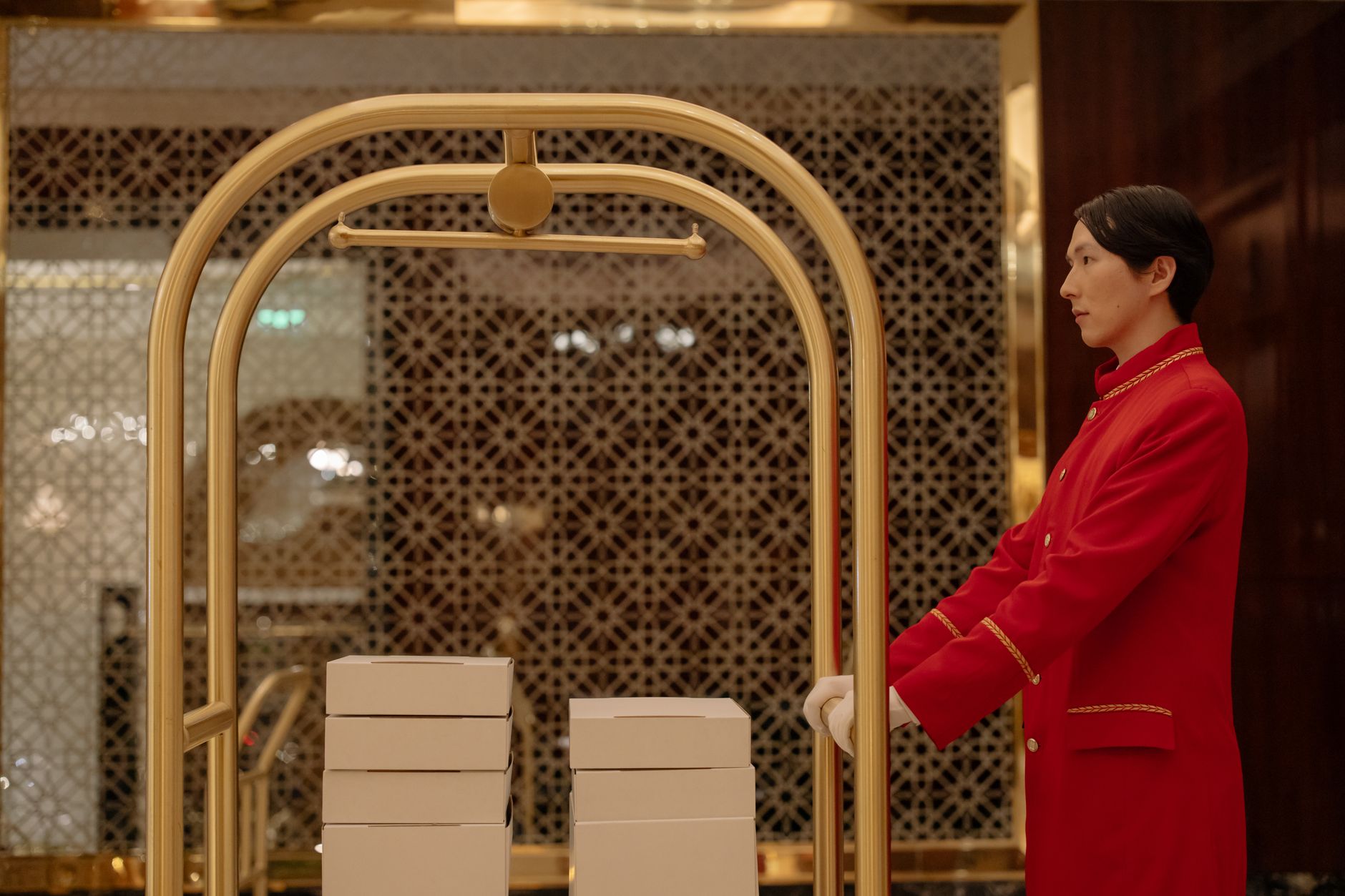
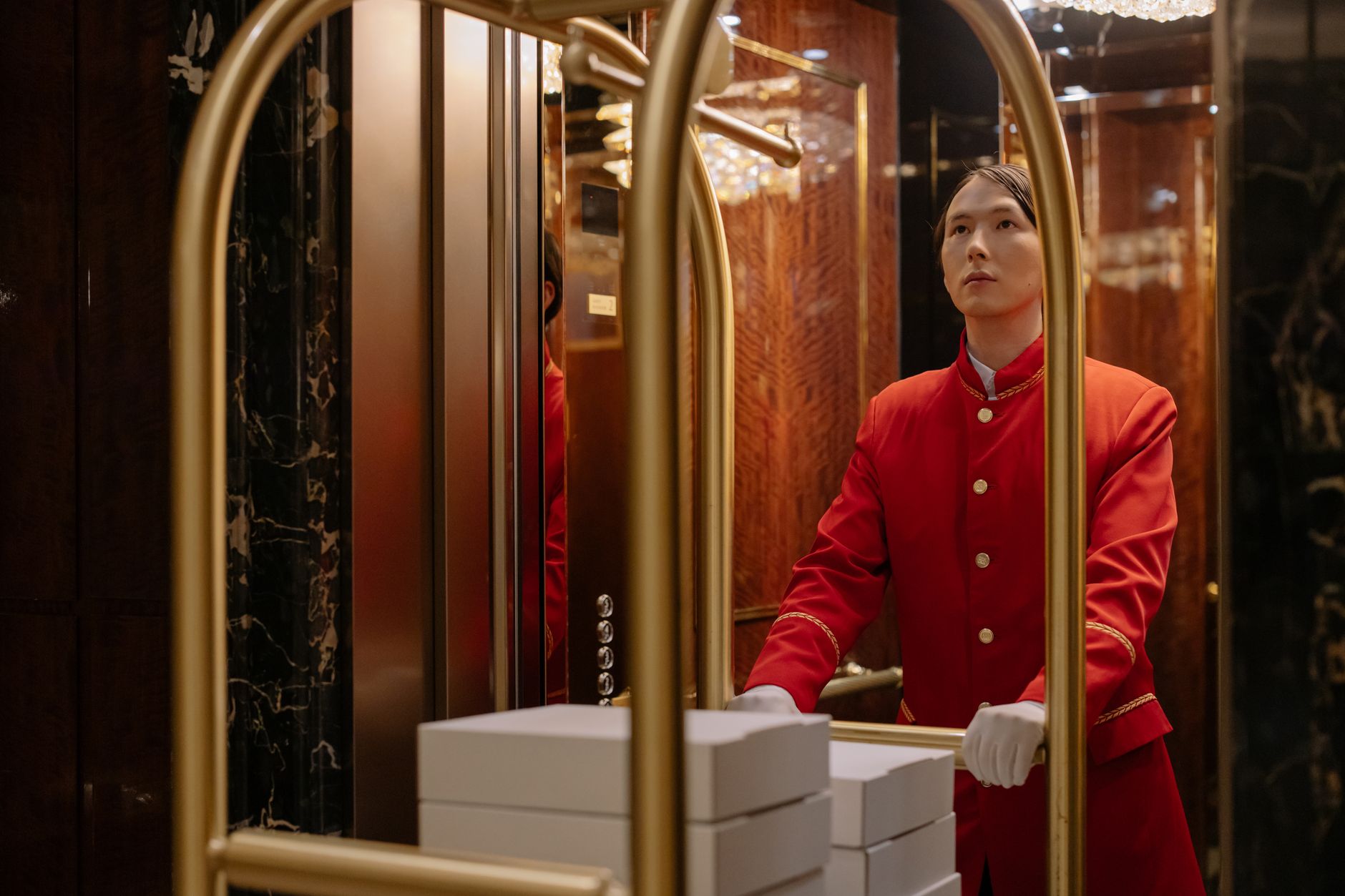
Five-star international properties (Marriott, Hyatt, IHG, Shangri-La, Four Seasons) that primarily serve international guests have staff who both understand and appreciate Western-style tipping:
- Bellhop/porter: ¥10–20 per bag
- Housekeeping: ¥20–50 per day, left in the room with a note specifying it is for housekeeping (otherwise it may be mistaken for something left behind)
- Concierge who secured a difficult reservation or provided extensive assistance: ¥50–200 depending on the favor
- Hotel restaurant at international properties: 10–15% if no service charge is listed on the bill
International and Western-Style Restaurants
Restaurants in Beijing's Sanlitun, Shanghai's Xintiandi and French Concession, and international hotel dining rooms that are designed primarily for foreign visitors increasingly have adopted tip culture. Check the bill for an existing service charge. If none is included and the service was attentive and the establishment is clearly international in orientation, 10% is appropriate and welcome.
The Service Charge Question
International hotels in China routinely add a 15% service charge to food and beverage bills. This charge goes to the hotel, not necessarily to individual staff — its distribution varies by property. If a service charge is listed on your bill, you have already tipped the establishment. An additional tip for exceptional service from a specific staff member is still welcome, particularly for the concierge or room service staff.
Local Chinese restaurants virtually never add a service charge. If you want to tip after excellent service at a locally-owned restaurant, leaving ¥20–50 for the server directly is the clearest way to communicate the intent — but expect some hesitation.
The broader etiquette context — what tipping communicates in Chinese culture, why it is not expected at most establishments — is part of the face and reciprocity framework covered in our China etiquette guide. For the dining experience itself — ordering, seating, chopstick rules, the bill ritual — our dining etiquette guide covers everything at the table.
Official planning references
Plan this with a China-based team
If this topic affects your route, timing, payment setup, dietary needs, or family logistics, tell us what kind of China trip you are considering. ChinaTourly can turn the research into a private itinerary with English-speaking support, local transport, and practical pre-trip preparation.
Frequently Asked Questions
Is this guide enough to plan Tipping in China: Where It's Expected, Where It Isn't on my own?
It can help you understand the basics, but travel in China often depends on timing, local rules, payment setup, language support, and transport logistics. For a private trip, we turn the guide into a day-by-day plan with local support.
When should I start planning a private China trip?
For a simple city route, two to three months is usually workable. For culture-heavy routes, heritage workshops, family travel, Tibet, Yunnan, or festival timing, three to six months gives more room to secure better guides and smoother logistics.
Can ChinaTourly customize this around my budget and travel style?
Yes. ChinaTourly designs private, tailor-made journeys for English-speaking travelers. We can adjust pace, hotels, guides, transport, food requirements, and cultural access around your party instead of forcing you into a fixed group itinerary.
Turn this into a real trip — we design private China journeys end to end.
Explore our signature private journeys → · Beijing Wall Walk + Hutong Deep →


