
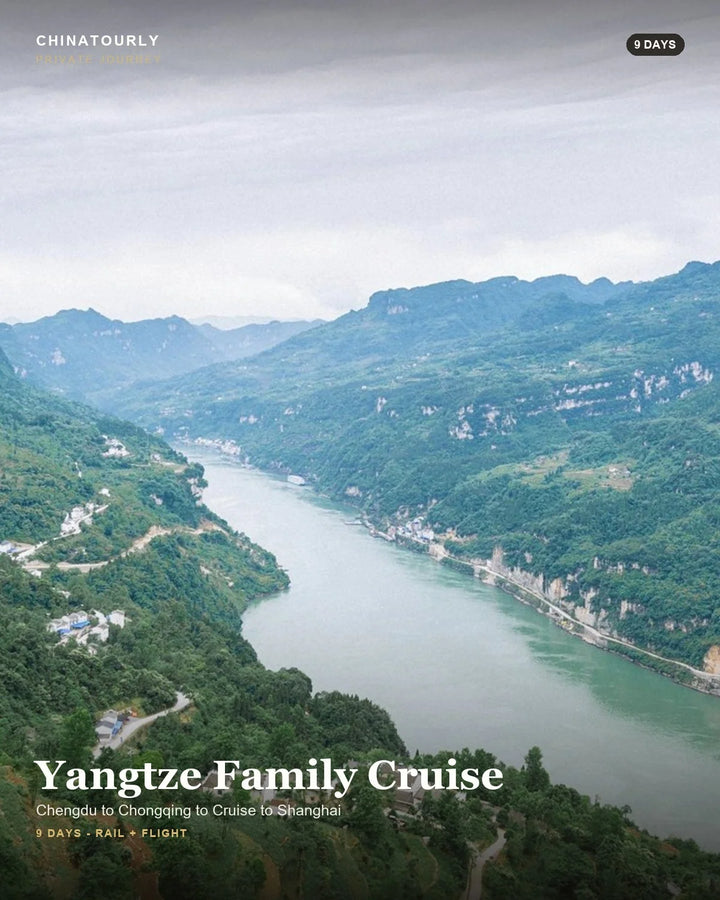
Yangtze Family Cruise
Chengdu · Chongqing · Shanghai — 9 days.
Private planning active for
Journey Name
Converted courtyard houses, restored teahouses, and historic buildings — where to stay in China with character.
A heritage-style stay can make a neighbourhood part of the journey, but an old-looking facade is not proof of a historic building, a protected designation or sensitive restoration. Look for a clear account of the property and judge the room on its practical merits too. Character is most rewarding when access, comfort and service work for the people travelling.
A siheyuan is a traditional courtyard-house form associated with Beijing. When comparing courtyard hotels, ask whether you are considering a converted historic residence, a reconstruction or a newer property using courtyard design. Those can offer different experiences; do not infer the building's age from carved doors or antique-style furniture.
Find out where the room sits in relation to the courtyard, reception and shared spaces. Ground-level accommodation is not automatically step-free: thresholds, uneven paving and bathroom steps can still matter. Ask about sound insulation, daylight, heating or cooling and bathroom ventilation. Confirm where a car can stop and how bags reach the entrance, particularly if you will arrive after dark or travel with someone who cannot comfortably walk through narrow lanes.
For a restored teahouse, merchant house or village guesthouse, consider the wider setting rather than the room photographs alone. A riverside lane may be lively late into the evening; a rural building may involve stairs, uneven paths or additional transfers. Ask what has actually been restored and which parts of the building guests can use.
Check the balance between atmosphere and everyday needs: hot water, ventilation, privacy, reception availability, reliable meals and a practical route to your next stop. If a tea tasting or cultural activity is part of the appeal, establish whether it is included, separately charged or subject to an advance booking. Do not assume that staying in a converted building provides private access to a historic site or an exclusive local encounter.
Request the exact room category and current photographs where a layout detail matters. Confirm the number of steps, lift access if any, bed arrangement, occupancy and whether an accessible route reaches both the room and breakfast area. Describe your requirements directly instead of relying on a heritage, boutique or luxury label.
Read cancellation terms and ask who handles a delayed arrival or a problem with the room. Confirm that the property can accommodate and check in your party with their travel documents. Keep its full address, contact details and arrival instructions offline. If the location adds a long drive to a short stay, compare a more convenient hotel and visit the historic neighbourhood separately; a special building should not make the rest of the route unworkable.
We match accommodation to the experience — not just the star rating.
No commitment. Response within 24 hours.
Chengdu · Chongqing · Shanghai — 9 days.

Chengdu · Xi'an · Beijing — 8 days.
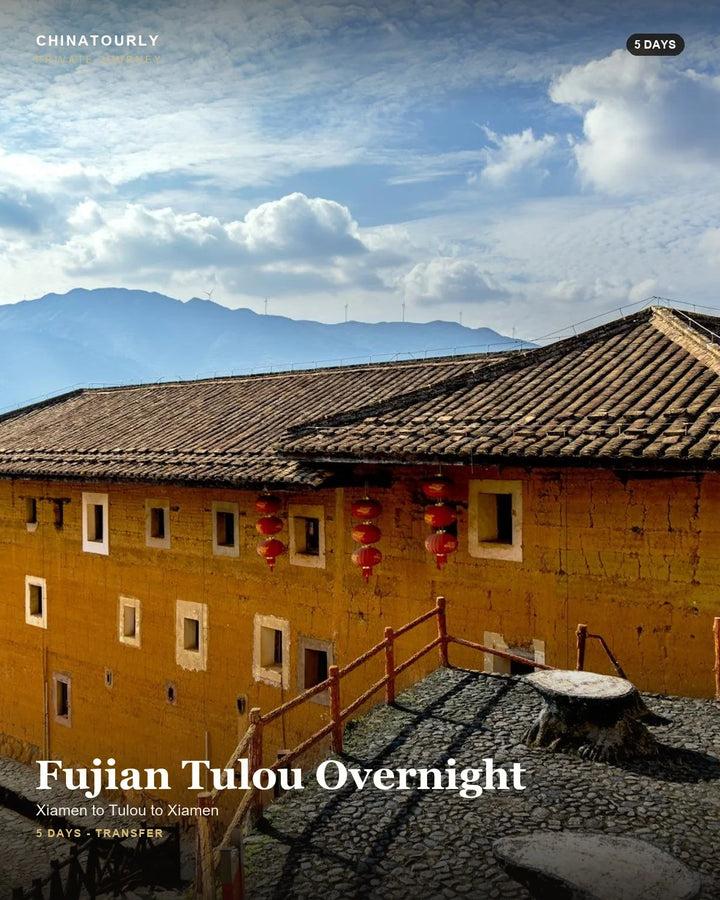
Xiamen — 5 days.

Plan a Zhangjiajie itinerary around distinct attractions, transfers and your walking pace, with room for weather changes and onward travel.
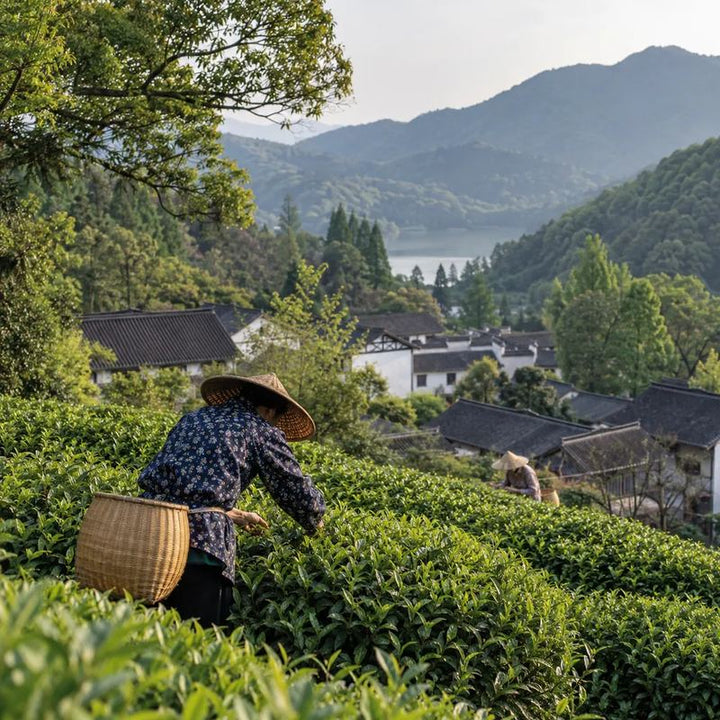
Plan a Hangzhou tea visit around tasting, landscapes or a confirmed activity. Learn what to ask about seasonality, optional purchases and accessibility.
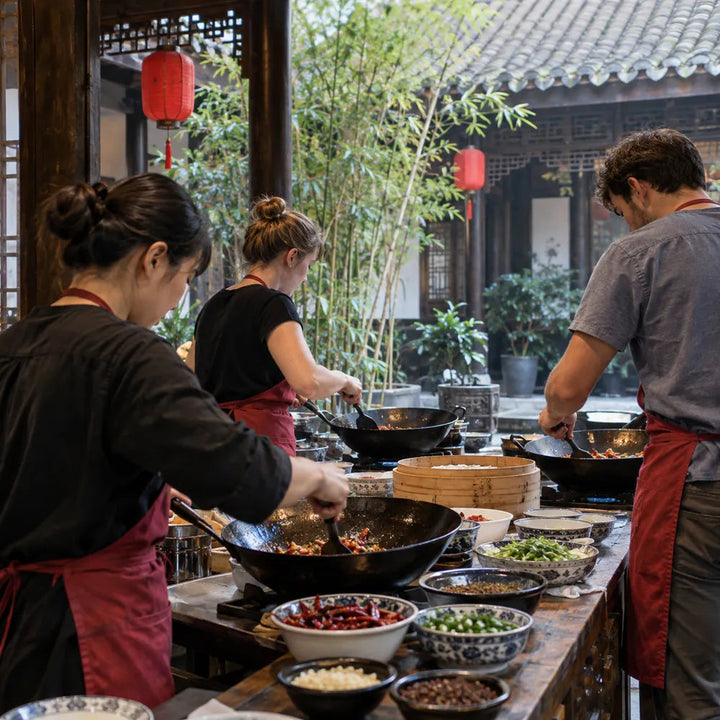
Compare Chengdu tasting walks, market visits and private meals, with practical questions about inclusions, dietary needs and walking before you book.
Private journeys through China, crafted by guides who have lived here for decades — we go where the crowd does not.
