Southwest China is several countries at once
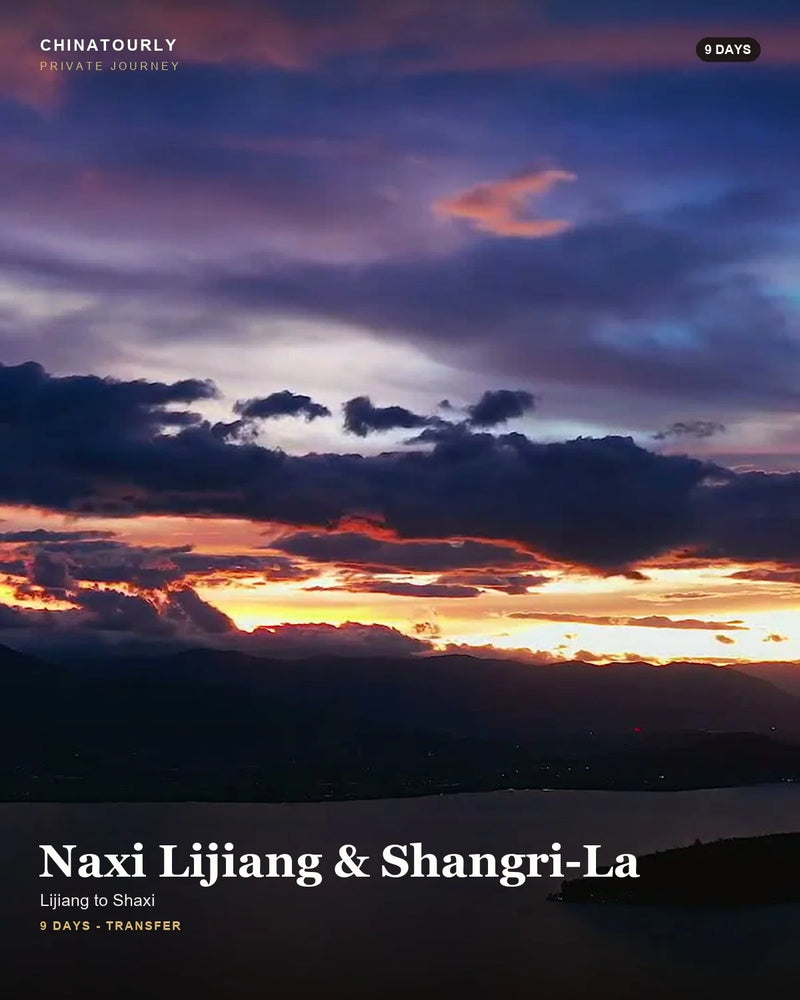
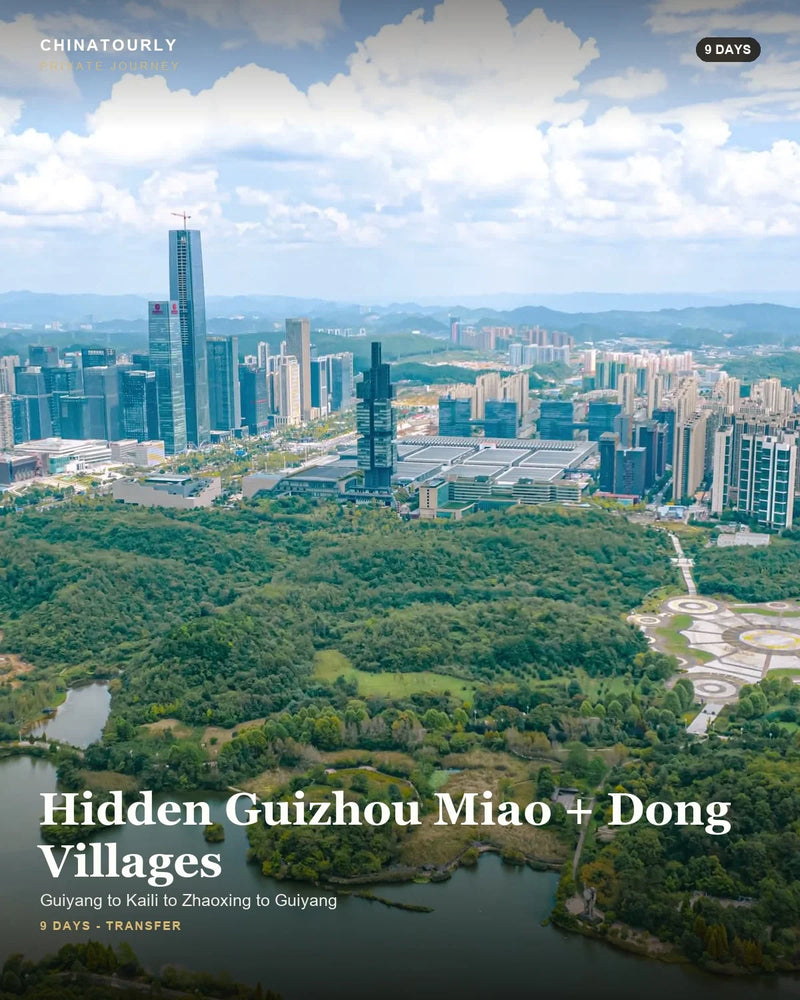
Geographically: Yunnan, Guizhou, Sichuan, Chongqing, Guangxi, and parts of Hunan. Culturally: it is more accurate to think of the Southwest as several distinct cultural zones — tropical Dai in Xishuangbanna, alpine Tibetan in Shangri-La, karst Zhuang in Longji, Sichuan plain cuisine in Chengdu, Miao silver tradition in Guizhou.
Most travellers come to the Southwest for one of three things: the landscapes, the ethnic minority cultures, or the food. All three rewards are real and largely independent of each other. A trip designed around any one of them is a satisfying trip.
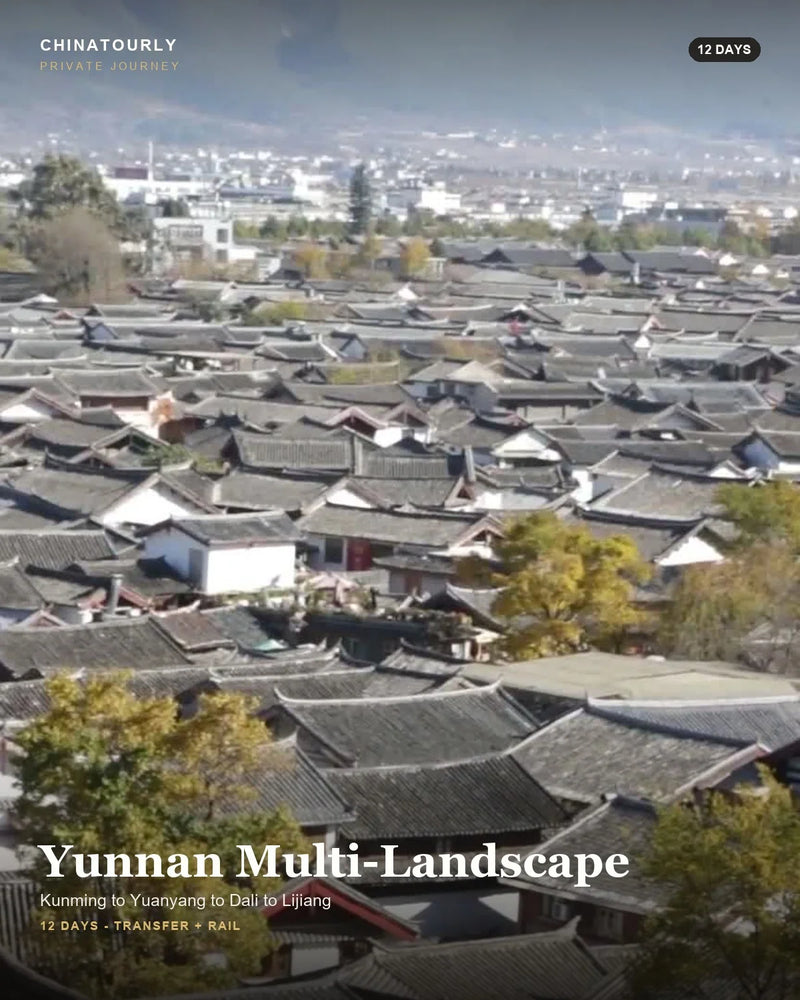
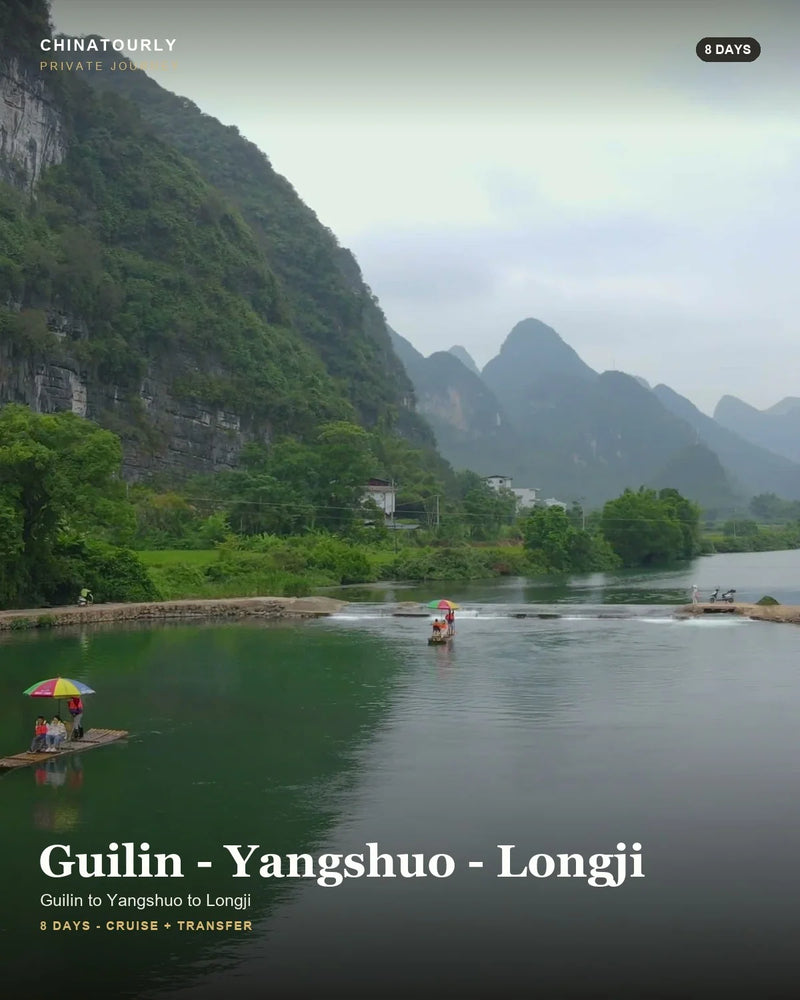
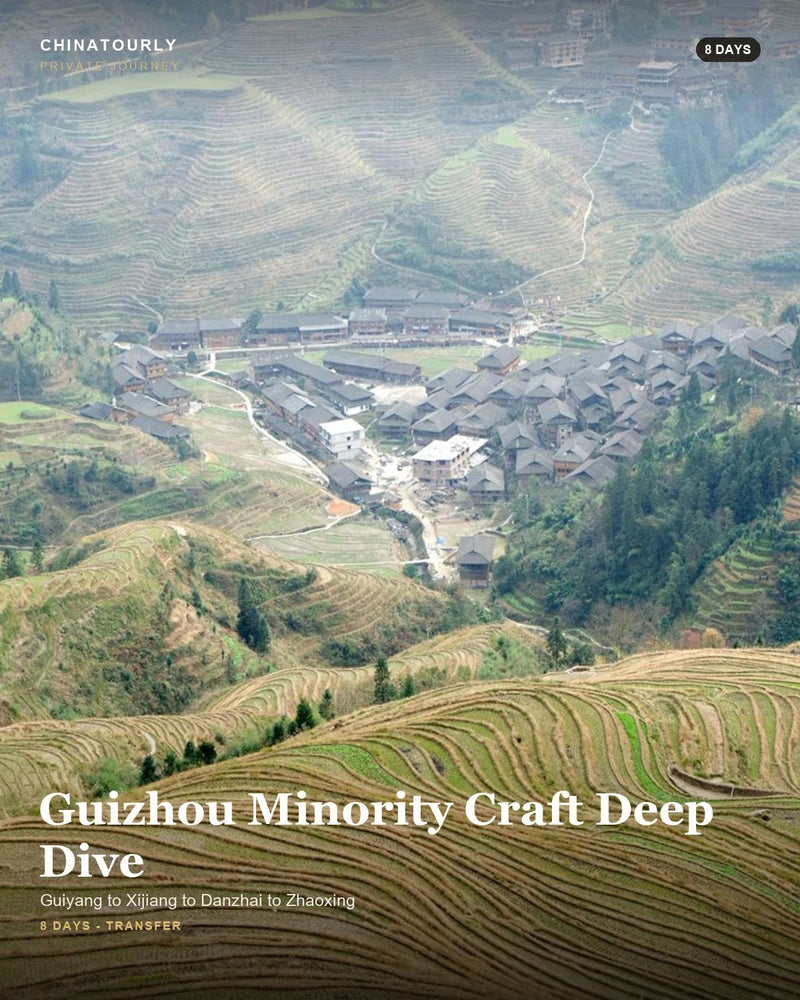
- Landscapes. Guilin's karst, Longji's terraces, Yuanyang's Hani rice fields, Jiuzhaigou's alpine valley, Meili's snow peaks, Tiger Leaping Gorge. Five distinct landscape types, all within a single province in some cases.
- Minority cultures. The Bai of Dali, the Naxi of Lijiang, the Dai of Xishuangbanna, the Hani of Yuanyang, the Miao and Dong of Guizhou, the Zhuang of Guangxi. Each has its own architecture, craft tradition, and seasonal calendar. We have established relationships with multiple master workshops across these communities.
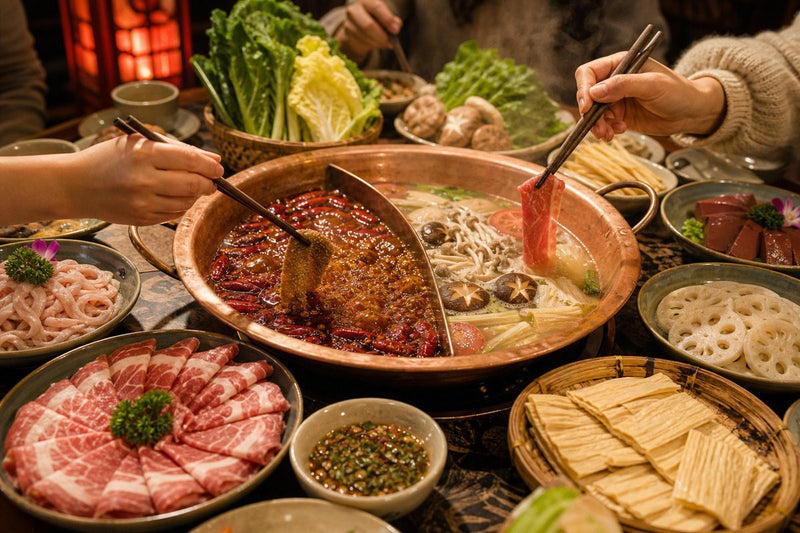
- Sichuan food. Chengdu is the capital of mala flavour philosophy and home of the Sichuan Higher Institute of Cuisine. The food culture extends into a serious tea-house tradition, late-night chuan'r grills, and one of the most distinctive regional cuisines in the world.
Practical caveats: distances between sub-regions are larger than in North or East China — a Kunming-Lijiang-Shangri-La progression covers 700 km. Internal flights are often more efficient than rail. Altitude rises north and west: Kunming sits at 1,890 m, Lijiang at 2,400 m, Shangri-La at 3,200 m. Build in acclimatisation if your itinerary climbs north.
A trip designed around any one of Southwest's three rewards is a satisfying trip.