Why East China rewards slow travel
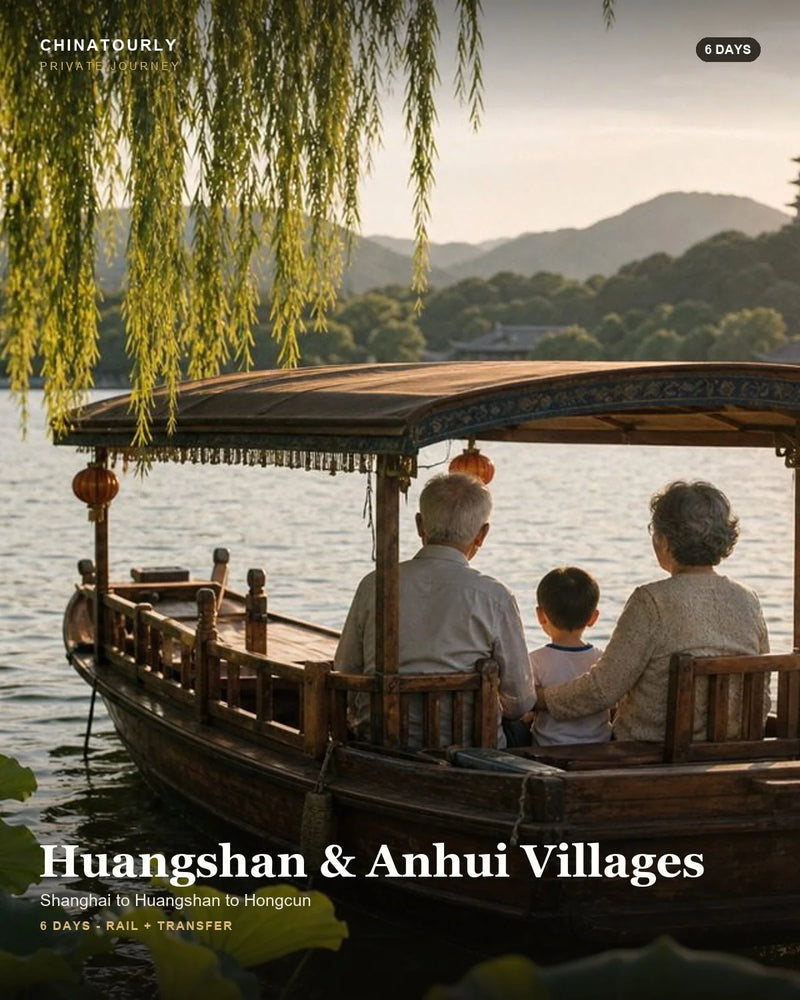
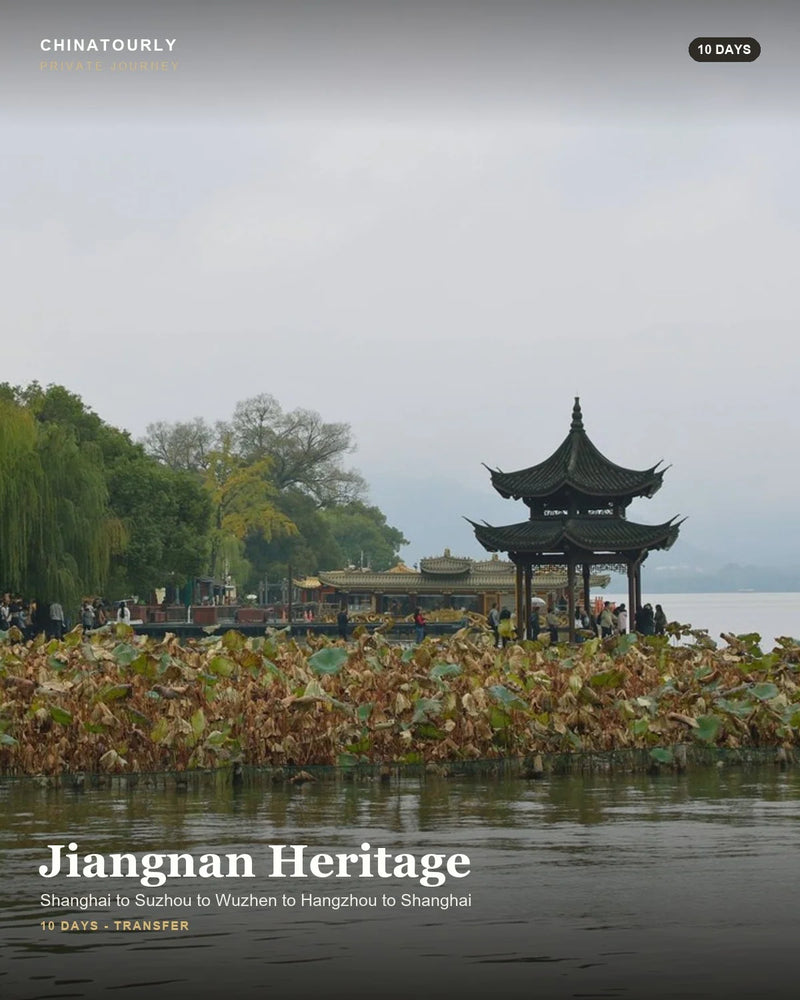
East China is dense. The classical gardens of Suzhou alone could occupy a week. Hangzhou's West Lake rewards multiple visits at different hours. Anhui's heritage villages outside Huangshan have been quietly maintained for 800 years. The travellers who get the most from this region come for atmosphere as much as for sights.
The Jiangnan region — Yangtze south of the river, spanning Jiangsu, Zhejiang, Shanghai, and parts of Anhui — produced the wealthiest civic culture in Chinese history. Song Dynasty Hangzhou (1127-1279) was the capital of the largest and most commercially developed economy in the world. Ming Dynasty Suzhou's silk weaving employed tens of thousands of urban workers and exported to every Chinese capital. The classical gardens of Suzhou (nine UNESCO-listed) are physical manifestations of the scholar-official aesthetic philosophy.
What this region does best:
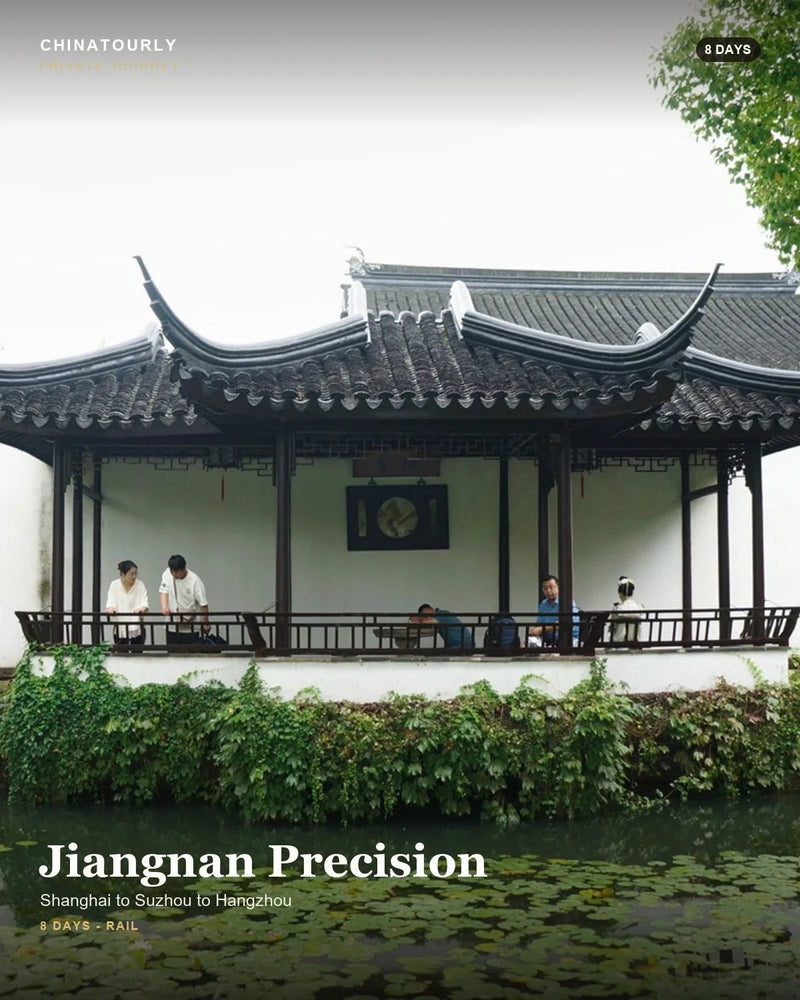
- Classical gardens, alive. Suzhou's Master of the Nets, Humble Administrator's, Lingering Garden are not museums — they are working gardens with seasonal plant rotations and tea pavilions still open to visitors.
- Jiangnan cuisine at origin. Suzhou's Songshu Mandarin Fish, Hangzhou's Beggar's Chicken, Yangzhou's stir-fried river shrimp, Wuxi's pork ribs — each city has its own canonical dishes and you taste them at the kitchens that defined them.
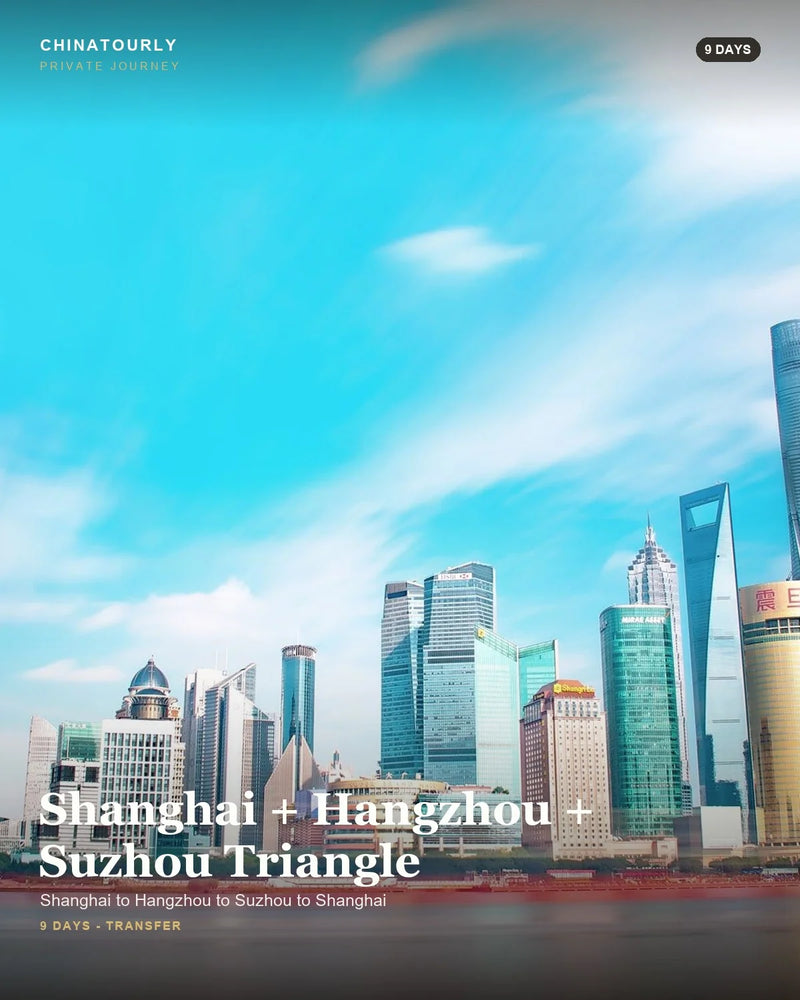
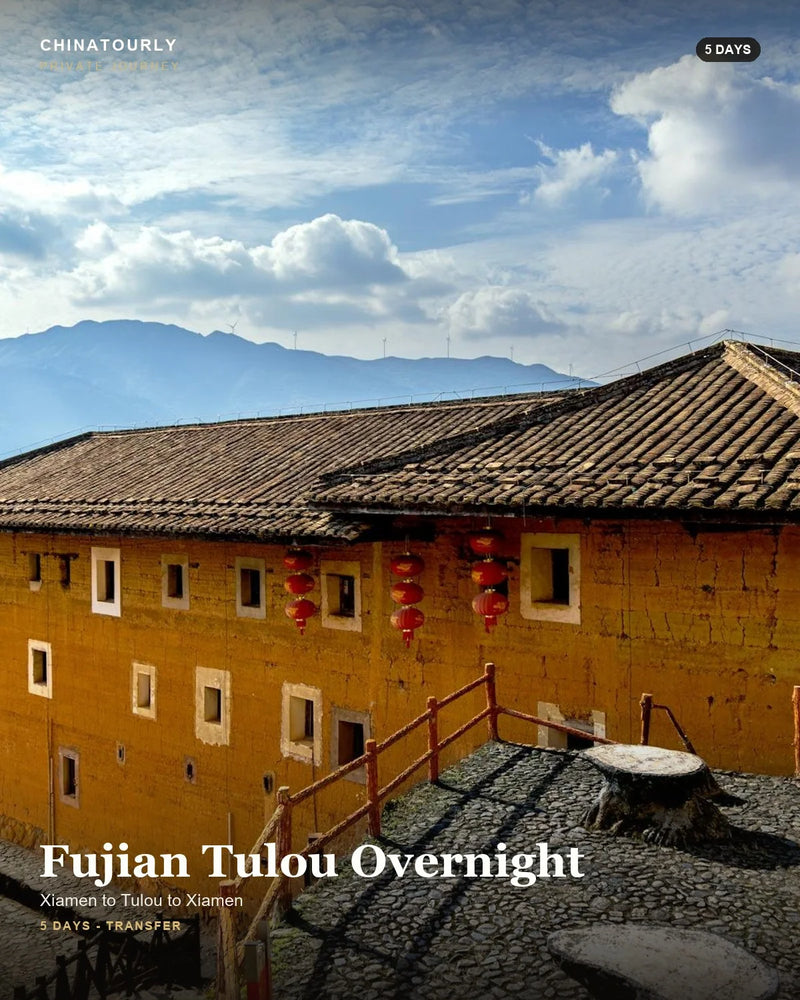
- Architectural mixing. Shanghai's Bund, French Concession longtangs, the Suzhou silk merchant courtyards, Anhui's white-washed Hui-style villages, Fujian's Hakka tulou — five very different building cultures in one region.
The natural pace is slow. Most travellers underestimate how much they will want to linger in a single garden. We design itineraries around this honestly — fewer sites per day, more time at each, with built-in tea pavilion afternoons.
Most travellers underestimate how much they will want to linger in a single garden.